
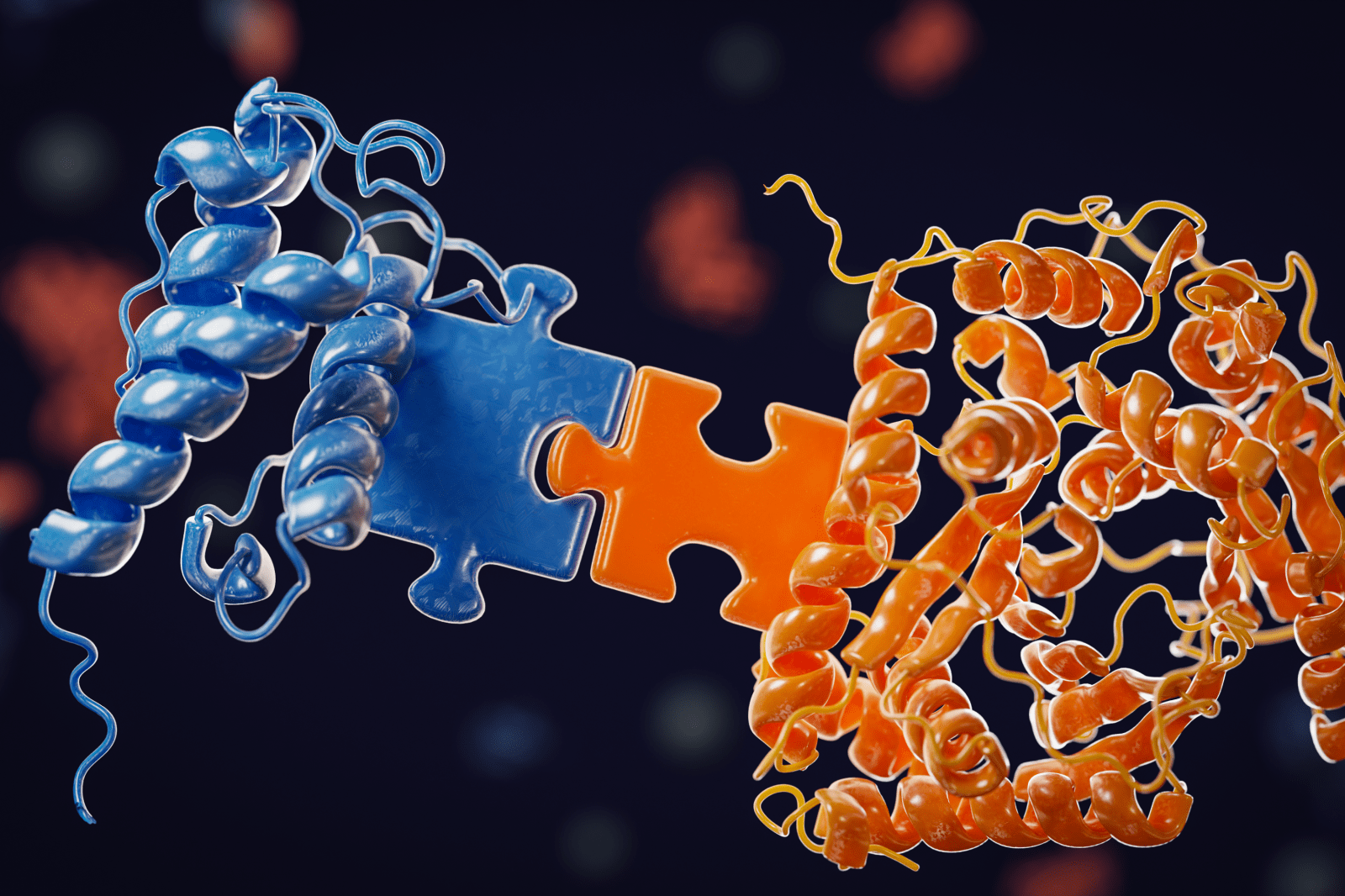
Researchers have made a significant discovery in understanding how bacteria construct cancer-fighting compounds. This breakthrough, detailed in Nature Communications, could accelerate the development of new cancer treatments. The study explains how enzyme systems connect to create HDAC inhibitors. These inhibitors disrupt the growth of cancer cells.
Dr. Munro Passmore from the University of Warwick highlighted the potential impact of the discovery. He stated, “This finding may speed up the creation of drug candidate libraries and allow promising ones to be produced cost-effectively.” He noted, however, that it remains a lengthy journey to bring these therapies to patients. “Even the most promising candidates must undergo preclinical testing, optimization, and clinical evaluation. This process can take up to ten years and often costs over $1 billion,” Passmore explained.
The HDAC inhibitor class includes romidepsin, which is already used to treat certain blood cancers. While scientists have long known that bacteria produce similar but slightly varied compounds, the details of these variations were unclear. The core of this research revolves around combinatorial biosynthesis, where bacteria create related molecules by reusing biochemical components.
Bacteria use enzyme complexes acting like assembly lines to produce complex compounds, including significant medical molecules. Two primary systems, polyketide synthases (PKSs) and nonribosomal peptide synthetases (NRPSs), combine chemical elements to form compounds such as antibiotics and cancer drugs.
The study examined a hybrid of these systems that produces depsipeptide HDAC inhibitors. These inhibitors have a consistent core structure but vary in an attached peptide section, impacting their interaction with targets. Researchers discovered the enzyme systems connect through “docking” interactions, enabling the creation of new drug-like compounds.
The team identified how enzymes recognize and bind, highlighting a critical β-hairpin docking domain. This domain allows enzyme systems to interact and pass molecules along an “assembly line.” Disrupting this interaction stops the target compound’s production, demonstrating its significance.
The study also revealed that enzyme systems from different pathways could interact, offering flexibility to develop new molecules. Professor Greg Challis from the University of Warwick emphasized this flexibility in treating difficult-to-treat cancers. “Initial data suggest this drug class could be effective against cancers resistant to current treatments,” he noted.
By utilizing the “mix-and-match” mechanism in laboratories, scientists can discover new drug class members with promising clinical potential. Enhanced production will facilitate their preclinical and clinical examination.