
As the colder months approach and heating demands rise, energy prices are climbing, and the conflict in Iran is being linked to this surge. While the war affects timing, it doesn’t explain why the United States remains vulnerable despite producing significant amounts of oil and gas. Global oil markets are interconnected, causing crises in one region to impact prices globally.
However, a deeper issue lies within state-level policies that restrict full utilization of domestic energy resources. The U.S. faces a shortage of refineries, with only 130 currently operable compared to 301 in 1982. Notably, no major refinery has been built since 1976. The Northeast experienced a significant impact when the Philadelphia Energy Solutions plant closed, reducing output by approximately 335,000 barrels per day.
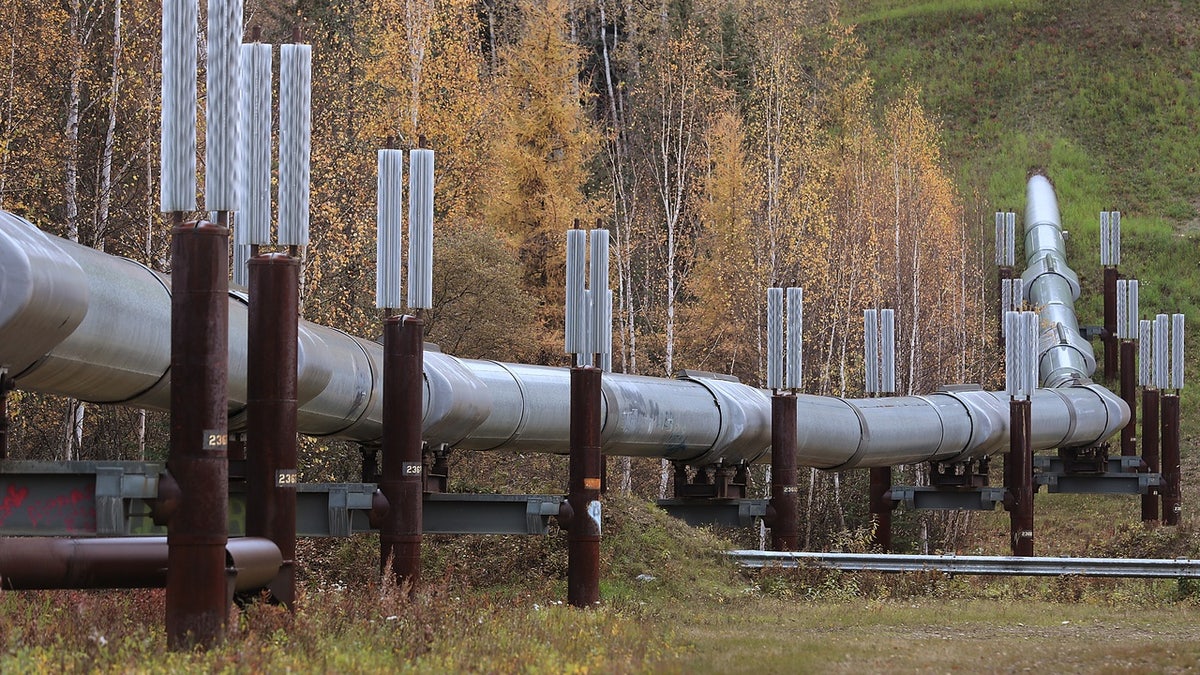
In states like New York, self-imposed supply problems further exacerbate the situation. New York has blocked essential natural gas pipelines, such as the Constitution Pipeline, which would have transported gas from Pennsylvania—a state with some of the richest gas fields in the nation—to New York. This pipeline, initially proposed over a decade ago, faced significant legal and regulatory challenges, ultimately leading to the project’s abandonment.
Misguided climate legislation poses another challenge, setting ambitious but potentially unrealistic emissions targets. New York City’s Local Law 97, for instance, fines large buildings that exceed emissions limits, imposing costly retrofits or penalties on owners. These financial burdens eventually fall on tenants, co-op owners, and small businesses.
State policies often prioritize climate targets over maintaining reliable and affordable energy sources. The shutdown of nuclear reactors and coal plants has reduced energy options, impacting lower-income families who depend on cost-effective solutions. As utility and fuel costs rise, transportation sectors face soaring diesel prices, which increase the cost of goods like lumber and food.
I’ve witnessed firsthand how energy affects daily life; it’s tangible, involving infrastructure like pipes, wires, and steel. Restricting supply while demand persists unavoidably pushes prices higher. On the coldest days, when demand peaks, utilities are forced to seek alternative and expensive options. Families with fixed incomes struggle, resorting to lowering thermostats and adding layers to stay warm.
States unwilling to produce or import energy don’t gain independence; they become dependent on global markets, paying prices influenced by conflicts beyond their control. Constructing essential infrastructure like pipelines and maintaining reliable power plants until effective replacements are ready is crucial for energy security. Realistic climate mandates should be phased in gradually to ensure affordability for working families.
Success should be measured by achieving lower bills and stable supplies, not by symbolic achievements. This November, it’s vital to vote for candidates supporting American energy independence, advocating for prudent expansion of production and refinement of domestic resources.