
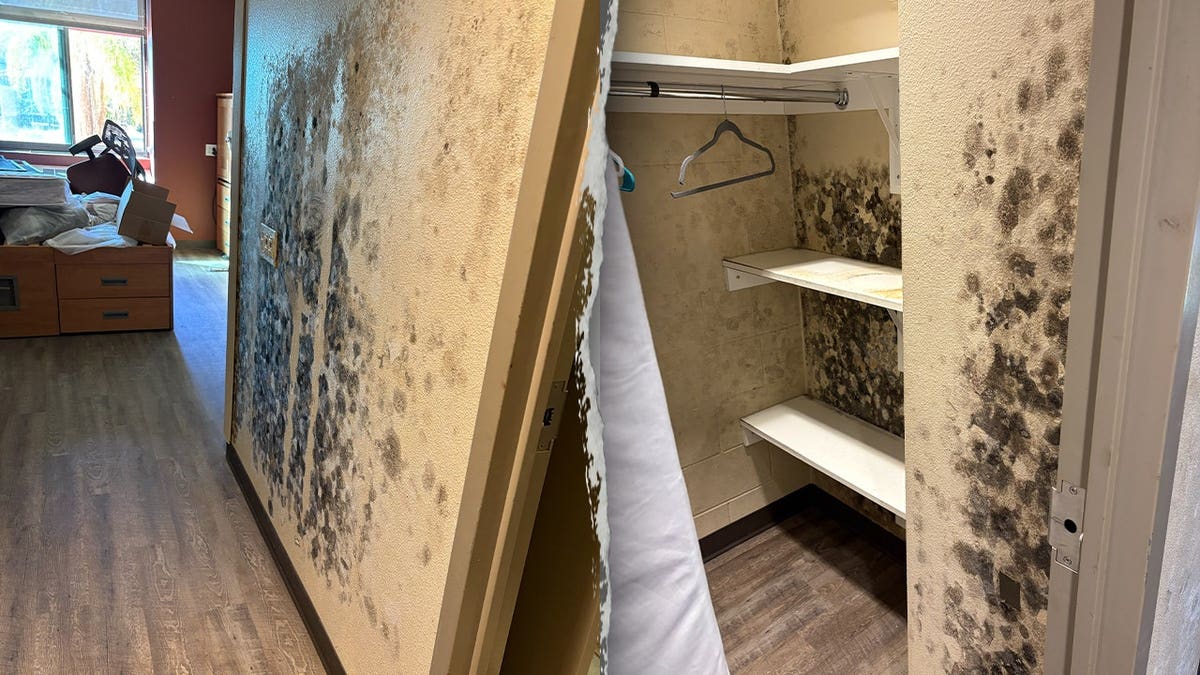
Some military personnel have endured a year without hot water. Others sleep in their cars to avoid barracks lacking air conditioning. Some seek basic tools to make their own repairs. These conditions are reported by Medal of Honor recipient Dakota Meyer, who is on a mission to overhaul the neglected barracks system.
Meyer’s Barracks Task Force Mission
Meyer serves as a senior adviser to the Pentagon’s Barracks Task Force. He has visited over eight military installations and plans to see 30 by year’s end. His initial expectations of a professional assignment quickly turned personal. In one example, a young service member expressed her wish for a hot shower, which Meyer described as “absolutely heartbreaking.”
Extensive Problems and Long-standing Neglect
Issues with military barracks are not new. A 2023 Government Accountability Office investigation highlighted severe health and safety hazards. The department lacked reliable data on barracks conditions and oversight. In response, billions are now committed to improvements. Initiatives include the Marine Corps’ “Barracks 2030” and a Navy housing overhaul, yet serious problems persist. Many of the GAO’s recommendations remain incomplete.
Centralizing and Accelerating Improvements
War Secretary Pete Hegseth aimed to centralize and expedite improvements with a department-wide task force. Meyer stated the secretary demanded action and fixes, not just observations or studies. Meyer requested an “authoritative role” for the task force, enabling decisive action and control over funding to impact service members directly. A watchdog review identified a $285 billion maintenance backlog in military facilities, highlighting broader challenges.
The Challenge of Bureaucracy and Funding
Meyer noted bureaucracy and contracting rules exacerbate maintenance delays. Funding shortfalls and political struggles over defense appropriations compound issues. Currently, interim funding is provided under a continuing resolution, awaiting a broader budget agreement. Meyer emphasized that progress should be measured by tangible improvements, not financial commitments. Service members need real enhancements in living conditions, a sentiment he gathered by directly engaging with them.
Service Members’ Basic Requests
From his conversations, Meyer highlighted the simple needs of troops. They want functional showers, laundry facilities, secure doors, mold-free environments, and adequate lighting. Many are ready to contribute to solutions but need systemic changes. Installation commanders, Meyer argued, often seek to help but lack the resources to enact changes effectively.
Pentagon’s Historical Oversight Failures
Meyer criticized past Pentagon leadership, noting that previous investments and reforms did not yield sufficient living condition improvements. He pointed out that historically, being overlooked as a priority often led to the situation service members face today.
Hegseth’s Commitment to Barracks Overhaul
Hegseth has prioritized barracks improvements, with Meyer acknowledging the secretary’s genuine concern. Meyer takes personal responsibility for the task force’s success. He aims to ensure living conditions meet a standard he would accept for his own family. This straightforward measure aligns with Hegseth’s focus on prioritizing people over processes.