
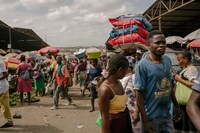
At Catinton Market in Luanda, Angola, vendors sell produce under the harsh sun. The hustle and bustle distance from the U.S.-Israeli conflict with Iran feels far, yet its effects are deeply felt in this city.
Angola, a significant player in oil production, is not a typical global supplier. It bypasses the Strait of Hormuz, so rising food, fuel, and fertilizer costs primarily hit the poor, while the elite benefit from increased reliance on Angolan oil.
Inflation’s Grip on Vendors
Veronica Simon, 35, and Isabelle Ferreira, 31, are among the market vendors facing the financial squeeze. Selling bright red peppers, they struggle to pay their children’s school fees. Since February, the wholesale price of peppers has quadrupled, yet they remain unaware of the war’s direct impact.
“It is not enough, but what can we do?” Simon says. “We have no other options.”
The conflict’s economic ripple effect has hit developing nations hard, increasing global economic uncertainty. Economist Arsénio Bumba notes that import costs have surged, disproportionately affecting the poorest households worldwide.
Oil Wealth vs. Public Hardship
Angola’s government benefits financially as the oil price rises. According to the World Bank, oil constitutes 30% of GDP, 65% of government revenue, and more than 95% of exports. The expected oil price in the 2026 budget was $61 per barrel, while Brent crude currently stands at $87.
With new revenue, officials are addressing debt, setting aside food and medicine reserves, and managing inflation. However, these actions have not alleviated struggles for vendors like Jucy Manuel, who sells peanuts. Rising prices force her to cut back on cooking and strain to feed her children.
Longstanding Challenges and Government Response
Frustration over corruption and neglect by the political elite remains high, particularly in areas like Bairro da Lixeira, where families languish in poor conditions. Eva Damiao, 82, relies heavily on her grandchildren.
Despite increased national revenue, little hope exists that these windfalls will trickle down. Joveth Hebo, a 33-year-old who once hoped to become a lawyer, sees the extra money as a benefit only to the elite.
“Despite the fact that they have more money, prices are going up. All Africans are suffering,” Hebo observes.
He and his friends search through trash for items to sell, doubting whether they will see change from increased government revenues.
The reality for many Angolans remains grim, with high living costs and limited government intervention reaching those who need it most.