
Boon-dee-BOO-joh. This name, associated with a unique type of Ebola virus, originates from Bundibugyo, a mountainous district in western Uganda. Despite its picturesque landscape, finding it on a map can be challenging, even for locals. The district is home to around 200,000 residents, many of whom are cocoa farmers navigating the steep terrain bordering Congo.
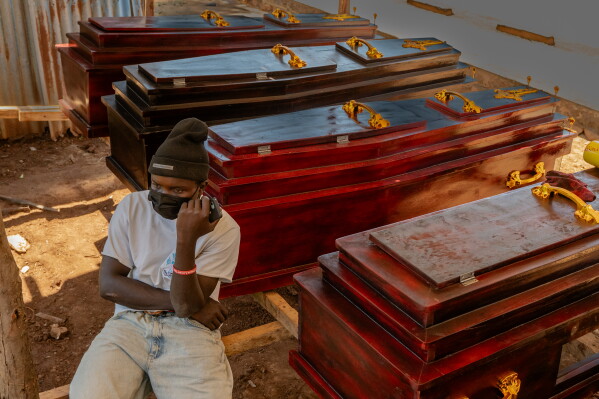
The region received unfavorable attention due to its link to the Ebola outbreak infecting hundreds in eastern Congo. There have been 160 suspected Ebola-related deaths across two provinces.
Virus Discovery in 2007
In 2007, the Bundibugyo district was tied to an Ebola outbreak, marking the identification of a new Ebola species. This outbreak was not related to the Sudan virus or the Zaire virus. First discovered in a remote area of Uganda in November 2007, this virus species, named Bundibugyo, continues to concern researchers.
The 2007 outbreak resulted in at least 37 deaths but was contained by year-end. Another minor outbreak occurred in 2012 in northeast Congo. Early identification of cases facilitated swift public health responses, as noted by Dr. Tom Ksiazek, a virologist from the University of Texas Medical Branch.
Uganda and the Name Controversy
Despite no current Ebola cases in Bundibugyo, its association with the virus upsets many Ugandans. Government spokesman Alan Kasujja has urged health authorities to clarify that Uganda is not the outbreak’s epicenter, stating, “Bundibugyo is too beautiful to be the name of a disease.”
The World Health Organization names viruses based on geographical origins, a practice criticized for stigmatizing communities. Ugandan authorities, experienced with past Ebola outbreaks, emphasize the absence of Ebola within the country.
Cases Linked to Congo
Uganda reported five cases tied to the Congo outbreak. Among them was a 59-year-old Congolese man who died shortly after hospitalization in Kampala. Two Ugandan nationals, a driver, and a health worker were exposed to this patient and tested positive. Additionally, two Congolese women sought medical assistance in Uganda before Congo declared the outbreak.
President Yoweri Museveni highlighted the outbreak’s location on “the Congo side” and called for measures to combat the perception of Ebola spreading in Uganda. He advised against handshaking and postponed a religious event attracting pilgrims from Congo and beyond. Other measures included halting public transport and flights between Congo and Uganda.
The Importance of Cross-Border Surveillance
With high risks from cross-border commerce, Dr. Emmanuel Batiibwe emphasizes enhanced surveillance at entry points to prevent the virus from spreading into Uganda. Uganda has faced several Ebola outbreaks, including a 2000 outbreak that resulted in over 200 deaths.
Healthcare strategies involve contact tracing and isolation, crucial in controlling virus spread, along with equipping healthcare workers adequately. According to WHO, a family of fruit bats is considered the natural host of Ebola viruses, which spread through contact with infected bodily fluids or contaminated materials.