
Introduction to Durham’s HEART Program
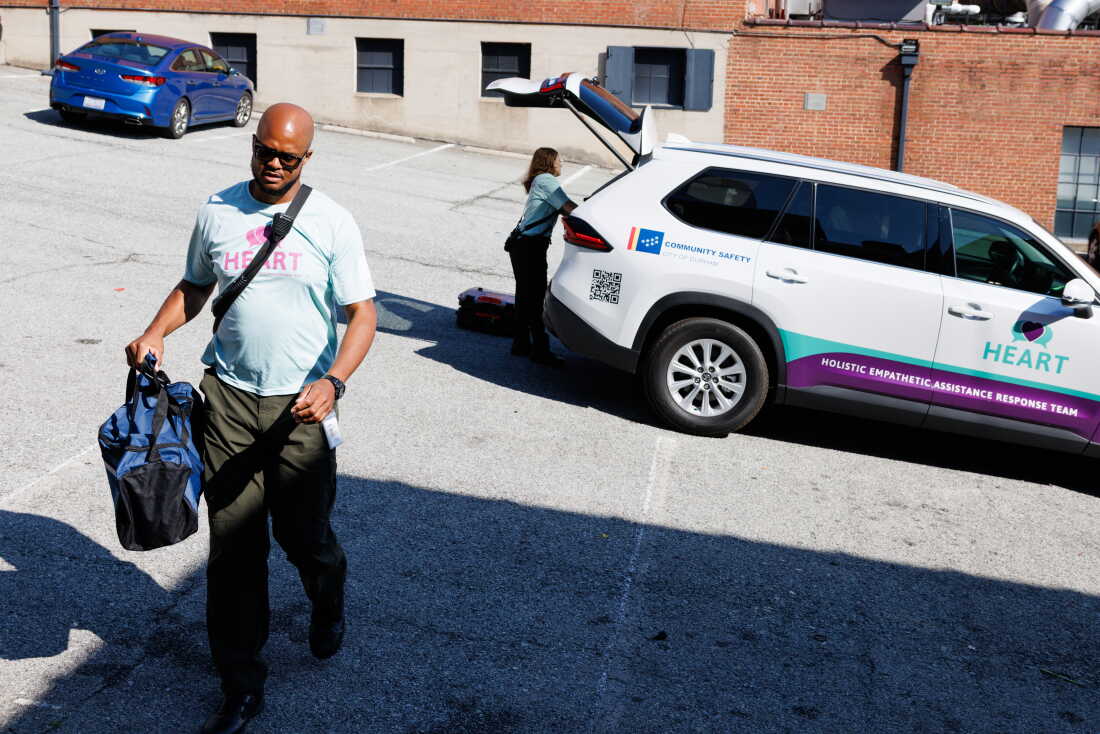
Rob Crisp, a peer support specialist with the Holistic Empathetic Assistance Response Team (HEART), recently answered a call for a wellness check in a parking lot in Durham, N.C. On that day, Crisp and Allie Craft were prepared with snacks, bottled water, and hygiene kits, working as part of Durham’s unarmed community response team. They aimed to assist a man causing concern for a nearby business, having been reported as a trespasser.
When Crisp and Craft arrived, they approached the man, who appeared tense. Crisp, with his background overcoming drug addiction, could empathize with him and helped diffuse the situation. He offered the man basic supplies and reassured him of his intentions, allowing them to move his belongings to a nearby lot. Although not a permanent solution, it resolved the immediate issue peacefully.
Rise of Community Response Programs
Five years ago, situations like this would likely have involved the police. However, after the police killing of George Floyd in 2020, cities began to reassess the necessity of armed officers for certain calls. By 2020, only six such programs existed to send unarmed responders, like mental health clinicians, to some 911 calls. Today, almost 100 cities employ these alternative or community response strategies.
Durham’s HEART program, launched in 2022, answers more than 25,000 calls citywide. This program includes a co-response team pairing mental health clinicians with police and a clinician integrated into the 911 call center. Ryan Smith, director of the Durham Community Safety Department, emphasizes that sending the right type of responder can be effective. Research indicates growing public trust, fewer arrests, and positive feedback from police as results of the program.
Challenges and Acceptance
Initially, Durham’s police had concerns about HEART’s approach, fearing for the safety of unarmed responders and potential political repercussions. Over time, HEART has become a respected part of the city’s emergency response system, sharing radio channels with the police, fire, and EMS for seamless operations. This integration has helped demonstrate HEART’s role in public safety.
Evaluating Alternative Response Programs
Some cities have faced challenges implementing similar programs, as seen in New York and Baltimore, where fatal police shootings highlighted program limitations. Researchers suggest measuring success by call volume handled per capita, like Durham’s HEART addressing 28 calls per 1,000 residents. Yet, experts caution that call volume is not indicative of the quality of service provided.
Funding limitations and narrow focus on mental health crises can restrict programs from handling diverse calls. Calls regarding panhandling or loitering may hint more complex issues than surface-level descriptions suggest. Durham’s team responds to various call types including trespassing, intoxication, and welfare checks, illustrating its broad scope.
Expanding Scope to Address Root Causes
During a recent call, HEART responders assisted Brittney, seeking new housing due to safety concerns. Unfortunately, the immediate solution offered was a homeless shelter, which she declined. Calls about housing and homelessness are common in community response efforts, highlighting resource limitations.
Anise Vance, leading Durham’s Stabilization Services division, aims to connect individuals with essential resources post-crisis, addressing deeper needs like housing and health care. It remains uncertain if this extension of services will succeed, but it reflects a vision for reducing dependency on 911 for emergencies.