
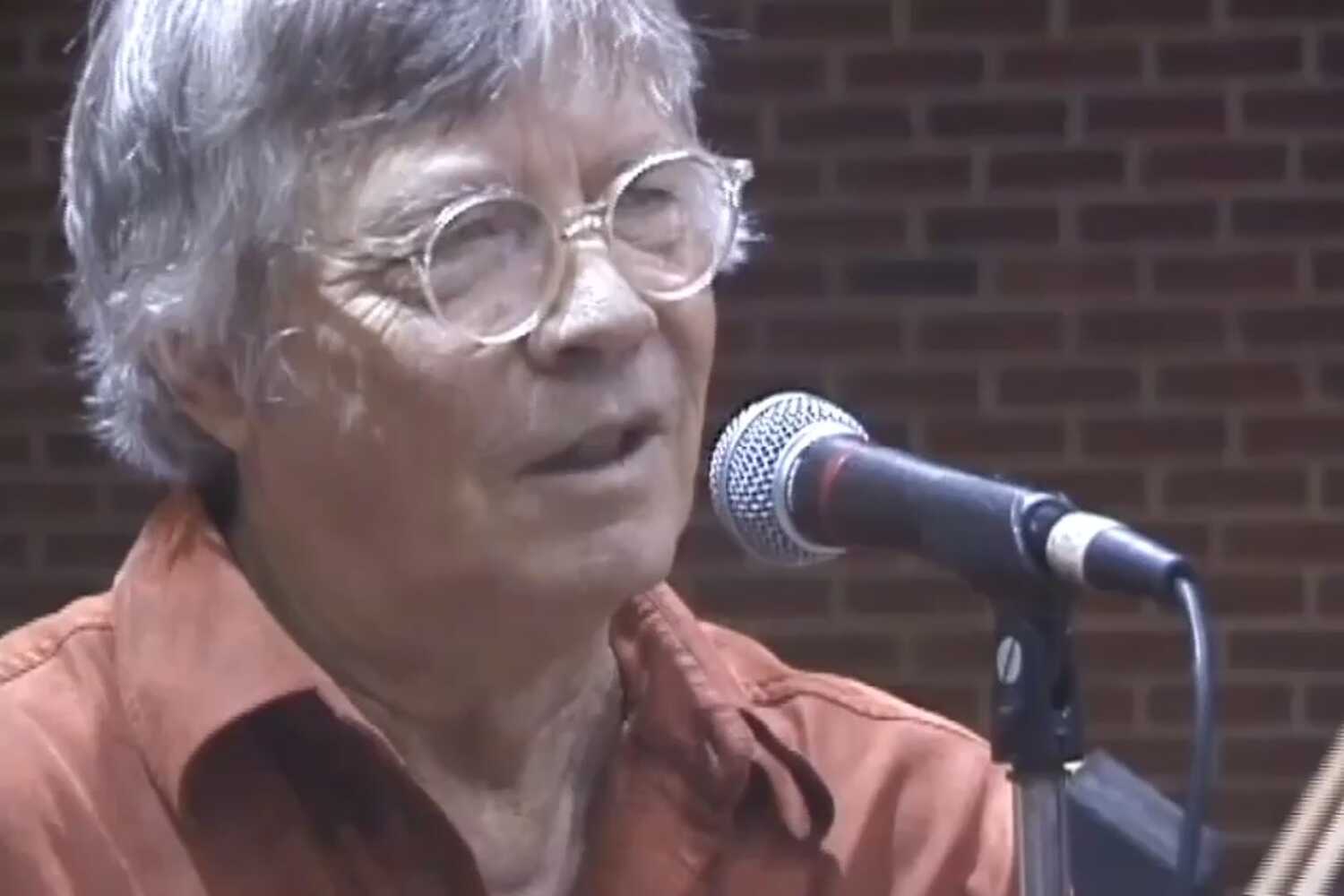
Dudley Laufman, a farmer, poet, and musician, played a key role in reviving traditional New England folk dancing during the 1960s and ’70s. He passed away on July 13 at his self-built cabin in Canterbury, N.H., at the age of 95, as confirmed by his daughter Heidi Eide.
Revival of Contra Dancing
Laufman was renowned for calling contra dances, a dance style similar to square dancing where partners face each other. Accompanied by a band with fiddles, accordions, and other instruments, the caller guides the dancers’ moves in time with the music.
Contra dancing has European roots and first appeared in the United States in the late 18th century, mainly in farming communities. By the 1950s, when Laufman began calling these dances, the tradition was nearly extinct.
Appeal to Counterculture
Laufman injected a vibrant energy into contra dancing, attracting those involved in the back-to-the-land movement of the ’50s, aligning with the spirit of the ’60s hippies. With his sturdy build from years on dairy farms and his long hair, he became an iconic figure, reminiscent of his hero, Scottish poet Robert Burns.
Newport Folk Festival
He gained significant attention after bringing musicians and dancers to the Newport Folk Festival in 1965. That year was notable for Bob Dylan’s controversial electric performance. Laufman and his group captivated around 16,000 attendees, spreading awareness of this classic, yet revitalized dance form.