
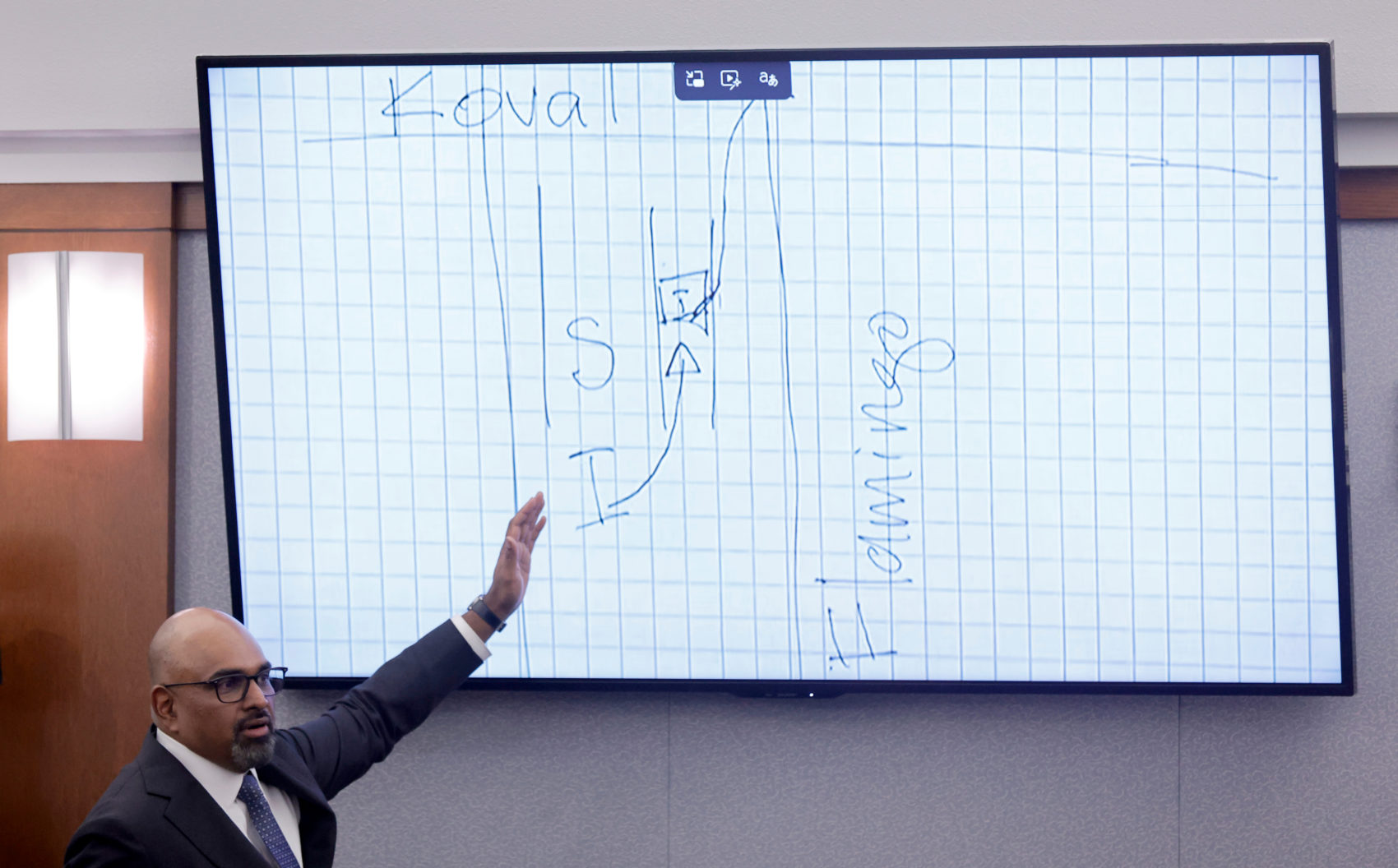
A trial in the murder of Tupac Shakur reached a pivotal moment as prosecutors urged jurors to convict Duane “Keffe D” Davis of first-degree murder. They argued that his own statements and substantial circumstantial evidence demonstrate his role in organizing the drive-by shooting that occurred in 1996. Chief Deputy District Attorney Binu Palal emphasized that Davis acquired a firearm and sought out Shakur and Death Row Records co-founder Marion “Suge” Knight after an altercation involving Davis’ nephew earlier that evening.
Palal addressed the evolution of Davis’ accounts over the years, suggesting the changes were due to shifting motivations and self-preservation efforts. However, a consistent element in Davis’ narrative was his presence inside the white Cadillac, from which the shots were fired at Shakur. “The core facts remain. The material facts remain,” Palal stated, urging jurors to consider Davis’ admissions as sufficient evidence without needing additional corroboration.
The prosecutor also highlighted the rivalry between South Side Compton Crips and Mob Piru, along with testimonies identifying Davis and Anderson as suspects the night of the shooting. Although Davis is not accused of pulling the trigger, he’s charged with providing the weapon and ordering the assault. “The shot caller doesn’t just ride along,” Palal reiterated during the closing arguments.
The prosecutor portrayed the shooting as premeditated due to testimonies and Davis’ admissions of initially searching for Shakur before spotting him and making a U-turn to execute their plan. “It’s a plan, not an impulse,” Palal asserted. Davis, aged 63, faces charges of murder with a deadly weapon aimed at promoting a criminal gang in Shakur’s death nearly three decades ago.
A total of 16 jurors, with four alternates, reviewed the testimonies of 24 prosecution witnesses and three defense witnesses over nine days. Although the trial was expected to feature more witnesses, the prosecution maintained that Davis was central to the attack on Shakur based on his book and interviews. Davis’ defense attorney countered, arguing that the prosecution’s story was fictitious and lacked evidence to substantiate Davis’ claims.
The trial seeks resolution in a long-standing case that has intrigued hip-hop fans and crime experts for years. On September 7, 1996, Shakur was shot while stopped at a red light in Las Vegas. He succumbed to his injuries six days later, while Knight survived the attack. No one was charged until Davis spoke publicly about his involvement, admitting he was in the Cadillac and provided the gun during the shooting, which he described as retaliation for the attack on his nephew prior to the incident.
Nevada law permits conviction of those who assist in committing murder. Davis is the only remaining survivor from the Cadillac. Davis’ statements, including his 2019 memoir “Compton Street Legend,” and interviews promoting the book were scrutinized by Palal, who argued that crucial details remained unchanged, despite minor alterations in narratives and names.
Defense attorney Michael Sanft criticized the prosecution’s reliance on Davis’ statements for financial gain as he argued lack of physical evidence tying Davis to the crime, such as phone records or hotel bills. An investigator testified about a Las Vegas hotel bill found during a police search, although its date and relevance remained unclear.
The age of the case influences the type of evidence available, as technology from the ’90s differs from current standards, affecting available materials such as hotel surveillance footage from the shooting night.