
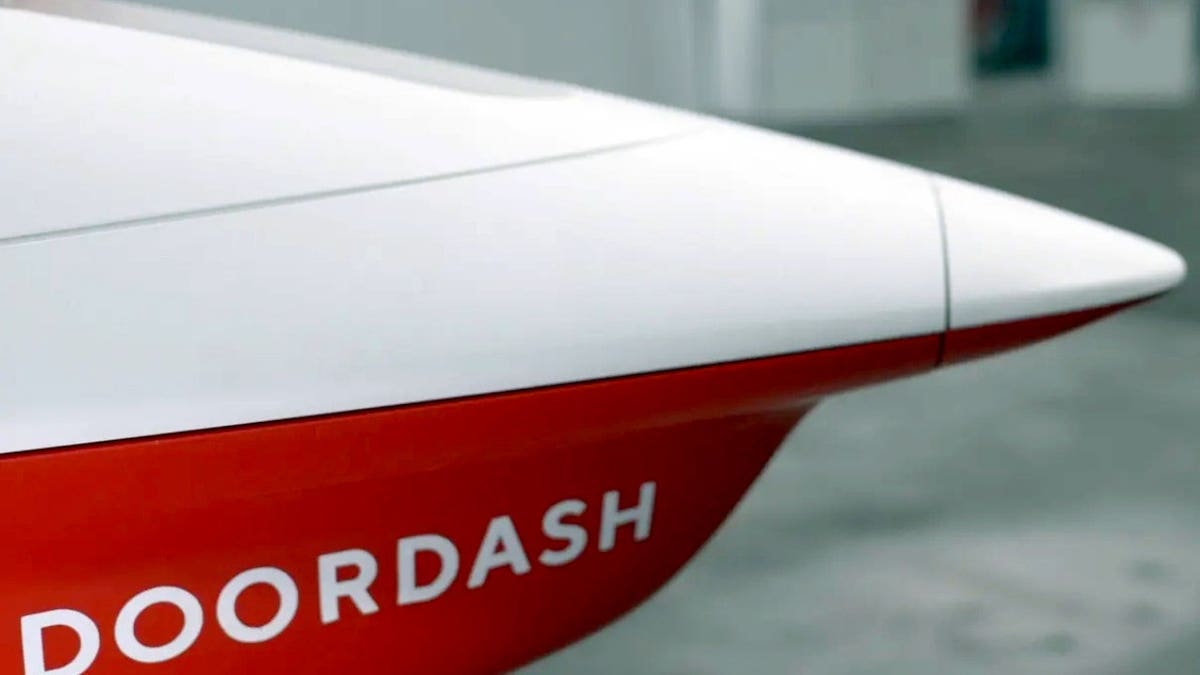
Your future DoorDash delivery might arrive through the air rather than by a vehicle. DoorDash has received FAA Part 135 air carrier certification, launching DoorDash Air, their drone delivery program. This new development allows them to operate commercial drone delivery in the U.S.
DoorDash’s Air Carrier Status
DoorDash became FAA certified on July 29, 2026, marking them as the eighth drone operator to achieve this status. The certification is necessary for companies that transport others’ property for payment using drones. Despite this, DoorDash still needs additional approvals for operational aspects and has yet to announce specific markets or a launch schedule.
Understanding DoorDash’s Drone Delivery Intentions
Waiting for a meal to slowly make its way through town can be frustrating. In 2025, over 20% of DoorDash orders covered three to five miles, taking almost 25% longer than shorter distances. Matching a Dasher to these mid-range orders posed a challenge. Drones promise quicker delivery by taking on longer routes, allowing Dashers to focus on shorter, more concentrated deliveries.
In 2025, DoorDash reported that drone deliveries took around 25 minutes on average. Some markets even experienced a 30% rise in order volume during drone pilot periods. That explains the push for more control over how deliveries are made.
Developing DoorDash’s Drone Fleet
DoorDash plans to develop its drones internally, aided by their robotics and autonomy expertise. Most components will be sourced from the U.S. Though specific details such as range and payload capacity are not yet disclosed, they promise more information soon.
DoorDash expects Dashers to cover most deliveries, while drones handle suitable tasks like smaller orders to suburban homes. This aligns with the industry’s shift toward efficient delivery modes, as seen with Uber Eats.
Limitations of FAA Certification
While certification is a milestone, it doesn’t authorize unrestricted drone flights across all cities. Further approvals, including beyond visual line of sight operations, are necessary. Local zoning and environmental reviews will also influence where they build hubs. Noise remains a concern, as the FAA indicates that even minimal drone noise can disturb communities.
Initial services will likely target areas with predictable routes and open spaces, avoiding dense urban environments.
Drone Delivery Advantages and Considerations
Drone delivery could reduce waiting times for urgent orders like medicine or meals. However, availability depends on your address falling within eligible zones and order compatibility with the drone’s limitations.
Costs and service options remain unclear, including potential fees or tipping changes. The trial phase versus broader service rollout is still developing.
DoorDash’s FAA certification lays the groundwork for their drone delivery ambitions. Still, completing further regulatory and operational steps is essential for success. The coming months will reveal how effectively DoorDash navigates these aerial challenges.