
The United States holds its military and those serving in it in high regard, treating them with honor and respect in various public settings. Politicians frequently express gratitude to troops, and uniformed service members often receive special privileges, like priority boarding at airports.
A long-held narrative suggests America is a land where anyone can strive and succeed regardless of their background. This belief intersects with the notion that military service transcends individual differences and unifies people under a shared purpose.
For years, foreign nationals found an opportunity to integrate into American society through military service. Wearing the uniform offered them acceptance into a distinct community, where their backgrounds did not differentiate them from their fellow soldiers.
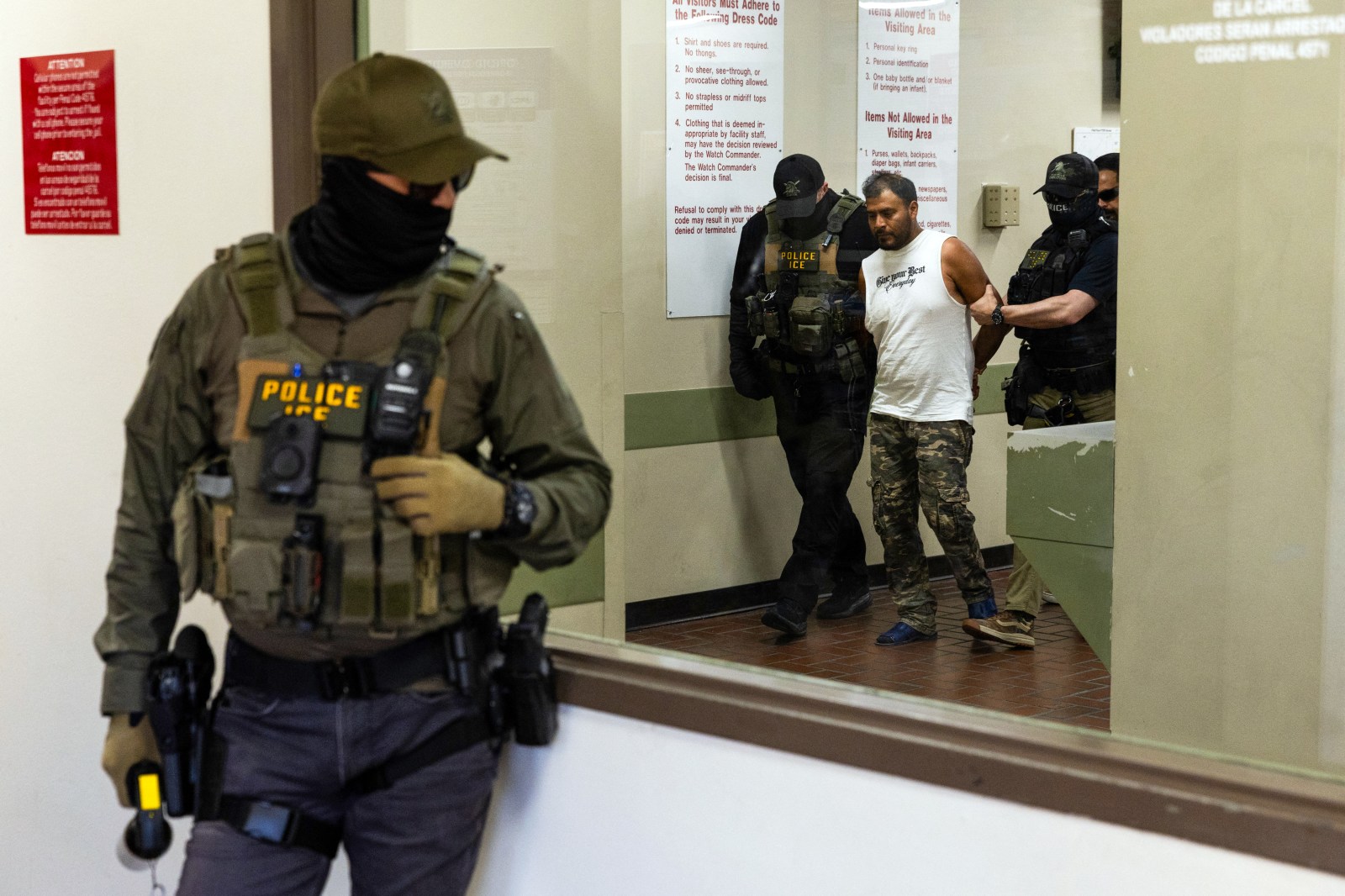
Recently, controversy arose as Senator Elizabeth Warren and over 60 congressional Democrats challenged the Trump administration’s policies concerning the deportation of noncitizen veterans and their families. They have sought clarification on the detention of current and former service members.
Documents and Concerns
On August 9, Democrats led by Warren addressed a letter to multiple government entities: the Departments of Defense, Homeland Security, Veterans Affairs, as well as agencies like U.S. Citizenship and Immigration Services and ICE. They sought explanations following reports of detentions and deportations involving U.S. service members.
The Department of Homeland Security informed legislators that between January 2025 and January 2026, ICE arrested 125 former armed forces members. Out of these, 73 faced detention while at least 282 veterans and their families confronted deportation proceedings.
Moreover, ICE statistics indicated arrests of 16 serving military members since October.
Historical Context
American law has been favorable to immigrant soldiers since the Civil War, offering streamlined paths to citizenship for honorably discharged individuals. Over 800,000 people have secured citizenship through military service since World War I.
Data shows approximately 187,000 individuals received their citizenship post-9/11 and over 50,000 during the Biden administration.
Under the U.S. Immigration and Nationality Act, noncitizens enlisting during active conflict can apply for citizenship after only one day of service, bypassing standard requirements. Thousands are naturalized annually through military service.
ICE’s Legal Ground
Legal principles support ICE’s actions. Military service does not guarantee citizenship, nor does it shield individuals from other immigration laws.
Criminal records are a significant determinant in immigration proceedings, and ICE’s arrests, such as the noted 46 out of 125 service members with active warrants, adhere to these considerations.
Additionally, family members of service members are not inherently granted legal status. Previous administrations, including those before Trump, have also engaged in deporting veterans.
An investigation by the Government Accountability Office revealed 250 veterans faced deportation from 2013 to 2018, with 92 removed due to criminal histories.
A National Discrepancy
No comprehensive protection exists for veterans and their families against immigration enforcement. The nation’s foundation rests on laws, ideals, and acceptance, which are applied selectively.
Interestingly, just before Senator Warren’s letter, Trump issued an executive order establishing the President’s Military Spouse Commission. It aimed to enhance support for military families. Yet, at the same time, immediate relatives of veterans were issued deportation notices after their special protection applications were denied.
Immigration law acknowledges the citizenship of foreign-born military personnel posthumously if they die on active duty. This nuance recognizes their service but restricts their ability to experience the benefits.
Democrats await a response by August 23. Meanwhile, nearly 50,000 noncitizen service members and 125,000 veterans residing in the U.S. face uncertainty about their future.