
With the midterm elections approaching, Democrats face challenges in red states and congressional districts as they aim to regain House and Senate majorities. A significant spending gap complicates these efforts. Republican campaigns, committees, and groups have spent $400 million more than Democrats, according to AdImpact.
This spending difference forces Democrats to carefully choose where to allocate their funds. Lauren French, Senate Majority PAC communications director, acknowledges the Republican spending advantage. She notes that Republicans treat elections as transactions, while Democrats work with real resources.
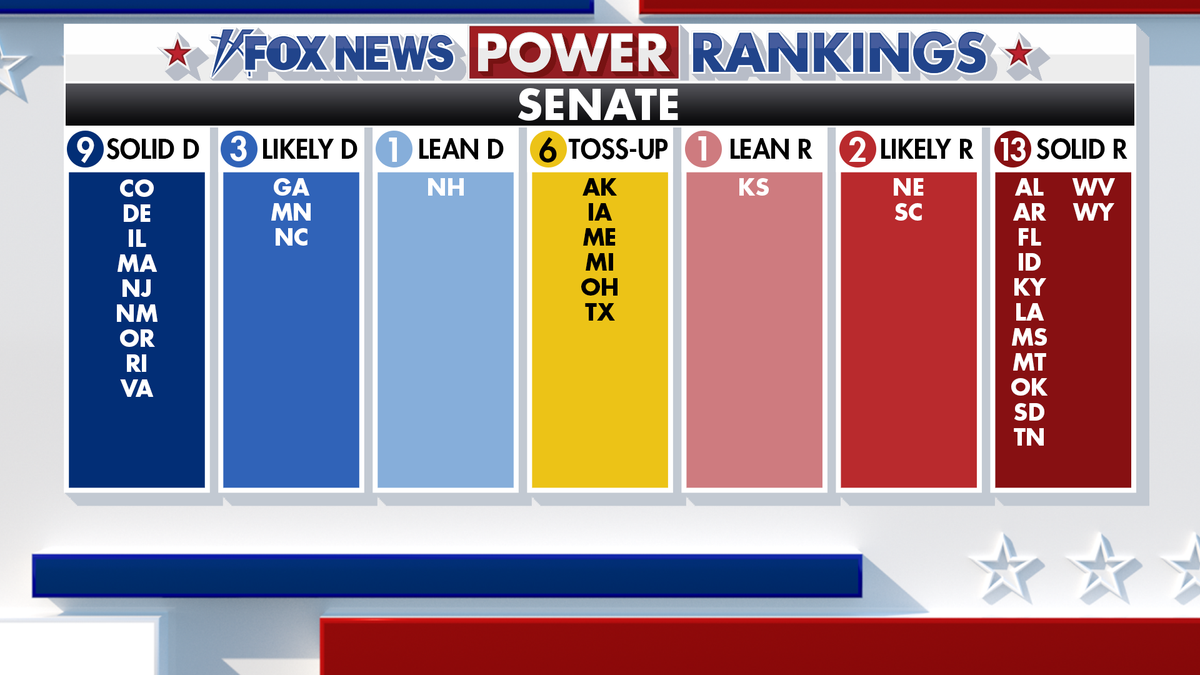
Fox News Power Rankings show shifting dynamics. South Carolina, previously viewed as solidly Republican, now appears likely Republican. The Senate race in Kansas leans Republican, whereas races in Alaska, Iowa, Ohio, and Texas are considered toss-ups.
Senate Majority PAC competes in nine battleground states, funded by record-breaking donations. However, Democrats need more money. A fundraising plea from Rep. Chris Pappas, New Hampshire’s Democratic Senate nominee, highlights the spending disparity. A pro-Trump PAC recently reserved $10 million for New Hampshire advertising.
American Bridge PAC, aligned with Democrats, contributed over $20 million to South Carolina, Kansas, Florida, and Mississippi. Despite these efforts, Democratic groups lag behind Republican-aligned counterparts with major spending from Senate Leadership Fund and MAGA Inc.
A veteran Democratic Senate operative highlights the funding issue. Democrats must decide how to protect toss-up states and invest in red-leaning states. French emphasizes the need for strategic decisions to ensure resources are distributed effectively.
House Democrats face similar challenges. A memo from the Democratic Congressional Campaign Committee warns of Republican spending in key districts. The memo requests additional funds needed by October 22 for potential victories.
The GOP confronts a tough political climate, including persistent inflation, high gas prices, and negative approval ratings for Trump. However, their financial advantage enables extensive spending on national political advertising.
Republican strategist Jesse Hunt believes this spending will significantly impact the midterms. Republican outside groups contribute to candidates maintaining close races amid strong headwinds.