
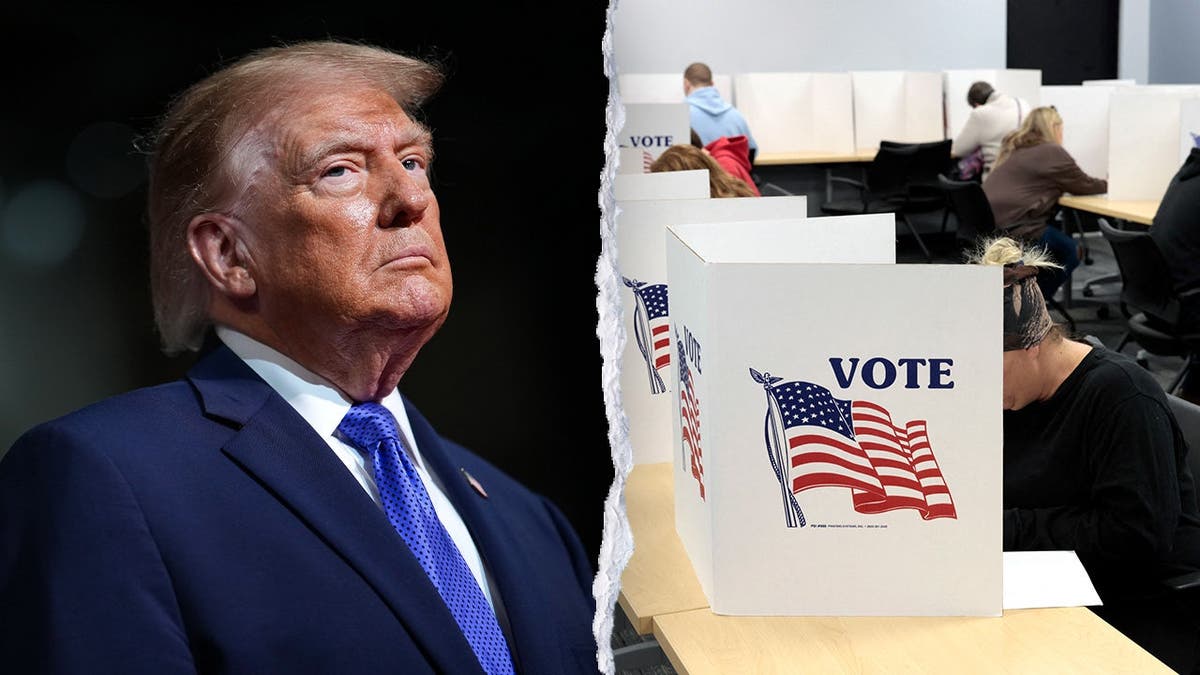
The midterm elections have brought significant changes in the political landscape, with voters prioritizing inflation concerns. The rising cost of living has become a focal point in political discussions and has impacted the GOP’s performance.
Fox News host Liz Claman, along with contributors Joe Concha and Jessica Tarlov, provides an analysis of how inflation levels, registering at a 79% hardship rating, influenced the election outcomes. This economic issue has shaped voter decisions and will continue to influence future political contests.
The Democrats have gained control of the House of Representatives, the Senate, and a majority of governorships. They now also lead in most state legislatures, marking a significant shift in political power for the first time in over a decade. Prior to the elections, Republicans held sway over 28 of the nation’s 49 bicameral legislatures, while Democrats governed 18, and three were split. Post-election, Democrats control both chambers in 24 states, while Republicans hold 22.
States like North Carolina and Texas have split legislatures, with ongoing races in Alaska and Georgia potentially altering this balance. Regardless of the outcomes in these pending areas, Democrats maintain a legislative edge nationwide. Nebraska, despite having a nonpartisan legislature, aligns with Republican counts due to its Republican leadership.
Democratic successes have been notable in battleground states during the 2026 midterms. Victories included flipping state legislative chambers and grasping full control of government in key areas affecting redistricting and election rules ahead of 2028. Notably, Wisconsin Democrats secured both the Assembly and Senate, and similarly impactful wins occurred in Michigan and Minnesota, reshaping these states’ political landscapes.
The Democratic gains extend beyond state legislatures to governorships and congressional control. Reports indicate that a majority of Americans live under a Democratic governor, with 53% experiencing unified Democratic control over their state legislature and governorship.
This shift affords Democrats more capacity to influence policymaking at the state level. State governments play a crucial role in drafting election rules, redistricting congressional areas, and setting budgets. Democratic control paves the way for potential changes in laws regarding issues such as abortion, gun regulation, education, and labor rights.
There are implications for future redistricting processes, as states redraw maps following the 2030 census. Controlling state governments means Democrats have greater leverage in designing districts and may initiate legal challenges to existing maps or change election administration rules prior to upcoming presidential elections.
The results underscore the diverse capabilities Democrats now possess to pursue stricter gun laws, enhance public education funding, and expand labor rights. Depending on the state’s political makeup, lawmakers might address voting restrictions, increase mail-in and early voting options, or modify election administration.
Voter sentiment about the country’s course heavily influenced the midterms. Three-quarters of voters expressed dissatisfaction or anger, contrasting the more positive perceptions seen in previous years under President Trump’s administration. Economic views have also shifted, with a majority judging the economy negatively as opposed to the more favorable views during Trump’s first term.