
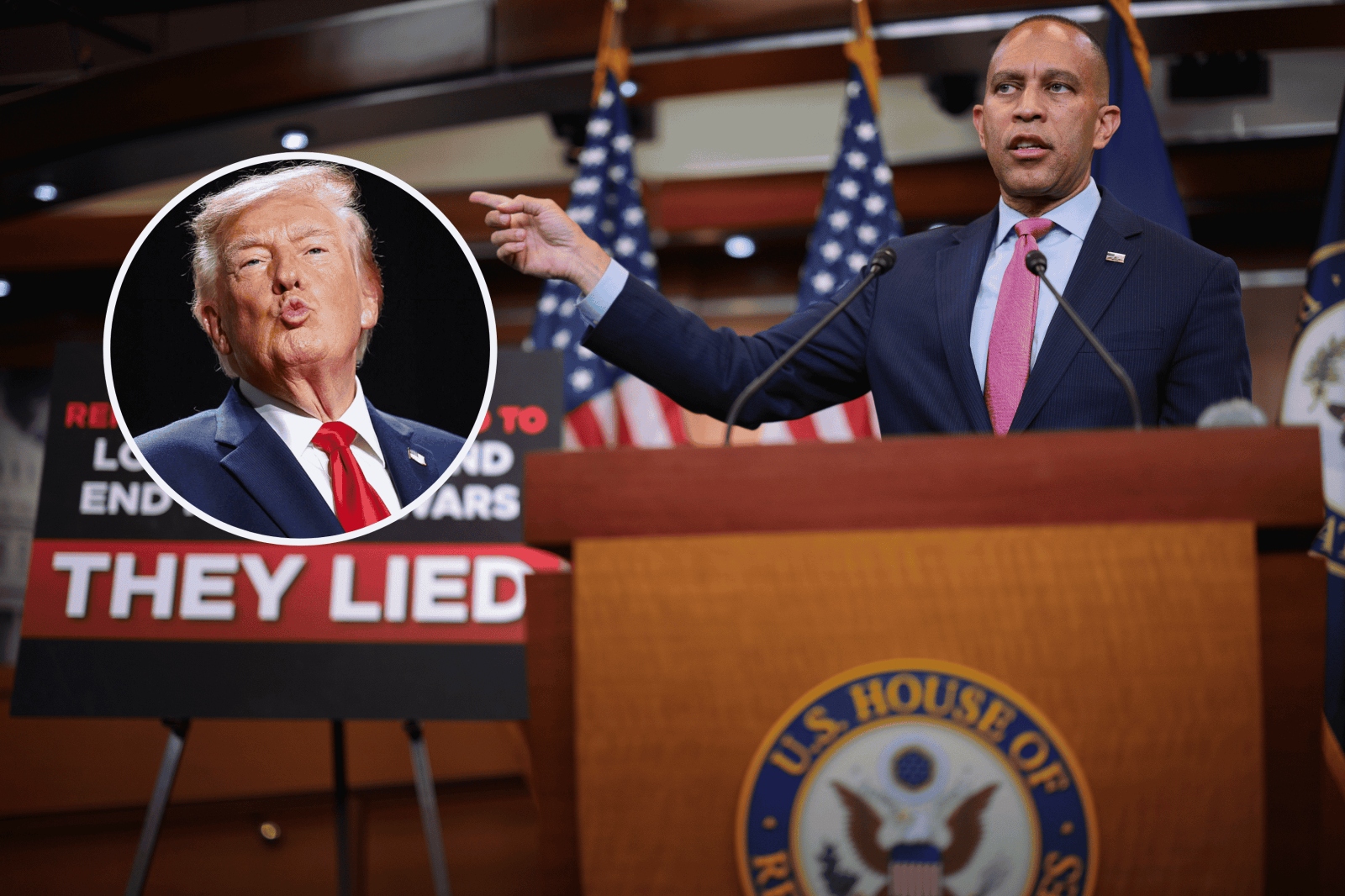
Democrats are increasingly optimistic about regaining control of Congress in the upcoming midterm elections. Some Republicans even seem ready to concede the House and possibly the Senate. If the balance of power shifts, Democrats face a critical decision: whether to impeach President Donald Trump for a third time. This decision involves more than just numbers.
Among Democrats, there’s a split. Some argue Trump’s actions demand constitutional accountability, while others worry impeachment could undermine their policy agenda, boost Trump politically, and end with another Senate acquittal. House Minority Leader Hakeem Jeffries of New York has remained non-committal. In an interview with PBS, he stated, “We certainly haven’t ruled anything in and we haven’t ruled anything out.” Democrats would investigate wrongdoing, follow facts, apply the law, and adhere to the Constitution.
The key question is whether impeachment will hold Trump accountable or distract a new majority without the likelihood of a removal. Democrats could impeach him with a simple majority vote in the House, but conviction and removal require two-thirds of senators, making Republican support vital.
Former Representative Joe Cunningham warns of the risks of impeachment as a political move. He emphasizes that frontline Democrats must appeal to independents and sometimes Republicans. Impeachment could overshadow other priorities like economic concerns.
Democrats Opposing and Warning Against Impeachment
Former Obama Chief of Staff Rahm Emanuel and Senator Tammy Duckworth advise against pursuing another impeachment. Emanuel suggests focusing on investigations and ethics reform instead, while Duckworth calls for returning to work without impeachment distractions.
Representative Raja Krishnamoorthi shares concerns, noting that few Democrats see impeachment as a priority after a potential House win. This shift could redirect the focus from economic issues back to Trump.
Lessons from Past Impeachments
Historically, the House has impeached three presidents: Johnson, Clinton, and Trump, each time ending in Senate acquittals. Nixon resigned before a full House vote. Polls from past impeachments show mixed public opinion, with Clinton experiencing backlash during his proceedings.
Trump’s previous impeachments had minimal impact on his approval ratings. His first impeachment saw nearly balanced public support for removal. His second impeachment had more public support for conviction, though it fell short.
Democratic Support and the Complexity of Impeachment
Supporters of impeachment argue that avoiding it due to expected Republican opposition weakens constitutional checks. They emphasize the importance of Congress holding presidents accountable. Representative Alexandria Ocasio-Cortez remains a vocal supporter of impeachment based on legal and ethical considerations.
Representative Ro Khanna believes impeachment sets constitutional standards, even if it doesn’t lead to removal. Jamie Raskin, central to potential proceedings, stresses the distinction between constitutional obligations and political strategy.
Greg Casar and Al Green represent divergent views within the party. Green has repeatedly called for impeachment, particularly over immigration policies, but faced resistance within his party.
The Risks and Implications of a Third Impeachment
A third Trump impeachment would highlight his record as the most-impeached president. Critics worry about reinforcing the perception of impeachment as a partisan maneuver with little effect. However, some argue that ignoring misconduct due to partisan gridlock diminishes constitutional accountability.
Trump and Republican Responses
Trump uses the threat of impeachment to galvanize Republican voters. He warns that a Democratic win could lead to more impeachments and chaos. For Democrats, the challenge lies in balancing the pursuit of accountability with political consequences.
If the Democrats gain the House, Jeffries’ assurance to follow the evidence might lead to a difficult decision, weighing constitutional duties against political strategy.