
Democratic governors historically opposed to school choice are feeling increased pressure to adopt President Trump’s Federal Scholarship Tax Credit (FSTC) program. As states decide whether to join, New York Governor Kathy Hochul has taken steps to formally opt in, according to Lindsey Burke, deputy chief of staff for policy and programs at the U.S. Department of Education.
Burke stated, “I think that pressure is real and is going to encourage all 50 states to ultimately opt in.” Her comments follow new proposed regulations by the Department of the Treasury and the Internal Revenue Service to implement the federal program. These regulations pave the way for the first nationwide school choice framework in the United States.
The Education Freedom Tax Credit allows taxpayers to receive up to a $1,700 federal tax credit for donations to non-profit scholarship-granting organizations. State governors must choose to participate, enabling residents and educational organizations to access these funds.
Currently, more than half of U.S. states have already signed up for the program. Burke mentioned that “competitive pressure” would push blue states to capture the influx of private donations. “If you’re in California, for example, a donor will be able to donate to scholarship-granting organizations outside of California and receive their tax credit,” she explained. “So, unless a state like California decides to opt in, donors will give outside their state, and students in California won’t benefit.”
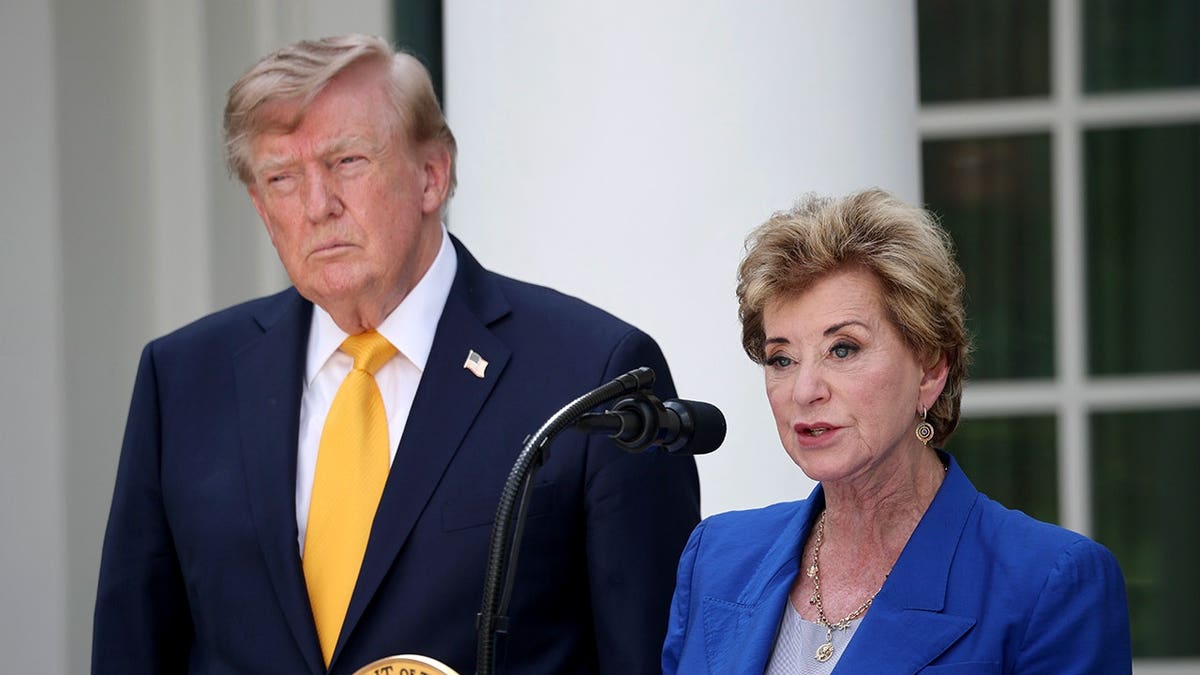
Education Secretary Linda McMahon highlighted resistance from some Democratic leaders, primarily because the program was initiated by Trump. For instance, Kentucky Governor Andy Beshear initially opposed the program, fearing it could redirect resources from public education. The state later joined after the legislature overrode Beshear’s veto.
Tax-credit scholarships differ from traditional voucher programs, which use municipal or state education funds. They allow taxpayers to redirect part of their federal tax liability toward funding student scholarships through non-profit organizations.
Sydney Altfield, CEO of Teach Coalition, said the tax credit design presents a financial incentive blue-state governors shouldn’t ignore. Altfield noted that Colorado Governor Jared Polis called on blue states not to join, highlighting the benefits for states like Colorado should others abstain.
Polis became the first Democratic governor to participate in late 2025, asserting the program could assist families with tutoring and after-school programs. Meanwhile, Governor Hochul confirmed intentions to join the program, positioning New York as the 30th state to participate. Despite opposition from labor groups and teachers unions, Hochul aims to put money back into New Yorkers’ pockets.
For years, school choice initiatives posed challenges for many Democrats, who argue choice models weaken public schools and unions. However, increased demand for alternative education options has prompted reconsideration. Trump’s landmark program emerges as major school districts struggle since the pandemic.
Altfield expanded on Burke’s comments, noting the economic benefits the program could provide, such as job availability and educational opportunities. By putting money back into the pockets of parents, the program could alleviate financial strain.
Joshua Q. Nelson, a reporter for Fox News Digital, covers cultural trends, education, and public policy. His work includes extensive coverage of educational developments and policy issues.