
Amidst the ongoing developments in the political realm, two Democrats running for Michigan’s 7th Congressional District have voiced apprehensions about the Justice Department’s decision to oversee polling locations in four Michigan cities.
William Lawrence expressed his concerns on NBC News’ “Meet the Press NOW.” He stated that the Justice Department’s actions “absolutely does raise concerns,” even though there have been no reported issues at the sites being monitored. Lawrence suggested that this could be a preliminary step towards increased federal involvement in the upcoming general election in November.
Matt Maasdam, another Democrat, criticized the decision, arguing that the Trump administration intends to normalize such monitoring practices, which he believes are not typical.
Assistant Attorney General Harmeet K. Dhillon of the Civil Rights Division defended the monitoring. She emphasized that the Justice Department’s efforts aim to ensure free and fair elections nationwide. Dhillon highlighted the department’s commitment to deploying resources to guarantee uniform and nondiscriminatory monitoring while appreciating the cooperation of jurisdictions involved.
Polling Closures and Key Races
Meanwhile, polls closed in certain parts of Michigan, with Democrats voting in a heated Senate primary. The winner will face former GOP Rep. Mike Rogers. Democratic Rep. Haley Stevens, supported by prominent Democratic leaders, positioned herself as a moderate against progressive Abdul El-Sayed, who has endorsements from notable progressives like Sen. Bernie Sanders and Rep. Alexandria Ocasio-Cortez.
In Missouri, former Rep. Cori Bush aims to reclaim her seat in a primary challenge against Rep. Wesley Bell.
Virginia’s Primaries
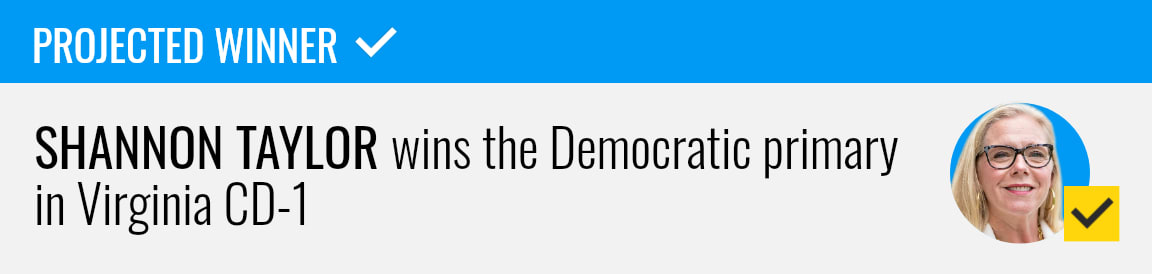
In Virginia, Shannon Taylor won the Democratic primary for the 1st Congressional District and will challenge GOP Rep. Rob Wittman. Former Rep. Elaine Luria, victorious in the Democratic primary for the 2nd District, prepares for a rematch against Republican Rep. Jen Kiggans.
As polls closed, Republicans held declining terrains, while Democrats selected nominees to contest seats in notable Republican-held battleground districts.
Redistricting Efforts in Maryland
Maryland’s Legislature voted to place a constitutional amendment on the ballot, aiming to eliminate the state’s single Republican-held congressional district by 2028. This decision marks the response to Republican redistricting efforts nationwide, buoyed by a Supreme Court ruling that eased boundaries on congressional map redrawing.
Republican Primaries and Defamation Cases
Virginia’s Republican primary saw Bert Mizusawa win to face Democratic Sen. Mark Warner. On a related front, MyPillow CEO Mike Lindell remains defiant against sanctions and court fees in a defamation case concerning false election claims, vowing to fight back with motions, asserting truthfulness in his represented claims.
Senate Reactions
Sen. Susan Collins announced her opposition to Todd Blanche’s confirmation as attorney general, citing concerns over actions affecting the Justice Department’s independence. She voiced doubts about Blanche’s initiatives, such as the ‘anti-weaponization’ fund and other prosecutorial measures.
Amid these developments, the Supreme Court has prepared for upcoming significant cases, including a notable one involving climate change claims against energy companies by Colorado communities. The outcomes could affect environmental law’s interactions with federal and interstate legal frameworks.
Michigan’s Democratic Primary Dynamics
The Senate Democratic primary in Michigan highlighted numerous issues, particularly Black voter turnout as a critical factor. Candidates differed in appeal to distinct demographic segments, influencing varied polling outcomes among Black voters as part of the Democratic electorate.