
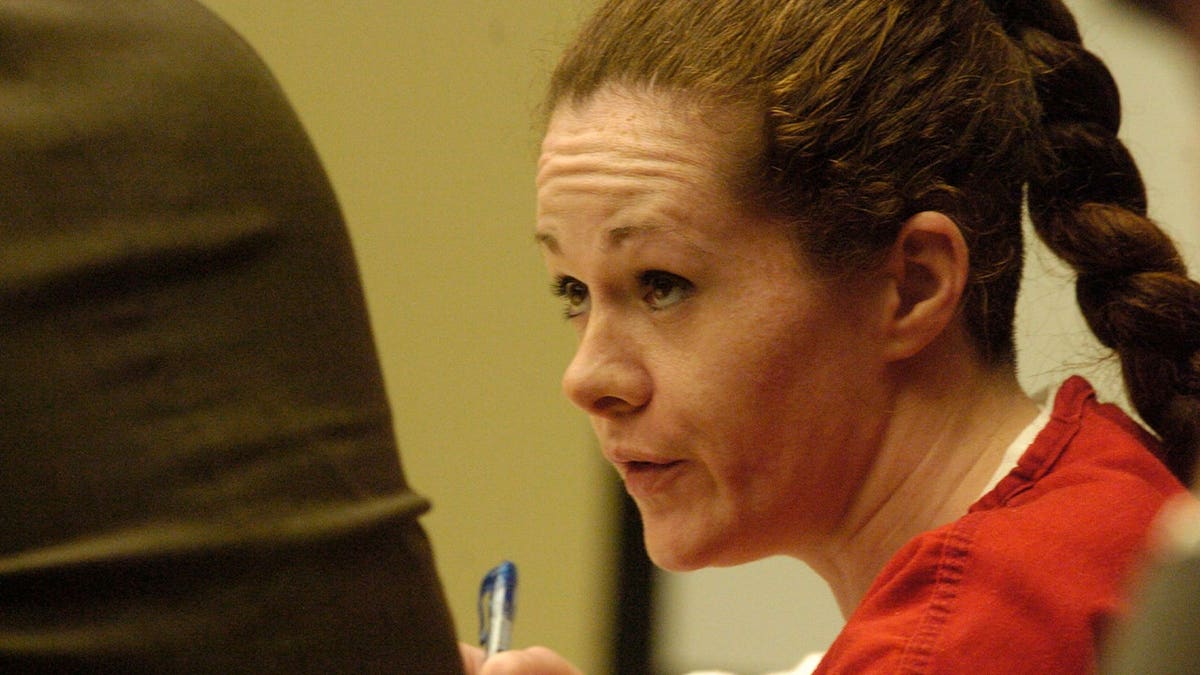
911 dispatch recordings indicate numerous miscommunications led to delayed responses after the Tennessee Department of Correction’s failed execution of death row inmate Christa Pike. The Associated Press reports an initial 911 call came to dispatchers around 8:40 p.m. on September 30, about an hour following Pike’s scheduled execution.
During this call, an unidentified caller informed operators of the failed execution but lacked a code to verify the call’s legitimacy. Operators then sought to authenticate the situation, as shown in the audio recordings.
“So we have a medical call for service at the Riverbend Prison,” a dispatcher states in the audio obtained by the Associated Press. The dispatcher proceeds to inform another operator, “They carried out the execution, the subject didn’t pass away, and they need an ambulance because she’s not breathing normally.”
There was uncertainty about whether an ambulance or police assistance was needed or if the call was prank-related.
Another snippet of internal dispatcher audio reveals an operator canceling the emergency response. Dispatchers received false information that the call was a prank, leading to the brief cancellation.
Confusion continued when there were discrepancies between a dispatcher and an employee at Riverbend Prison regarding the call’s origin.
“We got a call about a failed execution at your guys’ facility, and we’re just calling to verify,” a dispatcher stated. The prison employee then asked, “Um … who called you?”
Attorney Kelly Gleason later called 911 to report the botched execution, as verified by audio recordings. Gleason’s call emphasized Pike’s urgent need for life-saving care.
“What’s going on is my client, Christa Gail Pike, is undergoing a state execution. She has completed the stages of the protocol and last we knew from the attorney who is present, she is still alive and breathing and needs immediate life-saving care,” Gleason communicated.
Meanwhile, confusion persisted between prison officials and emergency responders over the legitimacy of the calls.
Ultimately, first responders were allowed entry into Riverbend Prison at 9:11 p.m. Pike was in an ambulance and on her way to a hospital by 9:34 p.m.
Convicted in 1996 for the 1995 murder of 19-year-old Colleen Slemmer, Pike was sentenced to death after more than 30 years on death row.
Execution authorities administered a single dose of pentobarbital and a subsequent dose per Tennessee’s execution protocol. Pike remained conscious, and no third dose was given due to protocol limitations. She was placed on a ventilator, unconscious for six days, before waking on October 6. Pike then returned to the Debra K. Johnson Rehabilitation Center women’s prison on October 10, receiving continued medical care, her attorneys stated.
In response to this failed execution, Tennessee Governor Bill Lee has paused all state executions, pending a further review.