
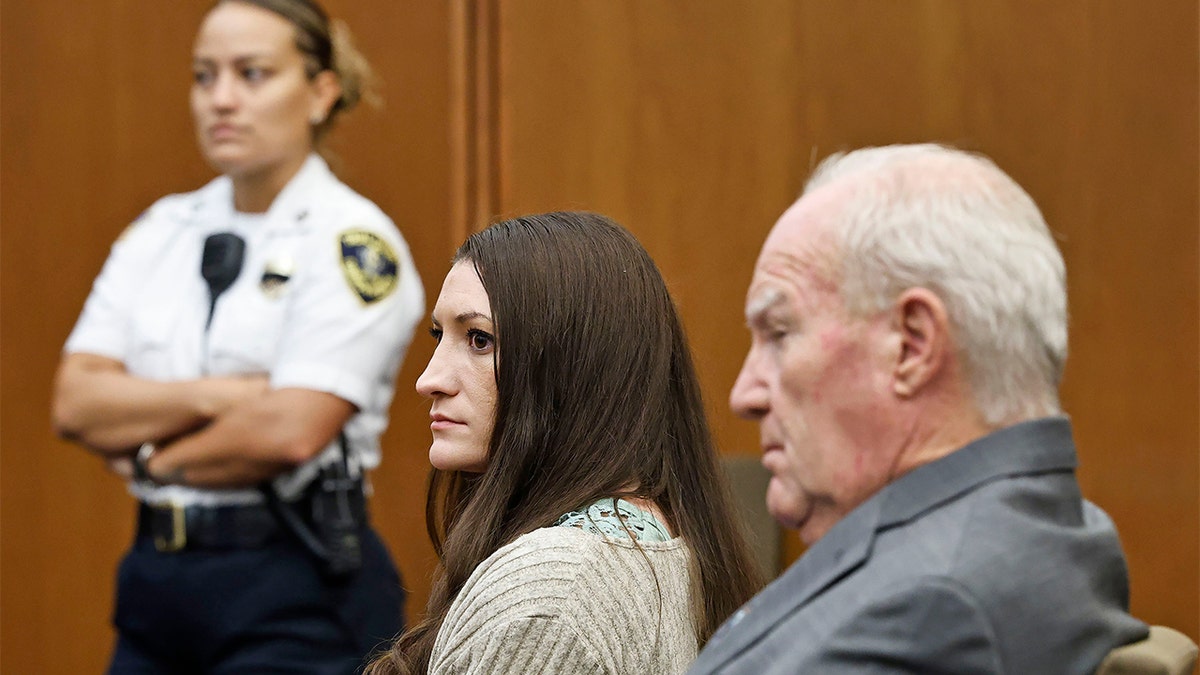
Lindsay Clancy’s lawyer received praise from a former attorney of Karen Read as jurors in the Clancy case approached the end of a long deliberation period. This comes after they informed the judge twice that reaching a unanimous verdict was challenging.
David Yannetti, who played a crucial role in Karen Read’s defense through both of her Massachusetts murder trials, expressed his thoughts on the pressure faced by the defense attorney in Clancy’s trial. “It brings back the stress and pressure of having someone’s life in your hands during the trial’s worst part – when the jury is deliberating,” Yannetti said. He noted that Kevin, Lindsay Clancy’s lawyer, seemed confident despite the high stakes.
Both Read and Clancy’s cases are unusual. They involve professional women with no criminal records, garnering significant public support and media attention.
Clancy is facing charges for the murder of her three children: Cora, 5, Dawson, 3, and Callan, who was 8 months old. The jury must decide if she is guilty of first- or second-degree murder, manslaughter, or not criminally responsible due to an insanity defense.
Judge William Sullivan, presiding over the trial, reiterated the prosecution’s duty to prove the case beyond a reasonable doubt as deliberations continued into the sixth day.
Without jury presence, Clancy’s defense attorney motioned for the removal of a supposed holdout juror who was allegedly accused by another member of not following the law. Judge Sullivan dismissed this request.
Retired Judge Carol Erskine explained that refusing to deliberate and disagreeing with the majority are different, highlighting the importance of judicial caution during jury deliberations.
The jury sessions paused for the day around 4 p.m., resuming the following day.
David Yannetti remarked on the taxing wait for both lawyers and their clients during jury deliberations. “It’s torture,” he commented, as he depicted the situation akin to “being cooked on a frying pan.”
In Karen Read’s first trial, jurors deadlocked after five days. She was later acquitted of all charges related to homicide in her second trial, with jurors deciding within four days.