
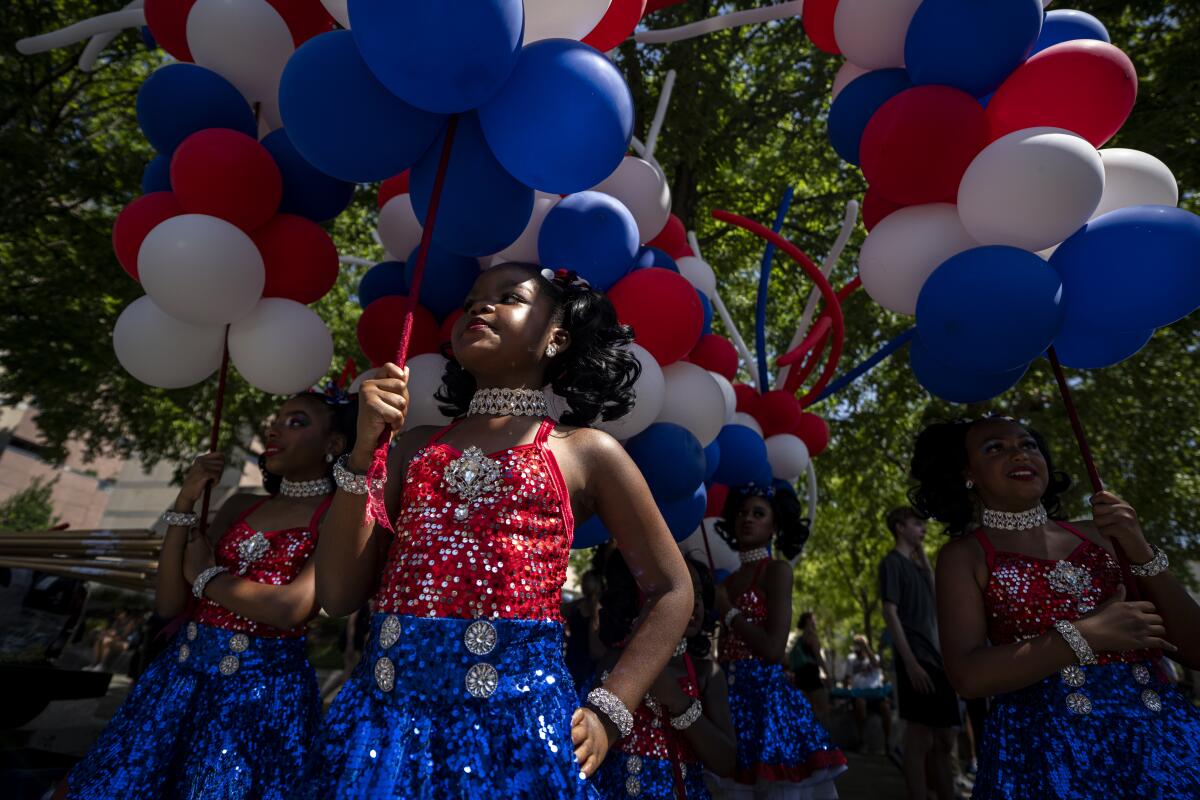
Washington, D.C. — Across America, small towns eagerly planned celebrations for the semiquincentennial. Events included town square readings of the Declaration of Independence, musical performances, parades, and themed baking contests.
However, many plans were abandoned following a $100 million funding cut by the Trump administration, affecting humanities nonprofits and state councils. This decision significantly disrupted history projects and educational programs nationwide.
The administration redirected funds to Event Strategies, responsible for Trump’s controversial rally on January 6, 2021, to centralize anniversary events in Washington, focusing on President Trump.
Historians argue this approach has politicized the celebration, showcasing an imperial presidency rather than commemorating a revolution against monarchic rule. The events highlight Trump, with attempts to imprint his image on passports, currency, and public amenities.
Despite this focus, within communities nationwide, historians, educators, and curators continue to engage in discussions on America’s history, albeit with limited resources.
David Ekbladh, a Tufts University history professor, notes how Trump’s administration demonstrates the power of political figures to influence historical memory. Quoting Orwell, Ekbladh emphasizes the control over past narratives impacting future perceptions.
Funding restrictions have suppressed institutions like museums and universities, reducing their contributions to the anniversary.
The White House has expanded its role, initiating Freedom 250 to complement America250, a bipartisan congressional project. Their initiatives primarily emphasize events featuring the president and align with conservative narratives.
This year’s celebration receives less attention than the 1976 bicentennial, which was widely covered and enthusiastically supported nationally.
Andrew Rudalevige from Bowdoin College points to modern media fragmentation as a factor, preventing a cohesive narrative like that of the bicentennial.
The focus of Freedom 250 has shifted from the Declaration’s content to placing emphasis on the presidential administration’s role.
America250’s potential outcomes were limited due to diverted funding and efforts.
The president has scheduled minimal national travel for the anniversary, with an event in North Dakota unveiling a new Air Force One, set to be kept post-presidency.
The jet will accompany Defense Department displays over the National Mall preceding a presidential speech amid projected high temperatures, followed by a massive fireworks display.
Peter Kastor, chair of Washington University’s history department, highlights the ongoing struggle between historians informing the public and government narratives. Museum professionals, site operators, and educators face challenges sharing the past while navigating conflicting desires for its portrayal.