
Former Disney Star Voices Concerns
David Henrie, known for his role in “Wizards of Waverly Place,” recently discussed his views on today’s entertainment industry with Tomi Lahren. He expressed concerns that the industry is overly focused on delivering messages, which he believes turns into propaganda. Henrie insists that storytelling should always be the priority. He argues that audiences are resisting this trend and that entertainment should unite people.
The Power of Storytelling
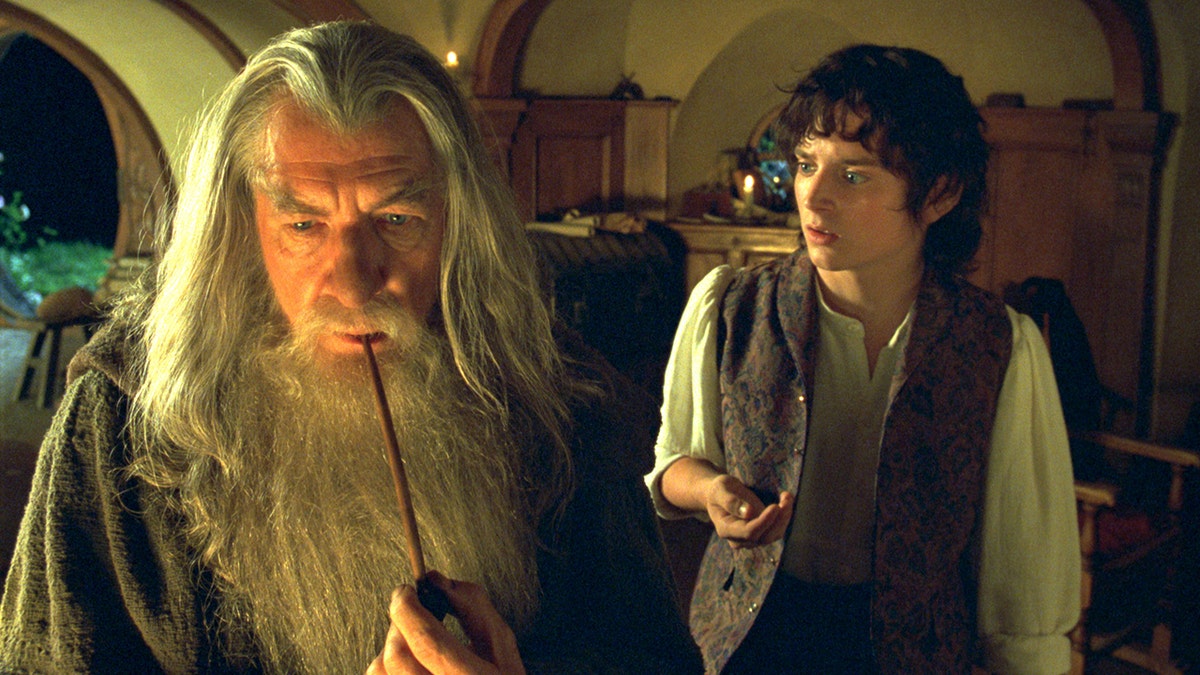
Stories of legendary adventures and heroic quests have fascinated people across cultures for ages. These tales offer an escape into worlds filled with wonder and the hope that courage and love still hold meaning. Renowned authors like Tolkien and Lewis created Middle-earth and Narnia as places where wonder and danger coexist. Their stories continue to captivate because they differentiate between darkness and goodness.
The Evolution of Fantasy
The fantasy genre is more popular than ever, with billions spent annually on related content. Yet, much of the modern fantasy content strays from what made the genre beloved. Recent trends show a shift towards explicit content under the guise of maturity, resembling a clickbait culture prioritizing shock value over substance.
“The question is not whether evil exists, but how it is portrayed,” said Henrie.
Impact on Youth
There is a trend towards darker and more explicit young adult fiction, as seen in popular series like “A Court of Thorns and Roses” and “Fourth Wing.” These books are often found in libraries, labeled as young adult, despite their mature content. This shift raises concerns about the impact on young readers.
Maintaining Moral Clarity
Great fantasy stories, like “The Lord of the Rings” and “The Chronicles of Narnia,” convey that evil has consequences. They emphasize that courage is significant and never blur the lines between good and evil. These narratives encourage readers to appreciate themes of sacrifice and integrity.
A Call for Quality Entertainment
The demand for authentic, well-crafted stories persists. Audiences seek danger, adventure, and hope but not at the expense of moral integrity. Simply offering faith-based or conservative content without quality storytelling will not suffice.
Henrie insists that fantasy should return to its roots, where storytelling and craft come first. Authors and creators must produce content that offers genuine enjoyment, drawing audiences into worlds where heroes are worth following.
Daniel Maritz, co-author of “Lightborn: Dawn of Darkness,” emphasizes the need for narratives that captivate without causing harm.