
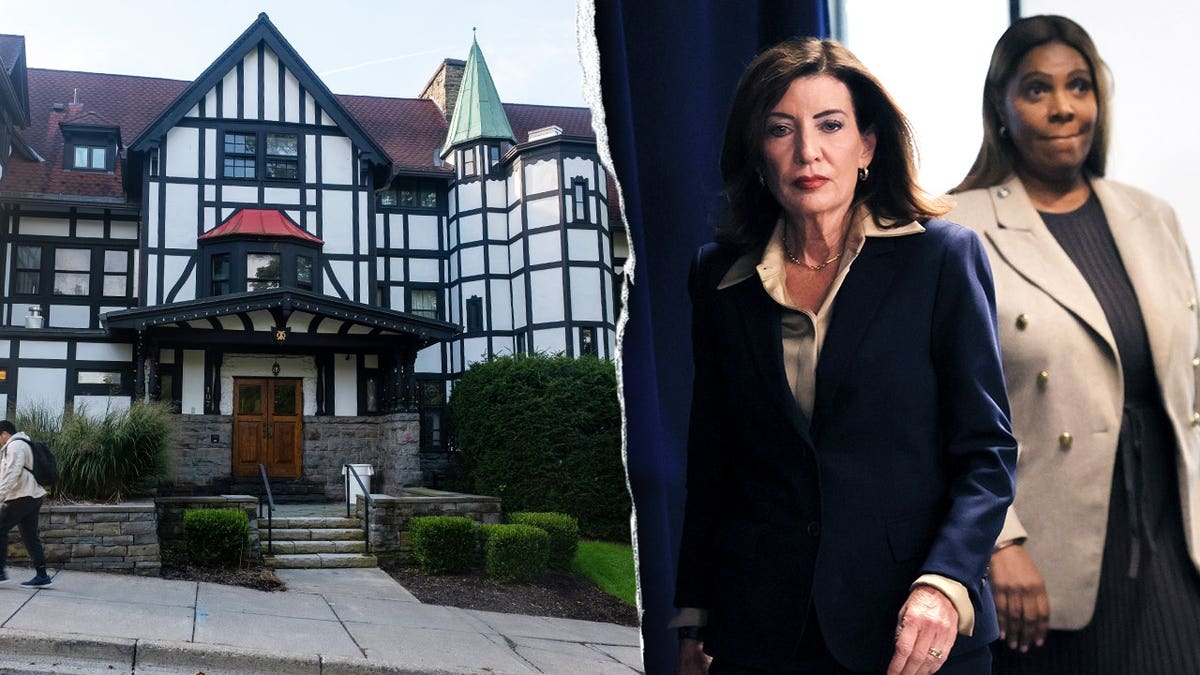
Two years ago, a case involving allegations of sexual assault at Cornell University captured national attention, sparking discussions on consent and criminality within college culture.
Allegations and Lawsuit
Seven former Chi Phi fraternity brothers face a civil lawsuit accusing them of drugging and raping a female student during a night of drinking and drugs in October 2024. The accuser, known as Jane Doe, claims that the men assaulted her after she arrived intoxicated and was pressured into taking substances like ketamine. The defendants deny misconduct, with some arguing the activities were consensual, while others deny participation. To date, no criminal charges have been filed against them.
Conflicting Narratives
The night of the alleged events saw Doe, a 20-year-old undergraduate, drinking vodka at her sorority before visiting two bars. She eventually met a friend at the Chi Phi house, visibly intoxicated after consuming about ten drinks. Doe alleges being given beer, ketamine, marijuana, and liquor by fraternity members, who then engaged in non-consensual sexual acts with her. A Snapchat group message encouraging other fraternity members to join the situation was also mentioned in the lawsuit.
Reactions and Developments
Initial statements from Doe did not label the incident as a rape, according to records from Cornell’s Title IX proceedings. However, her understanding evolved after hearing feedback and discovering an anonymous online post describing the night as a gang rape. The incident and its portrayal in media fueled a larger conversation about consent and institutional responsibility.
Cornell’s Investigation and Legal Actions
The lawsuit, along with accusations against the fraternity members, also targets Cornell University, the Tri Delta sorority, and other entities for failing to protect Doe. Questions arose regarding the absence of prosecutions following the incident. Matthew Van Houten, the Tompkins County District Attorney, plans to reconsider the case with new evidence.
Cornell University faced scrutiny over disciplinary actions, with two students expelled, two suspended, one cleared after graduation, and two found not responsible for misconduct. The university’s Title IX process was defended in light of criticisms received.
Recent Investigations
New York Governor Kathy Hochul appointed the Attorney General’s Office to lead a new investigation. Outside counsel will review Cornell’s handling of the case. Reports indicate that 35% of female undergraduates at Cornell experienced nonconsensual contact, based on a survey with a 15% participation rate.
The case, reinvigorated by Doe’s lawsuit, continues to be a significant point of discussion regarding sexual conduct and institutional accountability within academic environments.