
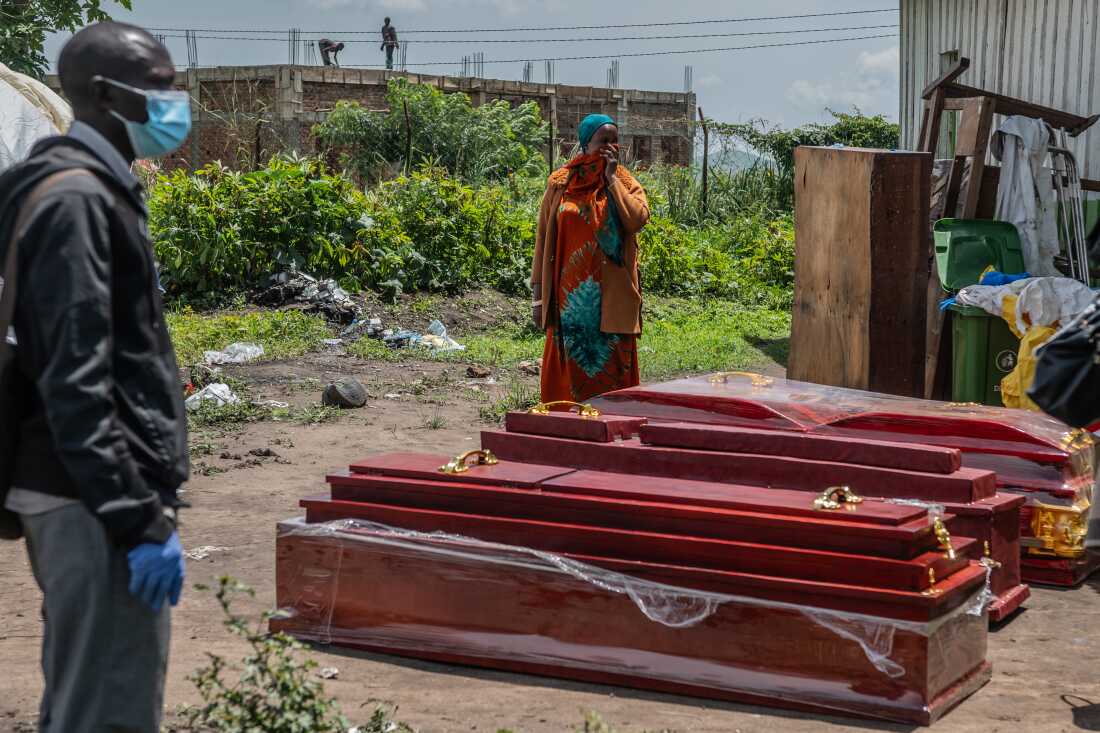
Anxious healthcare workers in eastern Congo are struggling with inadequate protection and training as they face a rapidly spreading Ebola outbreak. The virus outbreak, identified as a rare type of Ebola, affects one of the world’s most remote and vulnerable regions. The area’s history of violence, driven by various armed groups, further complicates crisis management efforts.
Armed Attacks Compound Health Crisis
Local leaders reported that militants affiliated with the Islamic State group killed at least 17 people in Alima village, Ituri province. This area has become the epicenter of the outbreak. The World Health Organization (WHO) has stated that “patient zero” remains unidentified, contributing to the challenges in containment.
“It’s truly sad and painful because we’ve already been through a security crisis, and now Ebola is here too,” remarked Bunia resident Justin Ndasi.
Despite health supplies being airlifted to Bunia, the first known death location, supplies like masks are scarce. Additionally, the cost of disinfectants has increased significantly, creating additional barriers for those trying to protect themselves.
Tragic Scenes at Health Centers
At Rwampara’s treatment center, families witness healthcare workers in protective gear disinfecting the bodies of suspected Ebola victims before securely burying them. The disease onset is sudden, often mistaken for other illnesses such as malaria, leading to rapid deterioration.
“He told me his heart was hurting,” shared Botwine Swanze, who lost her son. “Then he started crying because of the pain… Then he started bleeding and vomiting a lot.”
Ebola spreads through contact with infected bodily fluids. Symptoms include fever, vomiting, diarrhea, muscle pain, and sometimes, internal and external bleeding.
Scale of the Epidemic
WHO has declared the outbreak a public health emergency of international concern. They warn that the outbreak, caused by the Bundibugyo virus, may last at least two months. The virus spread undetected for weeks because authorities initially tested for a different Ebola type.
Anaïs Legand from WHO’s emergencies program noted that while 51 cases have been confirmed in Ituri and North Kivu provinces, and two cases in Uganda, the true number of cases could already exceed 1,000. The London-based MRC Centre for Global Infectious Disease Analysis suggested cases are significantly undercounted.
This marks Congo’s 17th Ebola outbreak, with most prior occurrences involving a more common strain of the virus.
Vaccine Development and Aid Efforts
Dr. Vasee Moorthy from WHO reported that a vaccine addressing the Bundibugyo strain will not be ready for at least six to nine months. Dr. Lievin Bangali from the International Rescue Committee highlighted that conflict, displacement, and an underfunded health system intensify the outbreak’s challenges.
The Trump administration’s foreign aid cuts have exacerbated the situation. Despite this, the U.S. pledged $23 million to aid the crisis by funding 50 emergency clinics in key areas.
Living with Ebola
In Bunia, schools and churches remain open, though some residents use masks. Limited isolation wards in places like Bunia’s Salama hospital contribute to the strain on healthcare facilities. As Doctors Without Borders reported, health facilities are overrun and lack space for new patients.
“Every health facility they called said, ‘We’re full of suspect cases. We don’t have any space.’ This gives you a vision of how crazy it is right now,” shared Trish Newport, an emergency program manager.
Despite the ongoing outbreak, normal activities such as gold mining continue in areas like Mongbwalu, where the first known death occurred. Local leaders stress the need for public health measures like handwashing stations.
International Response to Ebola Cases
An American diagnosed with Ebola in Congo is in isolation in Germany. The patient’s family was also relocated to Germany at U.S. authorities’ request. Meanwhile, a doctor from Uganda without symptoms is now in the Czech Republic.
Dr. Satish Pillai, incident manager for the CDC’s Ebola response, confirmed the transfers were coordinated with the U.S. State Department. He noted one patient in stable condition is receiving treatment in Germany.