
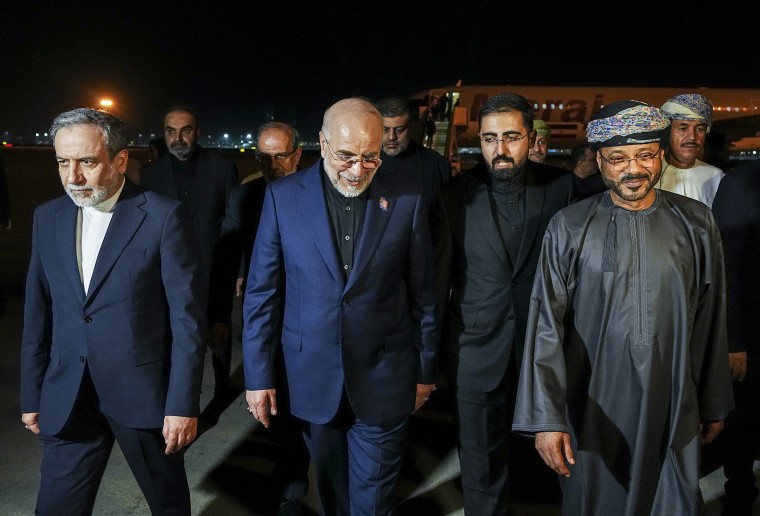
U.S. officials recently expressed concerns regarding the possibility of Israel targeting Iran’s negotiators during crucial ceasefire talks. Both a U.S. official and an Iranian official, familiar with the situation, indicated this potential threat. During discussions in April and May aimed at ending hostilities between the U.S. and Israel with Iran, the Trump administration feared Israel might target Iranian Foreign Minister Abbas Araghchi and the Iranian parliament speaker, Mohammad Bagher Ghalibaf.
Abbas Araghchi and Mohammad Bagher Ghalibaf have played vital roles in negotiations with U.S. envoy Steve Witkoff and President Donald Trump’s advisor Jared Kushner. These talks, initiated in April, resulted in a ceasefire deal and a subsequent memorandum of understanding between the U.S. and Iran last month. Although negotiations continue for a more lasting peace, several critical issues remain unresolved.
The U.S. communicated the potential threat to Iran through intermediaries, according to one official. The New York Times initially reported on these concerns from the Trump administration.
“As usual, The New York Times’ latest story about Israel and the Iranian negotiators is fake news. A complete fabrication of reality,”
When contacted for additional comments, Netanyahu’s office referred to a post addressing the New York Times report. The White House did not provide immediate comments.
Israel’s history of targeting senior Iranian military and government officials, penetrating the Iranian regime’s security, is well documented. During the initial weeks of the conflict, U.S. air raids primarily focused on military targets, including Iran’s missiles, while Israeli forces aimed at prominent regime figures, according to American and Israeli officials.
In March, Trump noted that some Iranian officials, previously seen as pragmatic by Washington, had been killed in airstrikes. “Most of the people we had in mind are dead,” Trump commented regarding these potential negotiators.
The Trump administration and Netanyahu’s government have disagreed over the war’s objectives and negotiation strategies with Iran. Trump has been critical of Israel for its ongoing attacks on Hezbollah. These actions have endangered peace talks, leading Trump and his officials to publicly denounce such attacks and urge Prime Minister Netanyahu to cease these actions.
Negotiations have experienced difficulties. Recently, U.S. intelligence agencies assessed that Israel might persist in attacking Hezbollah, posing additional risks to peace efforts, as reported by an informed source.
Within Trump’s team, Vice President JD Vance has voiced criticism of Israeli hard-liners, accusing them of personal attacks on Trump. In a New York Times interview, Vance addressed Netanyahu’s Cabinet members directly, highlighting the futility of resolving national security issues through force alone.