
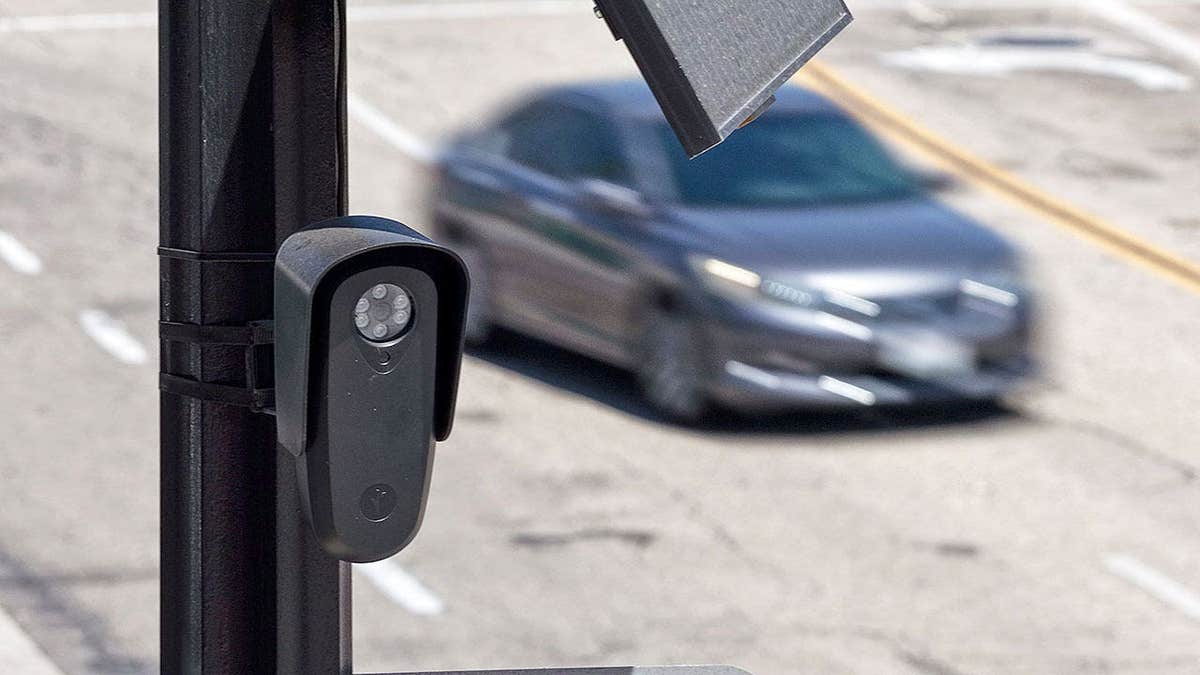
Senator Josh Hawley is demanding clarity from Flock Safety due to privacy concerns surrounding its expansive network of AI-driven cameras. These cameras have allegedly formed a comprehensive national database tracking the movements of Americans. Flock Safety has rapidly expanded its reach, boasting over 120,000 cameras across 49 states, capturing data from more than 20 billion vehicle scans every month.
Hawley, serving as the chairman of the Senate Judiciary Subcommittee on Crime and Counterterrorism, has initiated an investigation to determine who has access to the massive data collection and how it is being utilized. He argues that while such technology aids law enforcement, it should not infringe on citizens’ privacy rights.
Flock has assembled an unprecedented national surveillance network.– Sen. Josh Hawley
One primary concern highlighted by Robert Frommer, director of the Institute for Justice’s Project on the Fourth Amendment, is the ability of police to track individuals’ past movements without judicial approval. Frommer asserts the need for judicial oversight, suggesting that warrants should be obtained before engaging in such surveillance, except in emergencies or imminent threat scenarios.
Flock Safety’s spokesperson, Paris Lewbel, mentioned that the company received Hawley’s inquiry and is prepared to cooperate by providing further insights into its technology and its operational safeguards. Despite arguments that such measures help solve crimes and locate missing people, privacy advocates worry about the potential misuse and overreach of this surveillance capability.
Several cities and counties, such as Pflugerville and Hood County in Texas, are reconsidering their engagements with Flock, driven by concerns over privacy, data-sharing practices, and organizational accountability. These regions have chosen to disable Flock cameras, with officials expressing a need for balance between public safety and citizen privacy rights.
The broader implications of this surveillance have not gone unnoticed. Rep. Keith Self, R-Texas, voiced his concerns, asserting that constitutional rights should not be sacrificed for perceived safety. He emphasized that tools should not permit unchecked surveillance that undermines personal freedoms.
As more municipalities debate the deployment of such technology, the imperative for constitutional protections becomes clear. Safeguards must ensure that while technology aids crime-solving efforts, it does not infringe upon individual privacy rights.