
At Steelworkers Park, native plants thrive, attracting butterflies and dragonflies. Nearby, the remnants of U.S. Steel South Works serve as a historical reminder of past industrial impacts. However, attention is now focused on the $9 billion Illinois Quantum and Microelectronics Park under development on the old mill site. This 440-acre project, initiated last fall, is expected to boost jobs and economic growth. Governor JB Pritzker welcomed the project, with tech giant PsiQuantum set to be its anchor tenant along with firms like IBM and DARPA-funded companies.
Despite official enthusiasm, concerns persist. Southeast Side community activists, like Damon Williams and Daniel Kissingler from Respair Media, worry about potential negative impacts. They criticize the project for possible community displacement, environmental harm, and privacy issues. Local coalitions and residents, despite state excitement over advancements, voice concerns over resource usage, regulation, and infrastructure implications.
In their feature, “Quantum Entanglements,” Williams and Kissingler seek to provide a comprehensive view of the development and related quantum technology. The project includes plans for a hospital, a 128-acre quantum computing facility, and office space. However, specifics remain unclear, causing unease among residents. Anne Holcomb, a local resident, emphasized the community’s exclusion from discussions about the land’s use, expressing frustration during a 65-minute podcast that delves into the unknowns surrounding the site.
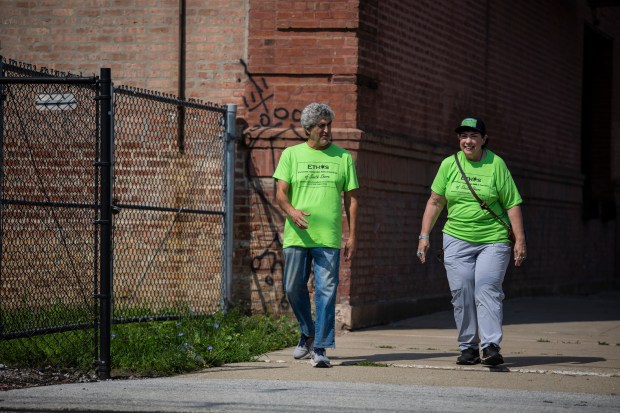
Grassroots environmental group ETHOS, which Holcomb co-chairs, advocates for a community benefits agreement, reflecting a broader hesitance towards urban megadevelopments. Activists like Antonio Lopez from the Chicago Frontlines Fund link these concerns to long-standing issues with large city projects. Examples include Lincoln Yards and the implosion of the Crawford Power Generating Station. These developments often stir tensions over affordability and urban identity.
The campaign for community inclusion persists. Williams and Kissingler, along with organizations like ETHOS, continue dialogues with developers to address concerns about environmental, housing, and educational priorities. They seek assurances of community investments, emphasizing needs like public amenities at Steelworkers Park. Respair Media’s project, partly funded by grants, aims to elevate public awareness and involvement in these developments.
ETHOS’s ongoing discussions with developers involve housing, parks, and education matters, though employment-related talks are pending. Meanwhile, efforts to manage construction impacts, like fencing and street cleaning, continue to mitigate disruptions. ETHOS ensures accountability, aiming for responsible development that aligns with community interests.