
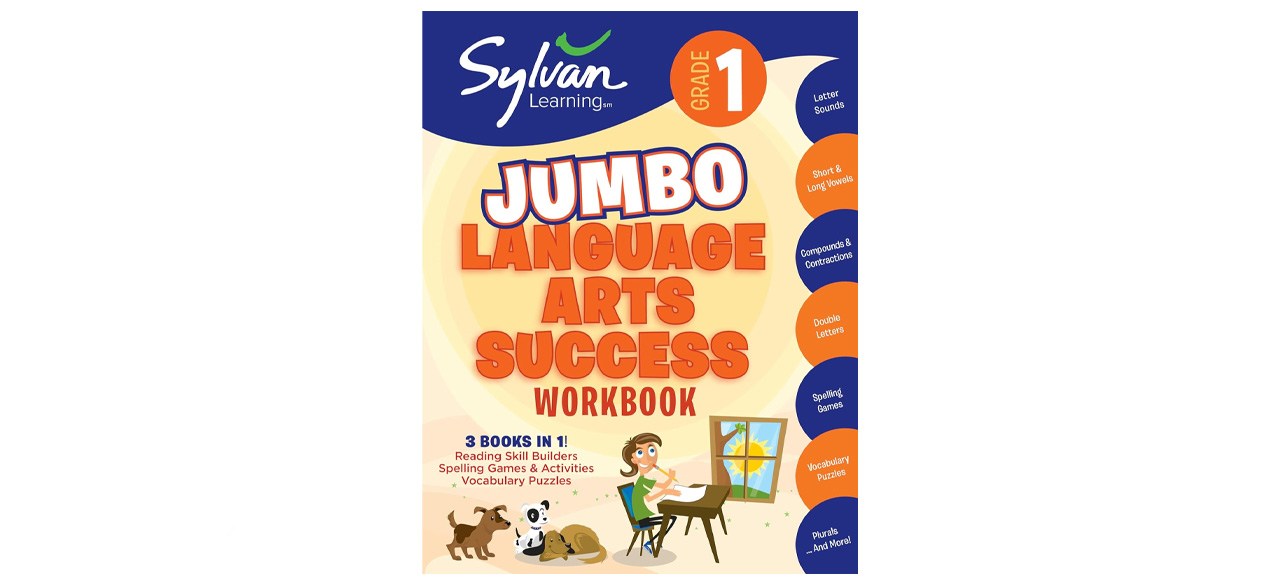
Literacy involves more than just reading and writing. It equips us with the tools for effective communication. Selecting high-quality reading and writing materials is vital for your child’s development. A solid foundation in these areas can pave the way for future success. But how do you choose the right resources? This guide will provide valuable insights and product recommendations, like Sylvan Learning’s First Grade Jumbo Language Arts Success Workbook, which offers engaging learning experiences.
Understanding Reading Levels
Ages 4-6: Children at this age typically recognize most letters but may not yet be reading. Introducing language arts activity books is beneficial, offering fun and colorful activities that attract their interest. Ensure the book includes letter recognition, sounds, and blending letters to form words.
Ages 5-7: This is the stage where children can begin reading. Consider whether a phonics or whole-language approach suits your child’s learning style.
Ages 8-10: Children should be comfortable with reading, writing, and spelling simple words. Focus on materials that enhance sentence structure, grammar, and expression.
Phonics vs. Whole Language
Phonics: This method uses sound and letter combination rules to help children decode words. It’s akin to solving a puzzle. This technique prepares children to tackle more complex words. However, phonics might struggle with exceptions, like “pear” and “pair.”
Whole Language: This method teaches words in context, emphasizing word familiarity. It can be beneficial for children with dyslexia.
Qualities of Effective Reading and Writing Materials
Digital vs. Print: Both print and digital materials are useful. Starting with print resources helps children learn to hold a pencil correctly. Once they master basic skills, introduce digital materials.
All-in-One Workbooks: These books cover various topics and are excellent for young learners. As children grow, transition to more specific books for deeper learning.
Easy Readers: These resources feature simple words and repetition, ideal for beginners.
Child-Friendly Writing Pages: Elementary writing materials often include blank-lined pages for practice. Ensure there is enough vertical and horizontal space for young learners.
Cost Expectations for Reading and Writing Materials
Prices vary widely depending on the resources. Basic activity books typically range from $10 to $20. Bundles with multiple workbooks can cost $50 or more.
Concerns About Reading Progress and Dyslexia
When to Worry: Children typically learn to read between ages four and seven. If challenges persist at age eight, consult a pediatrician.
Signs of Dyslexia: While a professional evaluation is necessary, struggling with nursery rhymes or alphabet order can indicate a need for assistance.
Recommended Reading and Writing Materials
Sylvan Learning’s First Grade Jumbo Language Arts Success Workbook: A comprehensive 3-in-1 workbook covering essential language arts topics in a kid-friendly manner.
Pros: Incorporates engaging reading, vocabulary, and spelling activities. The book is colorful and visually appealing.
Cons: Some find the book easier to use if pages are perforated. A few instructions may be challenging for children without assistance.
Hannah Braun’s Learn to Read Activity Book: Ideal for introducing basic words to young children.
Pros: Features fun challenges, like mazes and word searches, promoting sound blending and sight words. Mixes activities and lessons well.
Cons: Activities might be difficult for children unfamiliar with letters.