
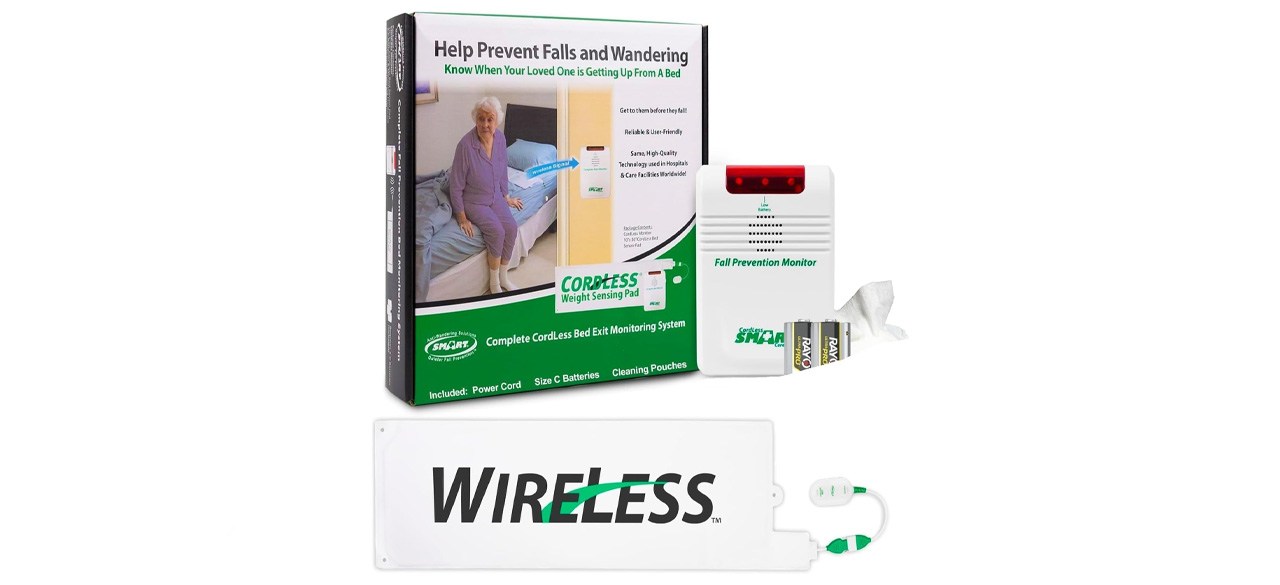
Bed alarms play a crucial role in ensuring safety when supervising those needing care. They come in varied forms and offer features that keep you informed about your patient’s safety. The Smart Caregiver Wireless Bed Alarm System stands out as the top choice. It offers wireless functionality with a 300-foot range, ensuring the alarm isn’t disruptive to your patient.
Types of Bed Alarms
Three primary types of bed alarms are available:
- Clip Alarms: These attach to clothing and trigger when detached. They are often affordable and simple but require patient compliance as they can be easily unhooked.
- Motion Alarms: These detect movement in specific areas like bed edges. They can be linked for broader surveillance but might trigger due to any movement.
- Pad Alarms: Common and easy to use. They have a sensor pad under the patient that activates when pressure is absent, though they may cause discomfort.
Power Sources
Most alarms are battery-operated, preventing tripping hazards and ensuring functionality during power outages.
Features of a Quality Bed Alarm
- Sensitivity: Alarms should match the patient’s sensitivity needs, especially for those who move often.
- Alarm Delay: Useful for patients who move frequently, preventing false alarms if the patient returns quickly.
- Wireless Capabilities: Wireless alarms avoid cord hazards and allow you to keep the alarm close.
- Volume and Tone: Adjustable settings help find the right balance to prevent discomfort while ensuring you hear the alarm.
- Call Functionality: Some alarms feature call buttons for alerts or communication.
- Waterproofing: Essential for pad alarms, especially for incontinent patients.
- Status Lights: Indicators for low battery or activated alarms are beneficial.
Price Range
Bed alarms range from $20 to over $200. Budget models typically cost under $50, while more advanced ones range from $50 to $100. High-tech alarms start around $150.
Durability
Durability varies by type. Pad alarms usually last up to a year, while others depend on battery life and overall use.
Safety Considerations
Avoid magnetic alarms for patients with pacemakers. Thoroughly check for any magnetic components.
Top Bed Alarm Choices
Smart Caregiver Wireless Bed Alarm System
This alarm keeps the noise out of the room but ensures you hear it. Its soft, vinyl-coated pad is durable and has a one-year life span. Setup challenges and pre-activated pads may shorten its lifespan, but overall, it offers reliable functionality.
Patterson Medical Sammons Preston Magnet Bed Alarm
A clip-based option suited for tight budgets. It’s compact with an adjustable cord and a status light. Some users found the sound too low or battery changes difficult.
Secure Bed Exit Alarm Set
Midrange with valuable features, including a delay to reduce false alarms. It turns off automatically when the patient returns. The pad is robust with a fluid-proof cover, though the alarm might be too loud for comfort and requires battery removal to silence fully.
The information provided is based on research and reviews. Prices are subject to change and represent the time of publication.