
China’s recent state visit to the United States brought a brief respite in trade tensions, extending a truce until January 10. Chinese President Xi Jinping’s red carpet welcome in Washington highlighted the importance of peaceful coexistence between the two nations. During this visit, Xi urged U.S. President Donald Trump to approach the Taiwan issue carefully and oppose its independence.
While discussions touched on rare-earth minerals critical to defense technologies, details remained vague. The White House noted continued efforts to address rare-earth shortages. The recent dialogue underscores America’s focus on securing reliable supply chains for critical materials.
“Peace through strength is imperative to maintain deterrence.”
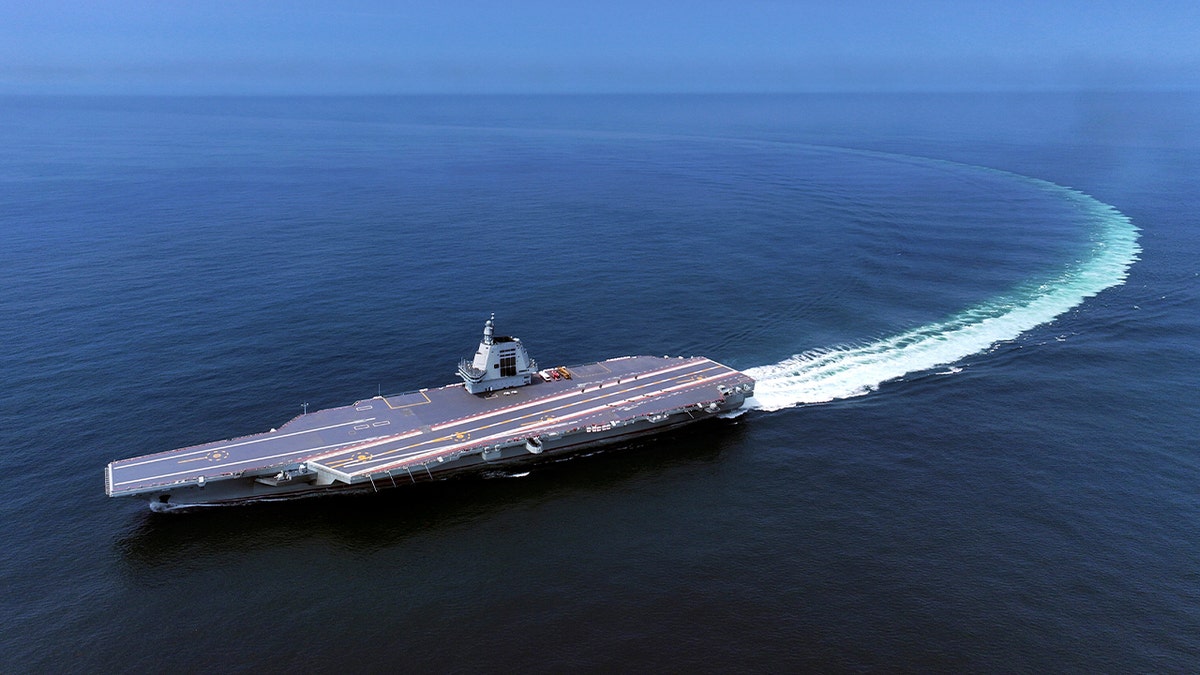
China’s military expansion continues vigorously. Its third conventionally powered aircraft carrier, the Fujian, embarked on its first sea trial, emphasizing China’s growing naval capabilities. Notably, Communist China’s challenge lies not in building a navy, but in sustaining it post-2031.
Operating costs for China’s warships are significant, rising considerably as maintenance begins in earnest around 2031. The People’s Liberation Army Navy has expanded rapidly, but maintaining this fleet will strain resources. Repair yard demands will compete with new-build needs, stretching the workforce and increasing costs for fuel, munitions, and training.
Financial pressures are evident at the local level, with 21 provincial regions unable to cover over half of their spending with revenue. Land sales, a primary income source, have plummeted. Beijing has managed debt by placing “hidden” local debt onto official books, reducing interest rates but increasing the visible debt burden.
Historical parallels are visible. In 1930s Germany, Hjalmar Schacht concealed military spending through Mefo bills. By 1938, this approach was exhausted, leading to financial strain. Germany used plunder to sustain itself. Today’s China faces similar fiscal challenges without the option of neighboring plunder.
Xi’s strategy may involve coercion or a rapid action concerning Taiwan before 2031 when the financial burden grows. Moreover, China’s dominance in refining rare-earth magnets, crucial for U.S. defense, offers leverage. However, America is rapidly addressing this vulnerability, reducing dependency on Chinese supplies.
America’s focus on securing supply chains is reshaping defense capabilities, diminishing China’s grip on key materials by 2031. Meanwhile, Xi continues to assert influence over Taiwan, though with no substantive policy changes from Washington.
The recent pageantry in Washington yielded a brief extension of trade peace without significant outcomes on key issues. The Chinese Communist Party is centralizing power and building a formidable navy. However, sustaining it will challenge China’s resources within five years.
Strength remains crucial for maintaining peace and deterrence. As Xi faces mounting challenges, America must strategically prepare for potential shifts in China’s approach.