
China engages in widespread espionage, unlike any other nation. Since 2017, every citizen and organization in China is legally required to support state intelligence activities. Over time, China has enhanced its espionage techniques, drawing attention on American soil. A notable example is Christine Fang, who became known for attempting to influence U.S. political figures, such as former Congressman Eric Swalwell. Her departure from the U.S. in 2015 amid an FBI probe showcases how money and power remain tools in espionage.
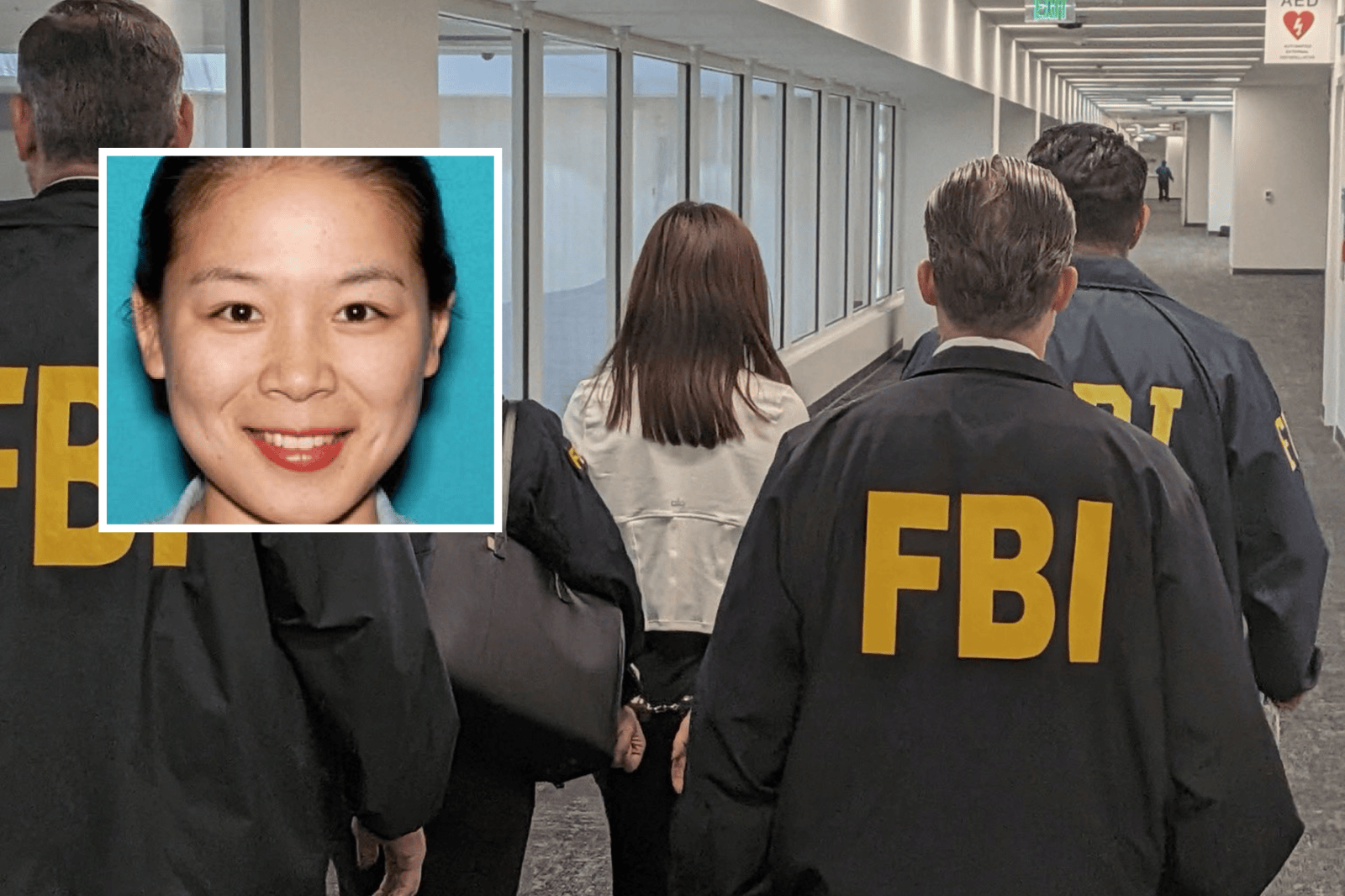
Recent events underscore ongoing espionage concerns. Orange County realtor Wanying Zhang, also called ‘Heather,’ was apprehended before boarding a flight to Shanghai. The FBI accuses the 34-year-old of acting as an unregistered agent for China. Her connections with Chinese intelligence were revealed through investigations and her past associations at the University of International Relations in Beijing.
Beijing’s Espionage Strategy
Zhang’s background hints at her intelligence ties. Originally from Hunan province, she moved to the U.S. in 2014, attending the University of Southern California for a master’s degree. Known for her aspirations to retire early and travel, Zhang’s career as a realtor involved numerous sales in Southern California.
Investigations suggest Zhang was recruited at her university, often linked with China’s Ministry of State Security (MSS). Her recruitment involved discreet meetings in China, where her tasks were assigned. The FBI alleges that Zhang monitored Taiwan President Lai Ching-te’s family in Seattle, capturing detailed information and sending it to her Chinese handler via WeChat.
The FBI gathered evidence, including security camera footage and data from Zhang’s iCloud account. This led to her arrest at Los Angeles International Airport. FBI Director Kash Patel highlighted the gravity of her actions, viewing them as a clear breach of U.S. security.
Zhang’s Legal Situation
Zhang faces charges under 18 U.S.C. § 951 for acting as an unregistered foreign agent. If convicted, she could receive a federal prison sentence of up to 10 years. FBI Special Agent Kevin Holt noted the absence of any clear personal or commercial gain from Zhang’s surveillance activities. The Chinese government denies awareness of Zhang’s actions, labeling allegations as attempts to vilify China.
China’s Steadfast Espionage Efforts
China’s strategies often employ non-traditional methods, leveraging individuals and civil groups to exert influence. The U.S. struggles to counter these tactics due to their subtlety, complicating legal prosecution. Beijing’s clear objective regarding Taiwan is part of broader military and political strategies. By acquiring detailed intelligence on Taiwan’s officials, China aims to strengthen its position in potential conflicts.
Surveillance operations targeting Taiwan’s government figures in the U.S. represent a stark deviation from standard diplomatic engagements. Special Agent Holt emphasized that these actions align more with espionage than diplomacy.
This case, reflecting broader espionage dynamics, underscores China’s commitment to maintaining an aggressive intelligence stance. Even with setbacks, China continually refines its approach, adapting to challenges in pursuit of its objectives.