
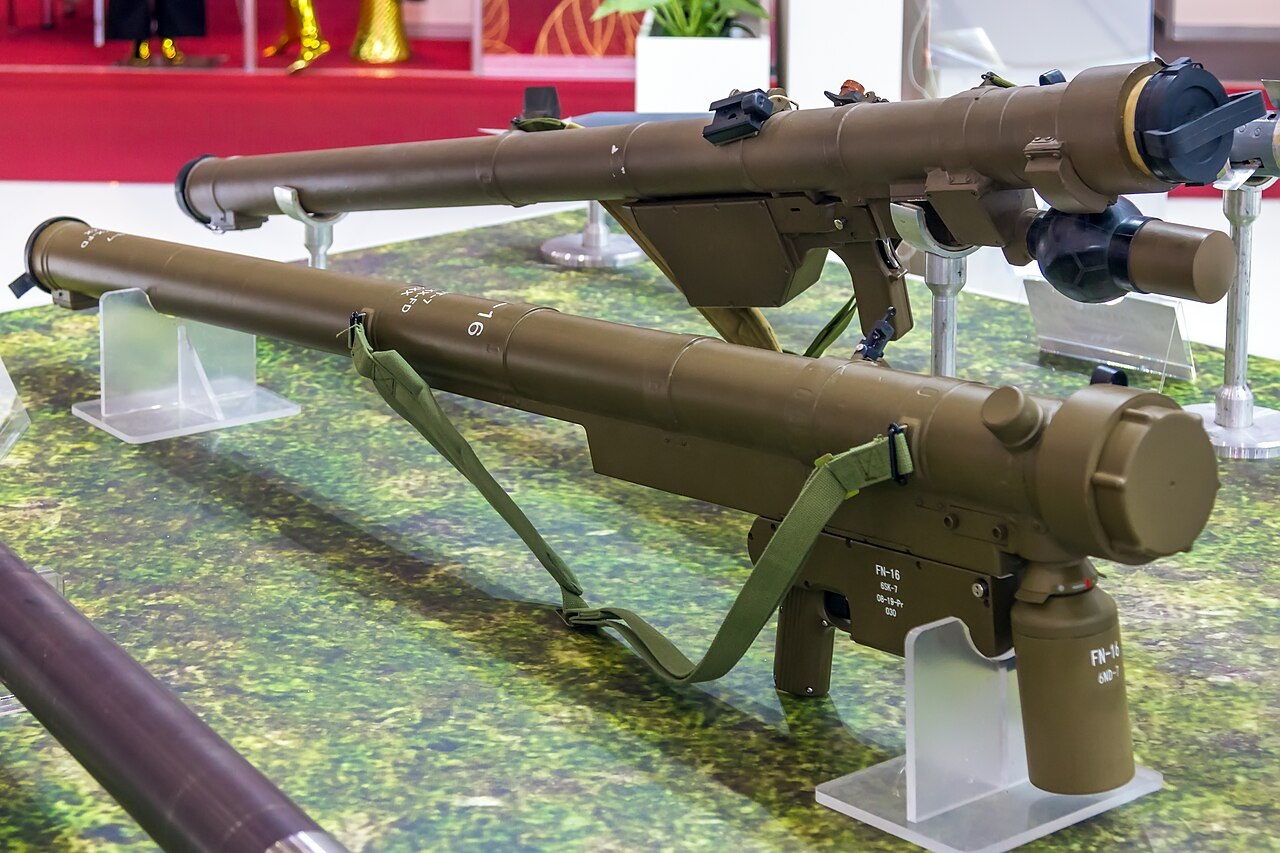
A Chinese firm plans to provide Iran with numerous portable anti-air missile systems as Iran aims to restore air defenses impacted by U.S. and Israeli assaults, according to Reuters. This revelation follows statements by U.S. President Donald Trump that Chinese leader Xi Jinping assured him Chinese enterprises wouldn’t furnish arms to Tehran.
Despite China’s political alliance with the Iranian government and condemnation of U.S.-Israeli strikes since they commenced on February 28, Beijing’s direct involvement remains limited. It continues to focus on behind-the-scenes diplomacy and reportedly assists Iran with satellite images of U.S. military positions in the Gulf region.
Delivery Plans
Iran and Zhongqing Baoshang International Investment have reportedly signed a $60-70 million contract for 300-400 shoulder-fired man-portable air defense (MANPAD) systems. Anonymous sources, due to the sensitive nature of the transaction, revealed this information to Reuters. The Hong Kong intermediary represents the Chinese supplier, with the shipment to include FN-16 and QW-12 missile systems.
Beijing-based Zhong Qing Bao Shang Group, the parent company, did not respond to Newsweek’s email inquiry for comments. Newsweek sought feedback from the Chinese and Iranian foreign ministries by email as well.
According to the outlined plan, the weapons will first be flown from Urumqi in China’s Xinjiang region to Pakistan, then moved to Iran. The route’s second leg could proceed by air or road, with specifics like quantities and schedule subject to adjustment, per Reuters’ sources.
Official Responses
The Chinese Foreign Ministry rejected the report as “completely groundless,” and a Pakistani military spokesperson termed it “absolutely concocted and false.” In contrast, a White House official told Newsweek, “Nothing any outside actor is doing to help Iran increases their ability to target Americans.”
Trump’s Assurance from Xi
During Trump’s state visit to Beijing in May, Xi affirmed no weapons would be transferred to Iran “under any circumstances,” including through Chinese companies. Trump reiterated this assurance on July 24 via Truth Social, noting Russian President Vladimir Putin similarly pledged not to arm Tehran.
The U.S. paused its air campaign against Iran on Saturday to enable diplomatic efforts after 13 days of strikes in retaliation for Iranian attacks on commercial shipping in the Strait of Hormuz and on Gulf-based U.S. allies. The U.S. and Iran declared a ceasefire on April 8, agreeing to pursue lasting peace, facilitated by Pakistan, over 60 days.
China’s C-802 anti-ship cruise missile, and its Iranian derivatives, have been reportedly used in hostile actions. The Yemen-based Houthis, receiving such systems, have launched rockets targeting Saudi oil tankers amid their blockade in the Red Sea responding to Saudi military involvement in Yemen.
In February, just before the U.S. and Israeli offenses, Reuters indicated that Iran was nearing an agreement to procure China’s CM-302 supersonic anti-ship missiles.