
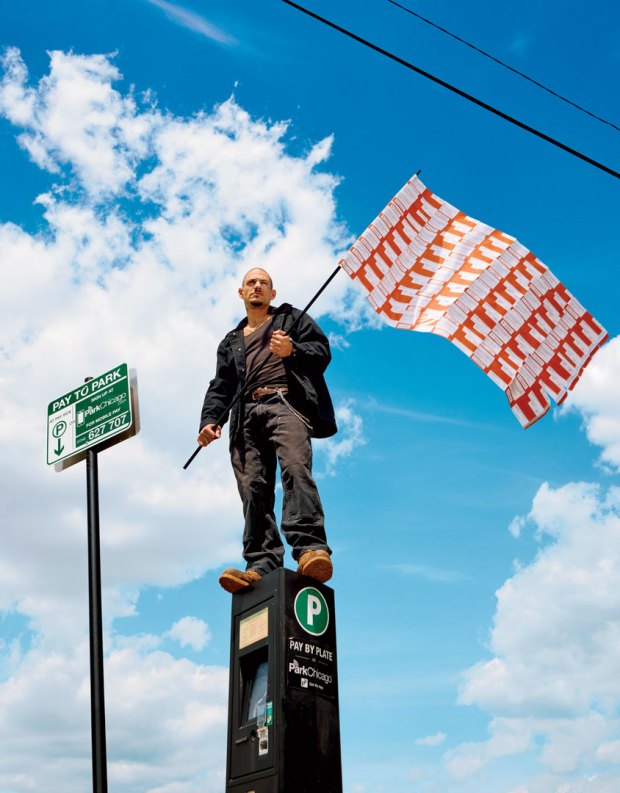
Growing up, many fail to anticipate the minor ongoing frustrations that come with adulthood. Such inconveniences add layers of annoyance to daily life. Picture potholes, paper straws, or air travel. That’s how some people feel about paying for parking, especially in Chicago.
The Parking Meter Issue
In 2008, Chicago, led by Mayor Richard M. Daley, struck a deal handing over control of parking meters to investors, led by Morgan Stanley Infrastructure Partners. They exchanged management for $1.16 billion. Now, years later, the deal proves disadvantageous for Chicago, with revenues more than the deal’s worth.
Many residents like Chester, cleverly circumvent challenges embedded in this system. Facing costly parking, he realized that if he paid his tickets and skipped meter payments, it actually cost less. Thus, he gamed the system to his financial benefit.
Chester’s Strategy
Chester discovered that the revenue from parking tickets went to the city, whereas meter fees lined the pockets of investors. His calculation found him saving $1,500 over two years by opting to pay tickets selectively.
Analyzing the Deal’s Context
The problematic parking meter lease deal was pushed through during a financial crisis, leaving the City Council with limited choices. As per experts like Justin Marlowe, Chicago’s offloading of parking assets was dramatically short-sighted. City assets lost for short-term monetary gain meant hefty payouts whenever spaces were removed.
The Fallout from Poor Preparation
Chicagoans reacted negatively when CPM hiked meter rates without updating technology. This backlash points to shortcomings in the rollout and management of the deal.
Despite grievances, implementation has seen fully digitized systems, job creation without city expense, and revenue improvements. Rates, comparable to those in New York, reflect broader national pricing trends.
The Potential for Change
Efforts to redistribute meter locations aim to alter the financial burden, a process complicated by the need for council collaboration and city coordination.
As economic shifts and technological advances render traditional revenue models unreliable, doubts cloud ownership benefits. Consequently, CPM is selling the lease, and a New York firm, Stonepeak Partners, is willing to step in worth $2.53 billion.
Future of Chicago Parking
Some experts see opportunities for the city in public-private partnerships, despite tarnished views due to this lease. As needs evolve, exploring innovative financial routes may become imperative.
A Need for Pragmatic Solutions
As residents like Chester experiment with temporary workarounds, a mass refusal to adhere could invite fiscal consequences, suggesting a need for informed discourse on effective solutions.
Ultimately, the parking meter saga serves as a cautionary tale for municipal finance, underscoring the importance of thorough planning and strategic privatization.