
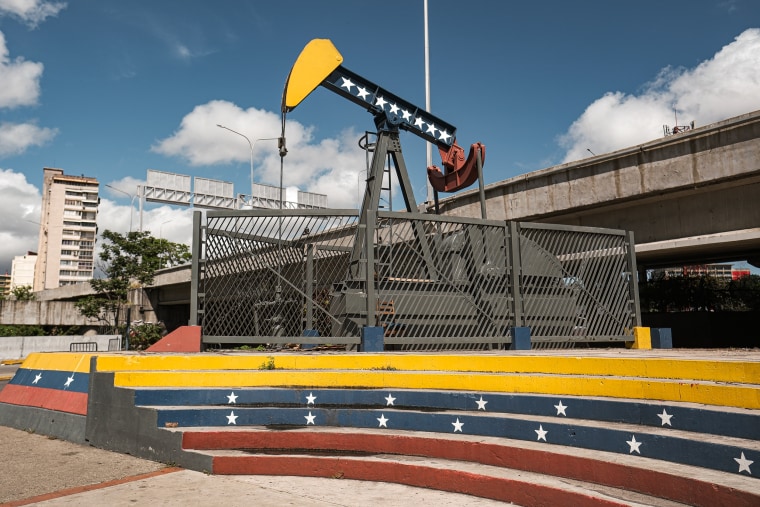
Chevron’s Expansion in Venezuela
Chevron, the only U.S. oil company significantly present in Venezuela, is expanding its operations following a deal announced by President Donald Trump. This ambitious agreement aims to tap into Venezuela’s vast oil reserves and promises to involve the Pentagon in the profits.
Chevron revealed that it has received additional acreage in the Orinoco Belt, an area where it already operates actively. The company plans to invest over $7 billion in the next five years. This investment aims to increase production more than double, reaching approximately 600,000 barrels a day.
“Chevron’s history in Venezuela spans more than a century, and our expanded position reflects our confidence in the country’s deep resource potential,” said CEO Mike Wirth.
Venezuela’s Oil Reserves
According to the 2025 Annual Statistical Bulletin from OPEC, Venezuela possesses the world’s largest proven oil reserves, estimated at over 303 billion barrels of crude oil. In comparison, Saudi Arabia holds 267 billion barrels.
Despite its substantial reserves, Venezuela’s daily oil production remains low due to deteriorated energy infrastructure and international sanctions. Currently, Venezuela produces slightly over 1 million barrels daily, whereas Saudi Arabia yields between 10 and 11 million barrels each day. In contrast, the United States generates nearly 14 million barrels per day.
U.S. Deal with Venezuela
U.S. Energy Secretary Chris Wright was present at a ceremony in Venezuela’s capital, where Chevron and other companies, including Italian oil company Eni, signed agreements with Venezuela’s government. Wright stated that President Trump’s mission is to promote peace, freedom, opportunity, and prosperity for the Venezuelan population.
Expectations from the agreements include tens of billions of dollars in investments and the creation of many thousands of jobs, aiming to start a cycle of opportunity and prosperity for Venezuela.
Controversy and Skepticism
Despite the promising outlook, experts express skepticism regarding the revival of Venezuela’s oil industry. They argue it will take years of effort due to prolonged neglect.
Questions arise about whether Venezuela’s acting president has the authority to grant 100-year rights over 17 oil fields to North American Blue Energy Partners. Concerns about potential challenges from future Venezuelan or American administrations persist.
Ian Vásquez from the Cato Institute argues that the deal lacks legitimacy since it was agreed with a government accused of significant electoral fraud. Consequently, future Venezuelan democracies might challenge the validity of the arrangement.
Official Responses
During a joint press conference with Venezuela’s acting president, Chris Wright addressed criticisms, emphasizing the benefits for both Venezuela and the U.S. Wright highlighted a transformation of underground resources into wealth, improving lives in Venezuela and enhancing energy supplies to the U.S.
Historical Hesitation
The hesitation of U.S. oil majors to return to Venezuela stems from past experiences. Venezuela nationalized its oil industry in 1976 and later reclaimed foreign companies’ assets in 2007 under President Hugo Chávez.
Chevron agreed to a joint venture with the Venezuelan state in 2007, whereas Exxon and ConocoPhillips refused, resulting in asset confiscations.
Although President Trump claims the agreement might significantly lower U.S. gasoline prices, analysts continually warn about the extensive work required to rehabilitate Venezuela’s oil infrastructure.
Amy Jaffe from New York University notes, “It could take 2 to 4 years to get new greenfield facilities online in the Orinoco region.”
Amidst these developments, AAA reports a rise in average gasoline prices, reaching $4.12 per gallon, marking an increase of 93 cents from the previous year.