
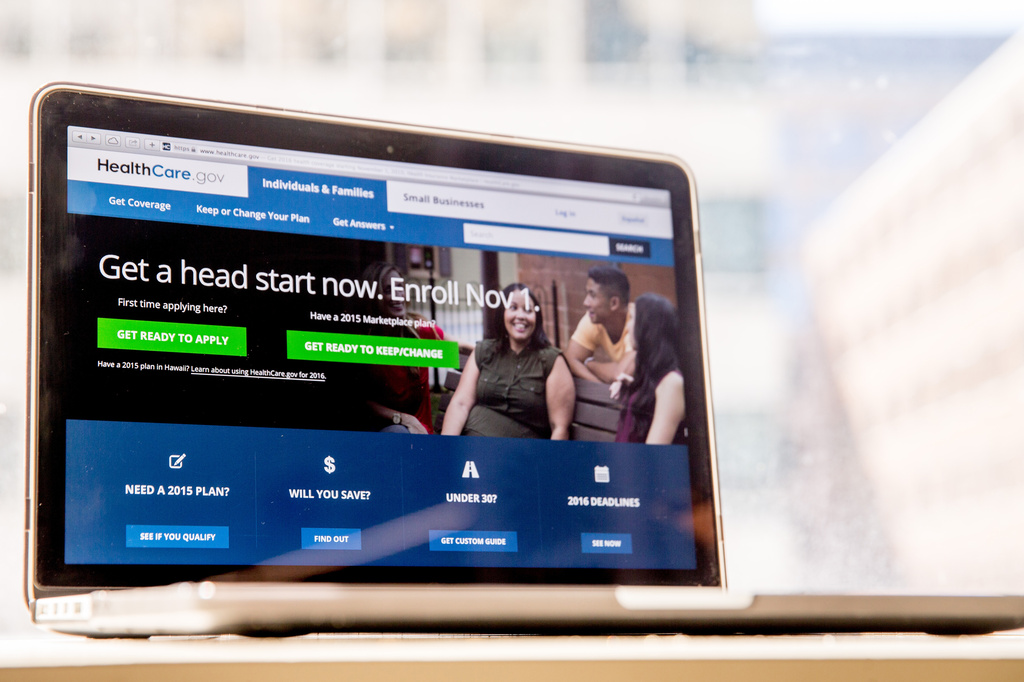
The HealthCare.gov website allows individuals to purchase health insurance plans. In recent years, the significant influence and financial power of health insurers have become evident. The seven largest for-profit health insurance companies accumulated revenues of nearly $1.7 trillion in 2025, resulting in at least $54 billion in profits. Despite these substantial figures, there are concerns about how these profits are managed due to the potential to conceal financial gains.
Although profit is a cornerstone of capitalism, reliance on taxpayer money by insurers raises questions. Notably, UnitedHealthcare, a leading healthcare provider, derives over 77% of its income from government programs, despite a larger number of enrollees in its commercial insurance plans. This dependence juxtaposes with their strong advocacy to maintain ObamaCare subsidies.
Since 2015, these major insurers have spent over $137 billion on share buybacks. These actions raise ethical concerns as they can inflate stock prices, enhance executive compensation, and obscure financial weaknesses. Historically, share buybacks were deemed a form of market manipulation and were predominantly illegal. These practices create financial burdens for patients who face increasing healthcare costs instead of seeing reduced insurance premiums.
The situation results in a quasi-oligopoly extracting almost $2 trillion annually from Americans while often denying necessary care. The surge of pre-authorizations, denials, and out-of-network issues worsens patient care accessibility, primarily benefiting executives and shareholders.
Vertical integration and its associated costs align with the objectives of ObamaCare, a law heavily influenced by insurance companies. A proposed solution involves dismantling these large enterprises and eradicating for-profit health insurance to diminish bureaucratic expenses, which contribute little to patient health.
Healthcare expenses, such as emergency room visits or essential medicines, should not financially devastate patients. The American healthcare dilemma calls for scrutiny of all sectors complicating patient lives. While several factors contribute, the practices of health insurance giants rank among the most concerning.
There is growing awareness and response from the public and lawmakers, including Congress. These issues are gaining bipartisan recognition, reflecting an increasing call for accountability among health insurers.
Greg Murphy, M.D., serves North Carolina’s 3rd District and co-chairs the Congressional Doctors Caucus.