
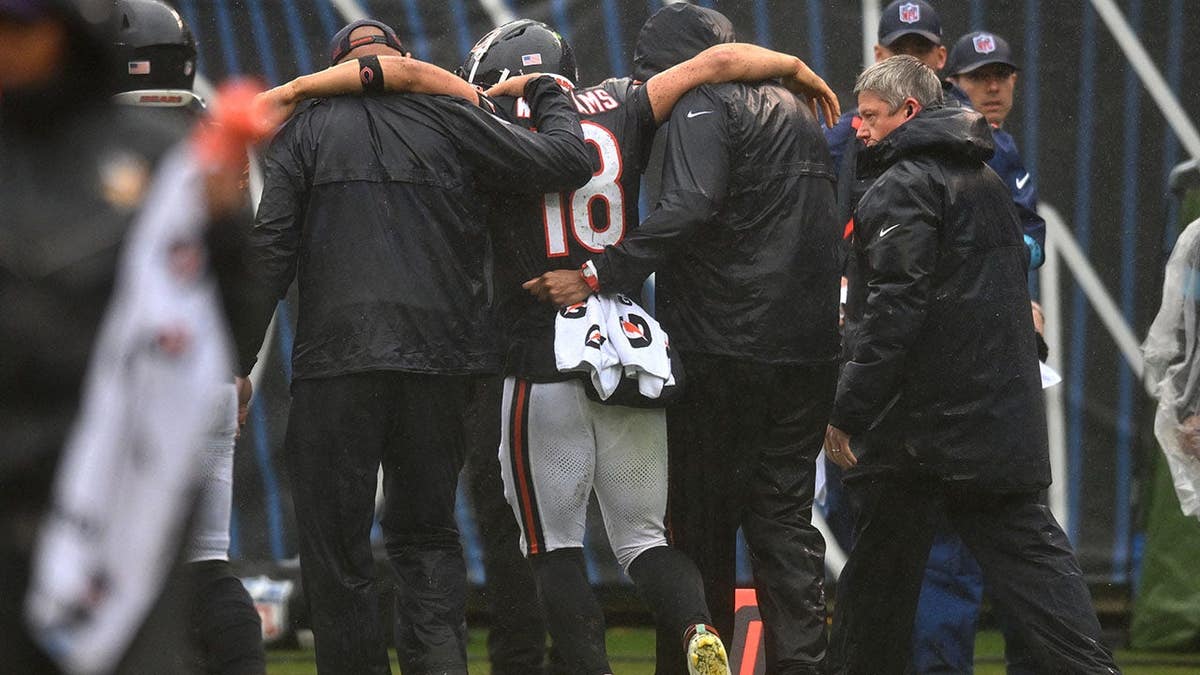
Back in 1979, Hall of Fame linebacker Jack Lambert commented on the NFL’s tightening rules regarding roughing the passer. He sarcastically suggested putting dresses on quarterbacks to highlight the changes. With evolving rules in the league, these changes aim to protect quarterbacks, yet injuries continue to occur.
Entering Week 4 of the current season, six starting quarterbacks have already faced injuries. Despite rules, players in this key position frequently end up sidelined. Even with measures in place, the game still leads to untimely injuries for quarterbacks.
Pro Football Hall of Fame quarterback Dan Fouts discussed this issue with OutKick. He stated that further rule changes won’t necessarily limit quarterback injuries. He remarked on Lambert’s famous quote, saying it made sense, humorously noting that he had good legs. Fouts emphasized the violent nature of the game, a factor contributing to persistent quarterback injuries.
Players have become larger, faster, and stronger, and defenders possess significant athleticism. These conditions make it inherently challenging to fully protect quarterbacks. Fouts added that effective protection comes not from rule changes but from improved performance upfront by offensive lines.
The New York Giants face a challenging season after their starting quarterback, Jaxson Dart, underwent surgery on his meniscus, ending his season. Other quarterbacks like Sam Darnold, Kyler Murray, Caleb Williams, Jayden Daniels, and Baker Mayfield have all dealt with injuries but are expected to return.
Some teams, such as the Seahawks and Giants, have managed wins with backup quarterbacks, but their offenses struggled to maintain the same level of performance without starters.
Fouts, a Hall of Fame inductee in 1993, has extensive experience in the sport. He played 15 seasons with the San Diego Chargers after being drafted in 1973 from Oregon.
In the end, teams can primarily rely on better performance from their offensive lines to protect quarterbacks. While injuries are a part of the game, a third-string quarterback often signals a downturn in the team’s prospects for the season.