
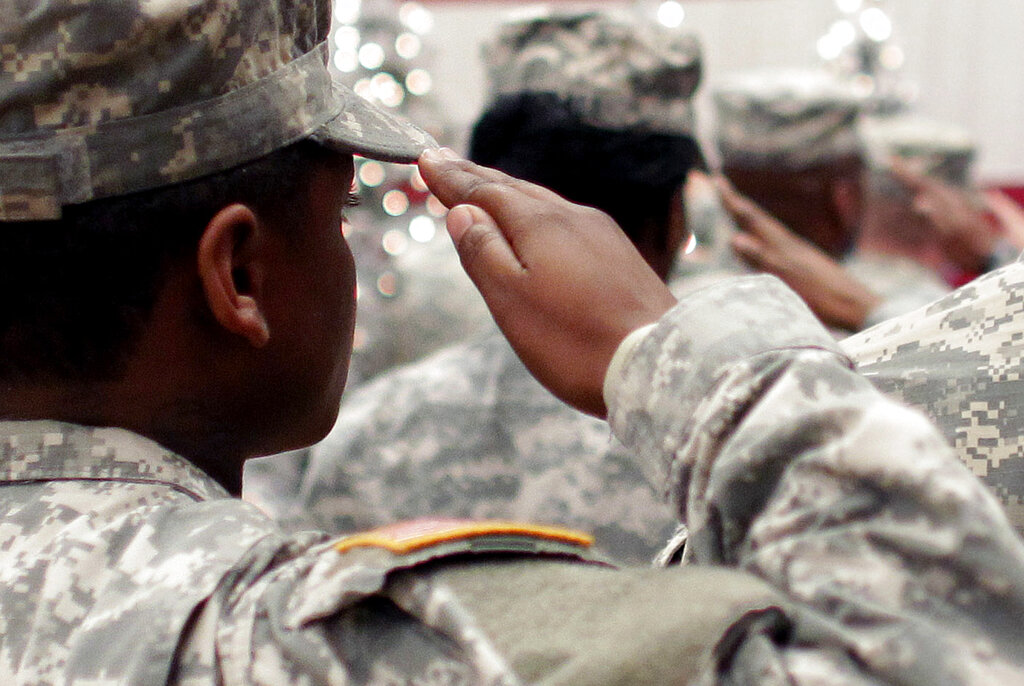
In a 2012 image, soldiers salute the U.S. flag during a ceremony welcoming troops back from Afghanistan. This visual encapsulates an essential commitment the U.S. makes to its veterans through the GI Bill, promising them the chance for a debt-free college education after service.
Currently, the U.S. military sees its most successful recruiting phase in over ten years. The Navy recruited 45,000 new sailors, achieving their goal three months early, while the Army met its target of over 61,500 soldiers four months ahead of schedule. Congress enabled an increase of 26,100 troops this fiscal year. Many Americans volunteer, trusting the country’s promise of post-service opportunities, especially in higher education.
Educational benefits are a major draw for over half of military recruits. Yet only about 30% of veterans have a bachelor’s degree. Colleges play a significant role in national security by impacting the military’s recruitment and retention, as they need a credible offer of opportunity after service. Proper support in higher education is vital for the country to maintain this promise.
Firsthand experiences highlight this connection. Earning a master’s in organizational leadership from National University while serving in the Air Force demonstrated how education reshapes leadership and service contributions. The university’s system catered to military schedules with its flexible, four-week, year-round online courses.
However, many service members lack such access. Traditional academic calendars cater to fresh high school graduates, expecting 16 uninterrupted weeks over four years, unsuitable for troop deployment cycles. The same challenges face reservists, military spouses, and veterans with full-time jobs.
Scheduling is only part of the problem.
Service members often enter campuses with diverse challenges, from PTSD to physical disabilities. Nearly half of student veterans use mental health services via the Department of Veterans Affairs. However, only 54 institutions offer on-site VA clinical care through federal programs, highlighting a gap in support.
Moreover, many service members experience moral injury, enduring distress from service experiences that clash with personal ethics. Understanding and trust from faculty, as experienced by many veterans, fosters resilience and academic success.
Another issue is translating military experience into academic credit. Service members often possess advanced skills not recognized by colleges, forcing them to retake education they have already mastered. Acknowledging prior learning can expedite degrees and affirm the value of skills gained during service.
Finally, connecting military students with post-graduation opportunities is crucial. Degrees should lead to careers, with advisors helping veterans translate military experiences to civilian contexts and aligning training with job markets. Integrated career services and advisory programs ensure a seamless transition from military to civilian life.
The power of word of mouth shapes recruitment. A veteran’s negative college experience impacts future enlistment decisions within families. As more Americans enlist, keeping the educational promise to veterans is imperative.
Philip “Flip” West, an alumnus of National University and UCLA, shares insights on these issues. His views represent individual perspectives, distinct from official military stances.