
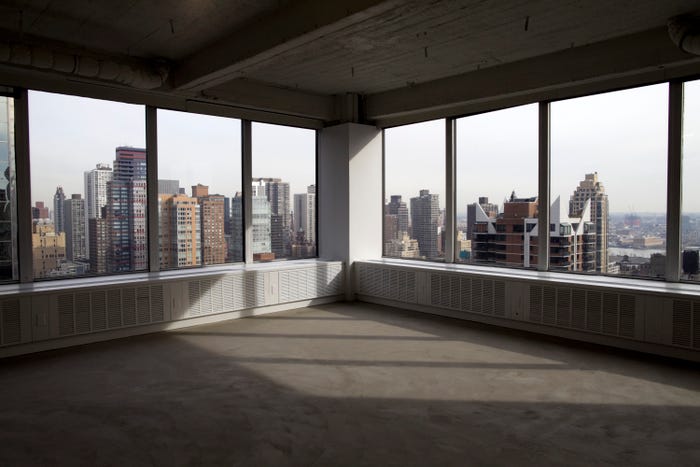
America’s office market has avoided several predicted downturns in recent years. Despite the COVID-19 pandemic and looming debt maturities, the anticipated crises did not fully materialize. However, the situation has shifted, raising new concerns.
This year, bond yields have increased due to market adjustments for inflation and rates. This rise is influenced by global conflicts and uncertain fiscal conditions, prompting fears about higher borrowing costs destabilizing the commercial real estate market, especially the “Class B” properties in smaller areas struggling with remote work trends.
Market Distress Indicators
The office sector, a part of the broader commercial property market, is already experiencing increased distress. Borrowers face refinancing challenges as rates are expected to remain high. Real estate experts suggest defaults could rise, leading to property devaluations of up to 40%.
According to Trepp, issues in the U.S. office market have nearly reached a peak. The delinquency rate for commercial mortgage-backed securities (CMBS) tied to office loans has hovered around 12% for nearly a year, rising from 2.5% in 2021. The sector has seen newly defaulted loans reach $6.8 billion within the first nine months of the year. MSCI estimates over 20% of offices with maturing loans in late 2026 owe more than their current values.
The Property Price Index from Trepp, measuring commercial valuations, has dropped by nearly 16% since 2021. Commercial mortgages pegged to Treasurys face growing stress, with yields spiking this year.
Economic Implications
Rob Koonin from Polsinelli in New York estimates that the full impact of raised rates on valuations could take up to a year to appear, possibly causing a 10% decline for some properties.
Koonin emphasizes that already struggling borrowers will face significant challenges, while stressed buildings might see valuation drops up to 40%. Lonnie Hendry of Trepp notes borrowers may need to add equity to refinance their loans.
Lenders now require more immediate equity from borrowers amid rising rates, reducing flexibility in loan modifications. Debt complexity in commercial real estate can transform even slight rate changes into substantial economic impacts.
Borrowing Challenges
With around 45% of post-2022 office loans having floating rates, borrowers face challenges during refinancing at current rates. Lenders may charge more to mitigate default risks, requiring innovative financing or additional equity from borrowers.
Tighter lending conditions have reduced the practice of “extend and pretend,” where lenders would extend loans in hopes of improving future conditions. The net operating income now holds less future value, prompting stricter refinancing rules.
Managing Losses
Lenders must decide to either accept the non-working loan or sell assets at discounts, often avoiding loss acceptance. With $22 billion in office CMBS loans maturing in 2027, concerns spike, particularly since half the debt originated during low borrowing costs.
The market may stabilize once troubled properties achieve realistic value adjustments, leading to increased activity and occupancy. The current focus is on determining which parties will absorb these inevitable losses.