
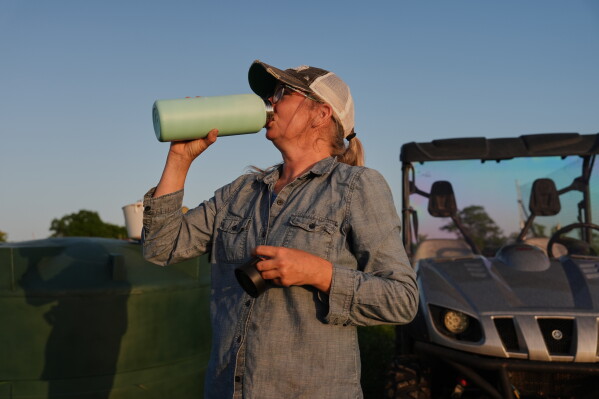
At sunset, Annie Woods harvested squash and zucchini on her 50-acre farm in Brooksville, Ky. The lingering heat reflected a climate change-induced pattern of weather extremes, including severe floods and droughts. Such conditions affect farmers by shortening planting windows and risking crop loss due to early-season heat followed by unexpected freezes.
Woods acknowledged these heat waves are becoming a regular occurrence. The recent heat dome, a high-pressure system trapping heat and humidity, challenged specialty farmers growing fruits and vegetables. Human-driven climate change leads to more extreme weather conditions. These farmers adapt by adjusting harvest schedules to cooler times, but lack the safety nets available to commodity crop farmers like corn and soybeans.
Melissa Widhalm from the Midwest Regional Climate Center emphasized the significant health risks heat waves pose to farmworkers. Woods manages her farm labor by working early mornings and late evenings, breaking often for water, and using hand tools rather than machinery. To cope with extreme heat, she pitches tents for shade during harvests.
Impact on Crop Quality and Techniques to Mitigate Damage
High temperatures and humidity not only threaten worker health but also crop quality. Woods focuses on harvesting vulnerable crops, like salad greens, and growing vegetables and culinary herbs for local restaurants and a community agriculture program. Hot weather affects crop quality, and Woods watches over her seedlings in cooler barn cabinets and greenhouses with fans.
Annie Woods emphasizes frequent monitoring and watering to sustain young plants. Heat-damaged celery can be seen resting inside a greenhouse as a consequence of adverse weather.
Adapting Harvest Schedules
Farmers like Paul Rasch adjust harvest schedules due to heat. In Iowa, Rasch’s team began picking raspberries at 6 a.m. to avoid intense midday heat. They’ve added outdoor shade and tested high tunnels to maintain steady conditions for their crops. He notes that irregular weather patterns now dominate each farming year.
The Challenge of Accessing Insurance
Farmers diversify crops to shield against climate impacts. However, insurance challenges arise for specialty crop farmers compared to commodity counterparts. Woods experiences difficulty accessing insurance for her varied crops, as federal programs cater to single-crop farmers like corn and wheat producers. Duncan Orlander from the National Sustainable Agriculture Coalition highlights the difficulty insurers face in offering policies for small-scale, diverse farms.
Despite the availability of revenue-based federal insurance policies, complications limit their utilization. These policies don’t adequately address the rapid weather-related losses farmers suffer. Orlander stresses innovative strategies for mitigating risk and addressing future losses.
Resilience and Community Support
Woods’ community-supported agriculture program allows her flexibility during crop failure. Customers support her farm for the entire season, regardless of what vegetables are available. She manages risks from heat, floods, and drought through diverse crop planning.
Remaining aware and having a resilience plan is critical, according to Woods. Crop diversity and community involvement serve as her safeguards against extreme weather events.
Associated Press maintains important climate and environmental content, supported by private philanthropies. More details on AP’s collaborations are available on their website.