
Canada’s World Cup Performance
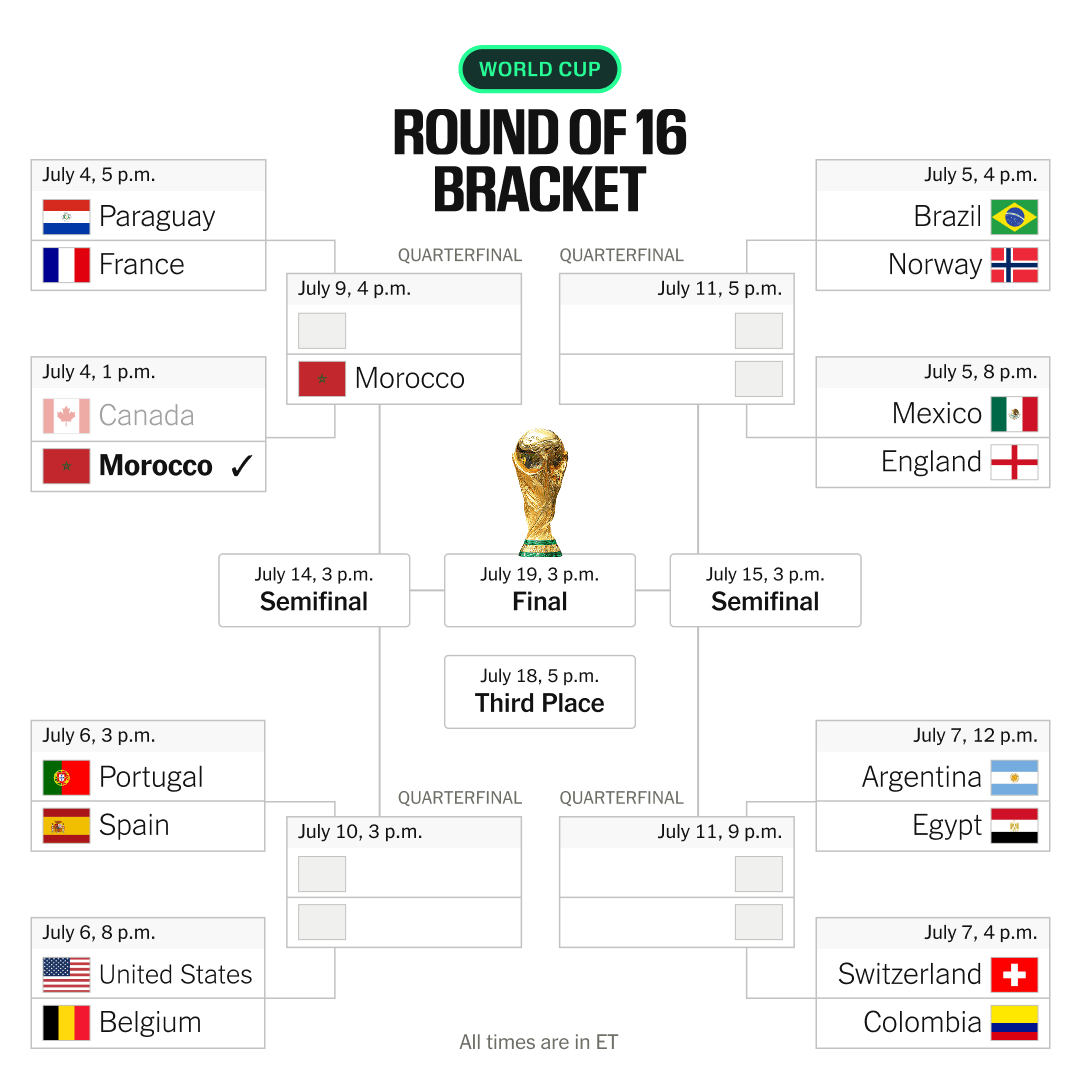
Canada’s World Cup dream concluded with a 3-0 defeat to Morocco, resulting in their exit from the tournament at the round of 16. For the first time, Canada accumulated a point at this World Cup, drawing against Bosnia and Herzegovina and later defeating Qatar. Advancing from Group B, Canada also defeated South Africa in the round of 32. Despite this, they could not surpass Morocco, a team that reached the semi-finals in 2022, who proceeded to the quarter-finals.
First Half Tactics
During the first half, Canada performed commendably, keeping Morocco on the defensive. However, they failed to create significant chances. Morocco suffered an early setback when Ismael Saibari left the field due to injury in the 22nd minute. After a challenging first half, Morocco adjusted and capitalized on opportunities after the break.
Second Half Strategy
A set-piece in the 50th minute allowed Azzedine Ounahi to score from the edge of the box. Ounahi’s second goal in the 82nd minute extended Morocco’s lead, with Soufiane Rahimi securing the victory in added time.
Canada’s ambition in their gameplay kept Morocco on edge, highlighting their potential for future tournaments. However, they lacked strategic game management, a skill likely to develop with more experience.
Morocco’s Continuing Success
Morocco, after defeating Canada, shows remarkable growth and potential as a strong contender. Their previous performance in the 2022 World Cup left a mark, and they have continued to strengthen their squad. The victory over Canada is a testament to their ongoing strategic and tactical prowess in international football competitions.
Absence of Key Player Alphonso Davies
Despite Canada’s notable advancements, questions linger regarding Alphonso Davies’ participation. Entering the tournament with a hamstring injury, Davies only made a single substitute appearance. His absence, particularly during Canada’s final game, has sparked debate over his fitness and the decision to include him in the squad.
Physical Gameplay and Fouls
Canada’s strategy under Coach Jesse Marsch emphasized physicality and intensity. During the match, they committed 15 fouls in the first half and encountered issues with referee decisions. While maintaining pressure, this physical approach led to more fouls than shots, impacting their overall performance.
The game’s physicality was evident, with eight yellow cards issued, marking a high for the 2026 World Cup.
Adjustments After Saibari’s Injury
Ismael Saibari’s injury in the first half was a setback for Morocco. Renowned for his attacking prowess, Saibari’s absence initially hindered Morocco’s performance. Still, with tactical adjustments and effective use of set pieces, they managed to secure the victory.
Canada’s Missed Opportunities
Despite Canada’s dominance in the first half, their inability to convert territory control into goals was a significant setback. Morocco’s effective use of set pieces to secure the lead in the second half highlighted Canada’s missed opportunities to score during their most proactive period.
Overall, while Canada’s World Cup journey ended, their accomplishments during the tournament have laid a strong foundation for future competition performances.