
Prime Minister Mark Carney has indicated that Canada might pivot towards automakers in countries like China amidst trade tensions with the U.S. This shift could heavily impact Michigan’s economy.
Carney praised Canadian auto workers, expressing a desire for their full involvement in the North American market. He noted that trade measures during Donald Trump’s presidency have disrupted market integration.
Carney remains in talks with Washington for Canadian workers’ sake but is exploring alternatives if these talks fail. Options from Europe and Asia, including China and Japan, are being considered.
These remarks preceded Carney’s meeting with China’s President Xi Jinping. Discussions focused on tariff reductions and collaboration on electric vehicles. Trump’s threat of a 100 percent tariff on Canada if it makes deals with China looms large.
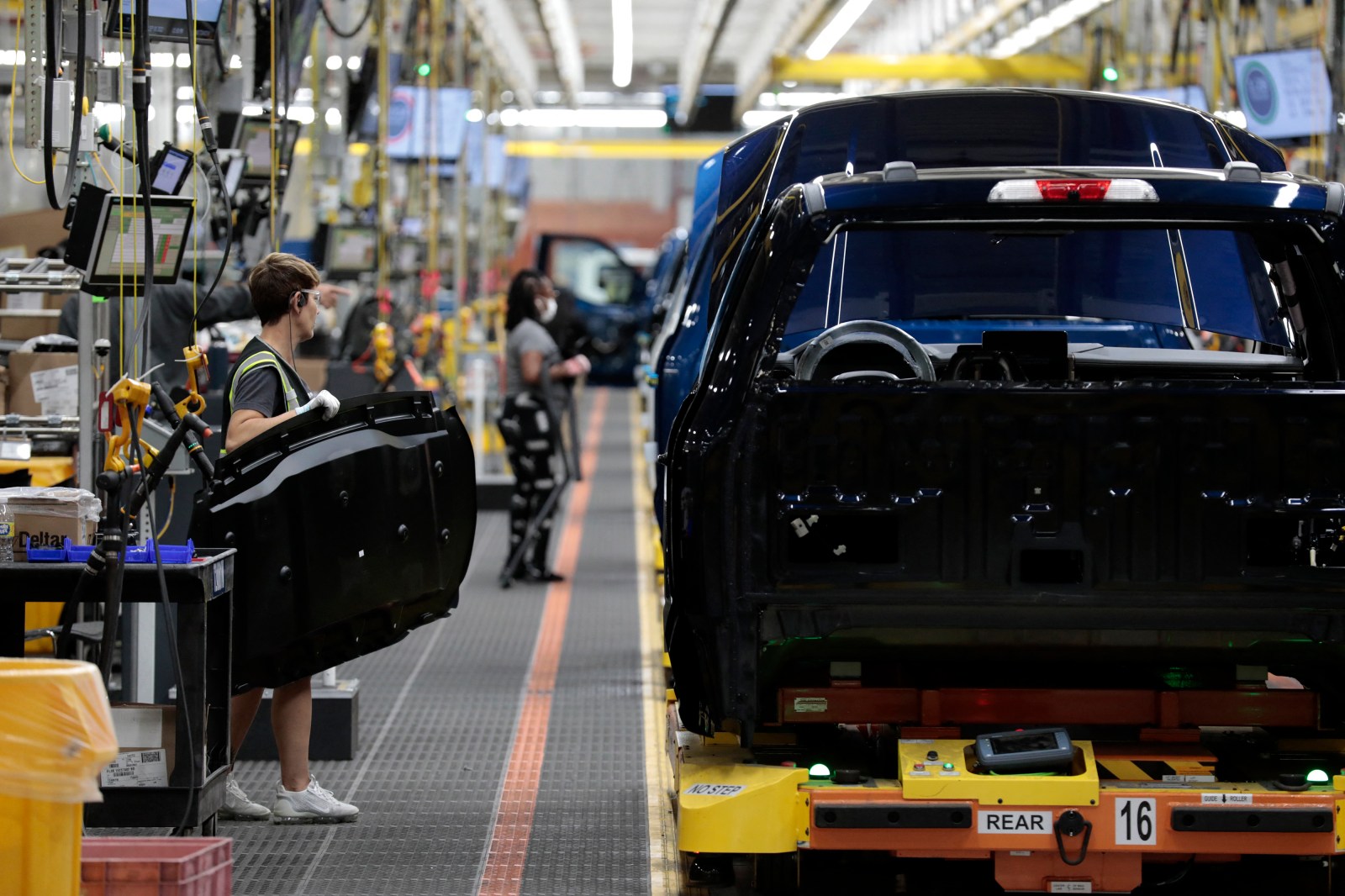
Michigan’s auto sector, closely linked with Canada’s, faces potential repercussions. Components often cross the border multiple times during vehicle production. Michigan exports between $21 billion and $22 billion in vehicles and transportation equipment annually to Canada, a key part of its economy.
Jason Miller of Michigan State University noted that Canada importing non-U.S. cars from Asia or Europe could negatively affect Michigan’s auto suppliers. Conversely, if Canada attracts non-U.S. automaker assembly plants, it could benefit Michigan.
Job losses in Michigan are a real possibility, with Isely highlighting a potential loss of a billion dollars in the market due to increased imports of Chinese electric vehicles by 2030.
Disruption for Detroit’s leading automakers—General Motors, Ford, and Stellantis—may ensue, along with supply chain issues, Wayne State University’s Jeff Rightmer stated. Broader effects could include slowed job growth and rising costs for households, affecting local businesses.
Erik Gordon from the University of Michigan suggested short-term negative impacts might eventually lead to more autoworker jobs moving to Michigan from Canada, due to the U.S.’s larger auto market.
U.S.-Canada Relationship Tensions
The longstanding friendly relationship between the U.S. and Canada has cooled during Trump’s term. His administration has placed tariffs on Canadian goods, with Canada responding in kind.
Carney described trade relations under Trump as akin to a “war.” Such swings in policy reduce confidence in the U.S. as a stable trade partner, prompting Canada to explore ways to mitigate risks.
Progress in U.S.-Canada Trade Talks
Negotiations to end the trade war are ongoing. Canada aims for a deal with the U.S. to lift tariffs on steel, aluminum, and automobiles. Dominic LeBlanc, Canada’s minister of internal trade, remains hopeful for a beneficial deal.
LeBlanc stressed the importance of rapid progress and ensuring any agreement serves Canada’s economic interests. Canada is ready to act quickly if a favorable partnership is on the table.
Indicators of Change
Significant changes might include capital investments, legal adjustments, and alterations to supply chains, according to Rightmer. How major automakers respond over time will indicate their view on these disruptions’ permanence.