
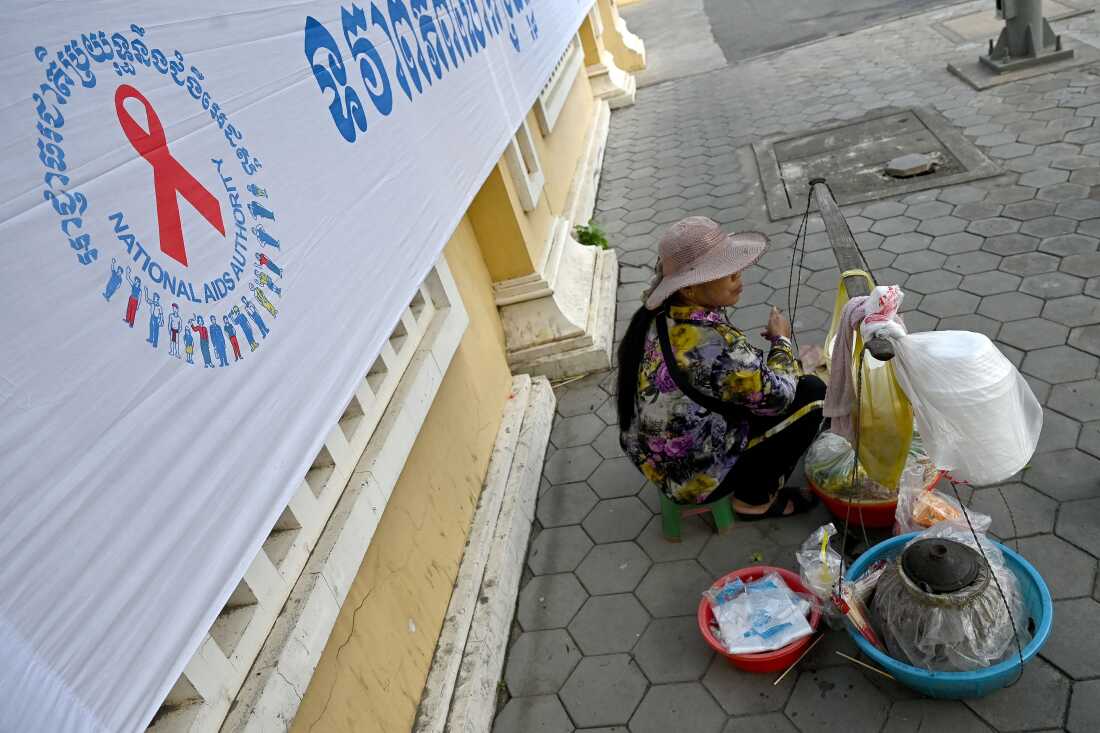
Cambodia has become the first country in Asia to meet the U.N.’s targets for controlling HIV. While only 11 countries worldwide have achieved this milestone, Cambodia stands out as a leader in the Asia-Pacific region. These targets, set by UNAIDS in 2020, require that 95% of people living with HIV know their status, 95% of those are on treatment, and 95% of those on treatment have suppressed viral loads. Suppressed viral loads mean a minimal risk of transmitting the virus to others.
The success of Cambodia is notable, especially as many countries, including affluent ones like Japan and South Korea, face challenges in reaching these goals. Dr. Annette Sohn, from amfAR’s TREAT Asia program, attributes difficulties in many regions to stigma surrounding HIV. Stigma can prevent people from getting tested or seeking treatment, making healthcare navigation challenging for those with HIV.
Community-Led Strategies
Advocates in Cambodia have focused on creating healthcare environments where people feel accepted. This approach has significantly improved HIV control efforts. Sophal Seum, an HIV advocate, illustrates the impact of this strategy. After testing positive in 2000 and facing discrimination, he received support through home-based care programs, which allowed him to recover and continue advocating for others with HIV.
During the peak of the crisis, around 15,000 Cambodians died each year due to AIDS-related illnesses. Before the late 90s, there were no treatments available. By 1999, about 2% of Cambodian adults had HIV. Despite this, with the introduction of treatments and community support, the situation began to improve.
Political Commitment and Public Health Campaigns
Cambodia’s government played an essential role in tackling the epidemic. Both the constitutional monarchy and elected officials prioritized HIV prevention. In 1999, the country launched a campaign advocating for condom use, which had a significant impact. Additionally, they made HIV medication freely available in 2003 through a grant from the Global Fund, which the U.S. supports financially.
The initial focus was on high-risk groups such as the military, police, and sex workers. As the epidemic became more concentrated among these groups, Cambodia’s response adapted. Organizations like KHANA organized targeted interventions.
One initiative, SmartGirl, was created by women from entertainment sectors. These women facilitated HIV testing, counseling, and healthcare services for their peers. Men who have sex with men and transgender individuals also developed programs tailored to their communities, contributing significantly to epidemic control.
Success Stories
Advocates like Dalish Prum, who work for CPN+, have contributed substantially to Cambodia’s achievements. Prum, who contracted HIV as a teenager, uses her story to inspire and support others. Her work emphasizes that life with HIV is possible through appropriate medication and support.
Despite some challenges, Cambodia’s success with the 95-95-95 targets highlights the importance of tailored strategies, community leadership, and commitment to HIV prevention. People like Prum and Seum show that these efforts make a tangible difference.