
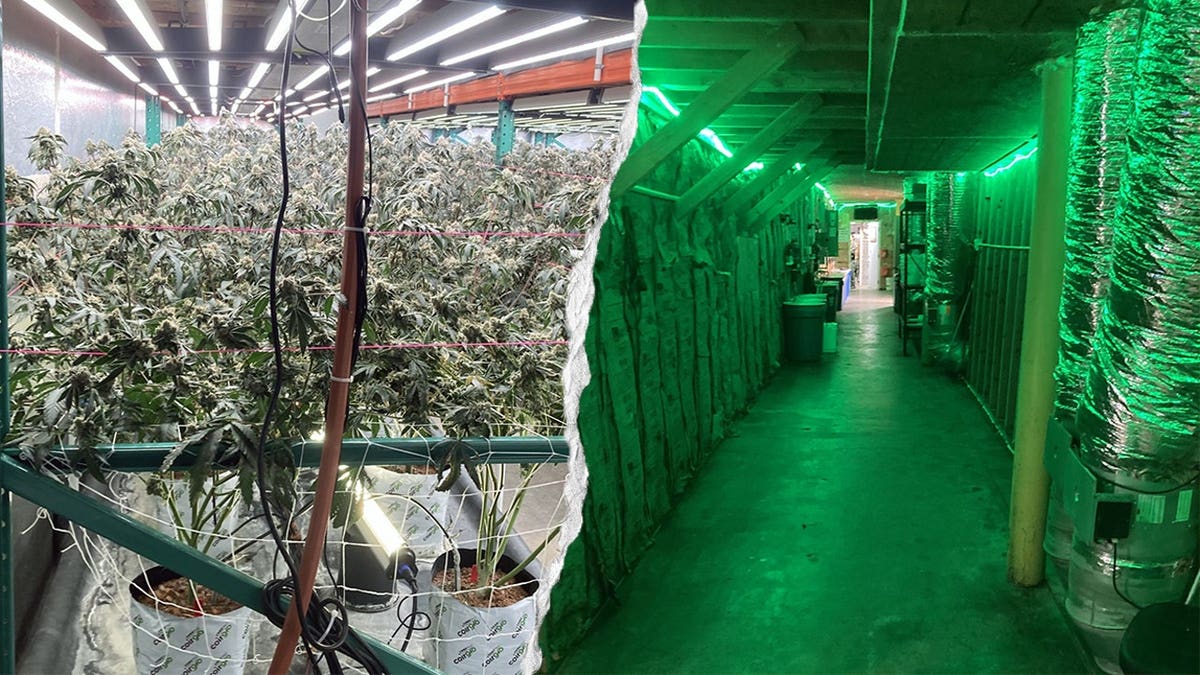
Rep. James Gallagher, a Republican from California, called on FBI Director Kash Patel to take action against illegal marijuana cultivation in Northern California. Gallagher’s request follows reports from the Siskiyou County Sheriff’s Office about extensive illicit farming and immigrant labor in the area.
The congressman highlighted the negative impacts these operations have on local communities. They harm ranchers, deplete groundwater, and may involve funding from Chinese crime groups. He described properties covered in makeshift greenhouses, known as ‘hoop houses,’ where groundwater is used illegally.
Impacts on Local Resources
Gallagher’s letter noted the harm to residents’ water supplies and the risks posed to farmers. The report mentioned competition for groundwater and contamination threats to agricultural land. Estimates suggest as many as 7,000 illegal growers are operating in the Mount Shasta Vista subdivision alone. The illegal activities have also spread to federal lands like the Shasta-Trinity National Forest.
The Siskiyou County Sheriff’s Office reported the eradication of 332,871 illegal marijuana plants and seizure of 54,070 pounds of processed marijuana in 2025.
Concerns About Organized Crime
Gallagher raised the possibility of Chinese crime networks being involved. He mentioned that investigators have found involvement from people living outside Siskiyou County, often without apparent ownership. This situation raises doubts about who controls these operations.
A 2018 federal investigation in California linked illegal marijuana growing to Chinese funding. This investigation resulted in the seizure of over 100 properties in the Sacramento area by federal authorities.
Environmental and Safety Issues
The congressman also discussed environmental concerns. Illegal grow sites use toxic pesticides, some banned in the U.S., with foreign labels suggesting illegal importation. Siskiyou County investigators found at least 27 pesticide compounds at illegal sites, posing risks to residents, law enforcement, and first responders.
These findings highlight significant challenges and the need for increased enforcement efforts.