
BYU faced skepticism about its ability to adapt when name, image, and likeness (NIL) compensation changed the landscape of college football in 2021. However, since then, BYU has equaled Boise State with the ninth-most victories in the sport. The Cougars climbed to No. 7 in the AP poll after defeating Notre Dame and reached No. 2 after a strategic win against Utah, positioning themselves near the top of the rankings.
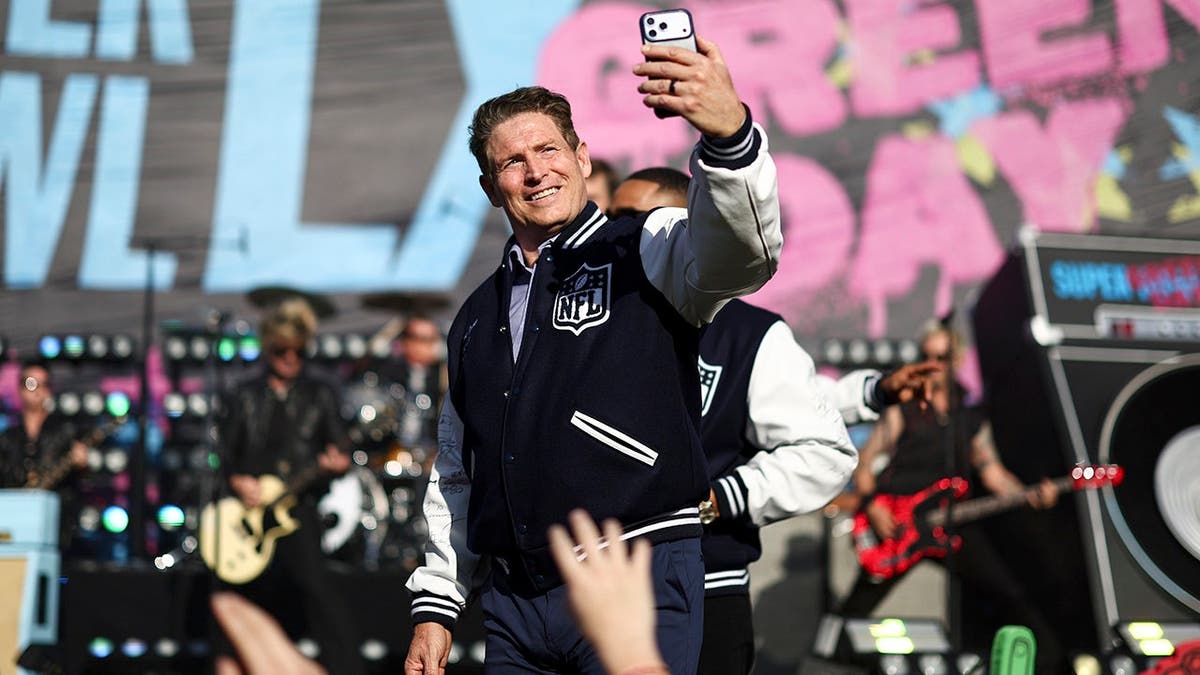
Steve Young, a legendary NFL player and BYU alumnus, expressed concerns about BYU’s adaption to the new NIL rules at first. But, as seen, BYU capitalized on NIL opportunities instead of being left out. BYU’s culture has played a central role in this adaptation.
Keith Vorkink, BYU Vice President of Advancement, noted that while there have been past rumors about player payments, adherence to NIL policies has allowed BYU to recruit effectively. The university stays true to its core mission even as it embraces the NIL space.
“Our work is to find a place in the NIL environment without compromising our primary mission.” Vorkink and football coach Kalani Sitake aim to attract student-athletes for the culture BYU offers.
Sitake has built a distinctive program that aligns with the university and church values. The goal is not to lead in NIL compensation but to attract students who appreciate BYU’s values and culture. Young commends Sitake for creating a holistic environment in an era where many athletes prioritize financial incentives.
Some star players, such as freshman Bruce Branch and quarterback Bear Bachmeier, chose to stay at BYU despite more lucrative offers elsewhere, highlighting the university’s cultural draw. Vorkink shared the story of AJ Dybantsa, the top pick in the 2026 NBA Draft, who embraced BYU despite initial unfamiliarity. Dybantsa found value in Coach Kevin Young’s NBA experience, even with better financial packages from other schools.
At BYU, all students sign an honor code that promotes abstinence from certain substances and premarital relations, creating a unique recruitment stance. Young views this honor code as a potential benefit, offering non-LDS players the chance to embrace a holistic environment. He attributes much of this successful cultural maintenance to Coach Sitake’s leadership, integrating old values with new NIL realities.
Young acknowledges the complexities and challenges of NIL, noting that money brings both opportunities and threats. However, he appreciates BYU’s steadfast approach, describing it as possessing a “law of love” that seeks a holistic embrace of students.
Both Young and Vorkink advocate for more stable regulations on NIL. They seek a balanced framework where student-athletes receive due compensation and educational value. Young stresses Congress’s role in managing this balance, ensuring athletes do not lose out.
“We have identified a winning formula under the new NIL conditions,” Young states. “BYU competes on its own terms, following what I call ‘the BYU way.'”