
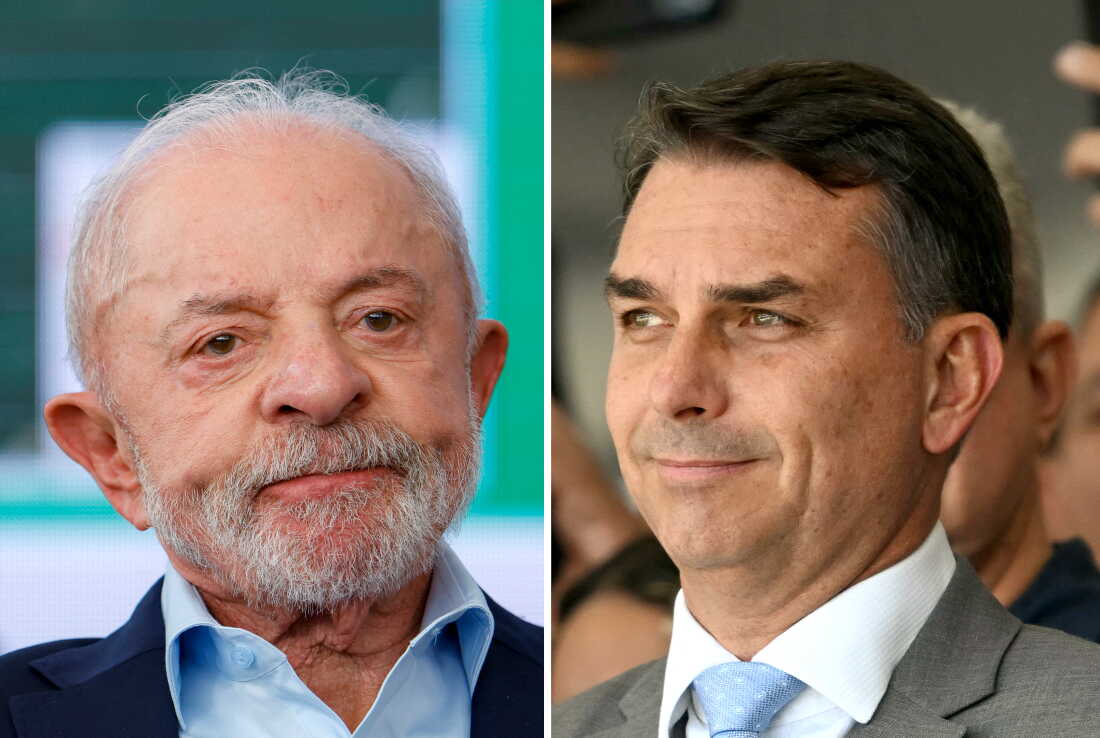
The presidential election in Brazil is advancing to a runoff between the current President, Luiz Inácio Lula da Silva, and Flávio Bolsonaro, a senator from the right-wing party. The inability of either candidate to secure over 50% of the valid votes in the first round led to this outcome.
In the initial round, Flávio Bolsonaro led with over 47% of the votes while Lula secured 44%. Flávio is the son of Jair Bolsonaro, a former president now serving a 27-year sentence under house arrest. Flávio aims to continue his father’s political path.
The election results indicated a rightward shift in Brazil, with Bolsonaro’s supporters performing well across the nation. Despite Lula’s supporters’ cheers in Rio de Janeiro, there is concern about the upcoming runoff.
Other candidates, who represent right-wing ideologies, finished third, fourth, and fifth in the race. This may provide additional voter support to Bolsonaro for the runoff, suggesting another tight contest on October 25.
Brazilians also elected governors and lawmakers, with right-wing politicians gaining notable ground in Congress, especially in the Senate. This could bolster Bolsonaro’s base if he wins the presidency.
Lula, 80, seeks his fourth term and has vowed to uphold social spending and counter the U.S. policies in Latin America. Bolsonaro, 45, plans to cut deficits and align Brazil’s foreign policy with the U.S.
Lula must now rebuild the coalition that backed him in 2022, especially among younger voters. Campaign rallies have been smaller, likely due to voters’ familiarity with both candidates.
“I think the campaign feels more muted because people are tired of fighting,” said Raysa Tavares, a nutritionist from Rio de Janeiro.
Some, like businessman Caio Farias, voted strategically for Bolsonaro to avoid a runoff. The 2022 election’s second round saw increased political violence, and a similar situation may unfold now with Donald Trump in the White House.
Lula accuses the U.S. of interfering in the election, which the U.S. denies. His campaign emphasized protecting Brazil from foreign influence, while Bolsonaro rallies exhibited U.S. symbols. Voters displayed mixed sentiments, wearing both Trump T-shirts and anti-Trump stickers.
The focus in the upcoming campaigns will involve Brazil-U.S. relations, along with domestic issues like security, corruption, and the economy. The choice faced by voters is between continuing under Lula or endorsing the rightward political shift.