
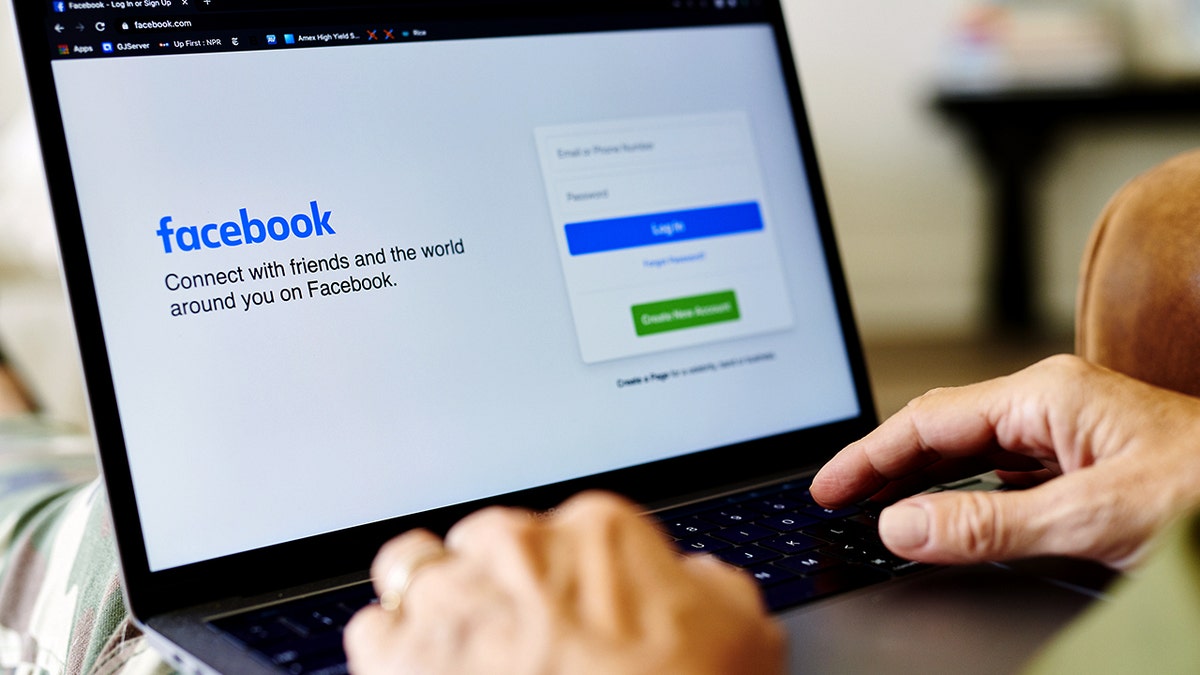
You’ve already lost money to a scam, and you’re wondering if it’s gone forever. While scrolling through Facebook, you see an ad promising to recover your stolen funds. It feels like a glimmer of hope, but it’s actually another trap set by scammers.
Spotting Fake Recovery Ads and Profiles
A vigilant CyberGuy follower, Patrick K, noticed suspicious fraud recovery ads on Facebook. His alert prompted us to investigate further. We contacted Meta about these accounts and ads. Meta confirmed they removed them for violating impersonation policies.
A fraudulent ad might use convincing imagery and copy, offering what appears to be specialized assistance.
Status Updates on Meta’s Response
Meta removed the flagged accounts and advertisements. They shared that they have removed more than 179 million accounts and other entities misrepresenting identity in early 2026. They also blocked fraudulent websites impersonating government entities like the FBI’s IC3 center.
Understanding Scammers’ Tactics
Fake profiles may suggest a connection to federal agencies. They exploit desperate situations by dangling the hope of recovering lost money. The FBI says the IC3 does not engage on social media. Any such claims should raise your suspicion.
Common Warning Signs
- Guaranteed recovery promises
- Upfront recovery fees
- Claims of government involvement
- Switching communication to other apps
- Requests for financial information
Steps to Protect Yourself
Examine recovery company claims. Look for signs of fraud. Implement the following strategies:
- Independently verify claims
- Never pay upfront fees
- Avoid sharing banking details with unverified contacts
- Research recovery companies independently
- Utilize antivirus software for additional protection
If You’ve Been Targeted
If you have already interacted with a scammer, take immediate action. Cease contact and gather evidence.
Actions to Take
- Stop communication with the scammer
- Contact your bank or payment provider for assistance
- Report any cryptocurrency transactions
- File a fraud complaint with the appropriate authorities
- Scan devices for malware
- Secure your accounts by changing passwords
- Seek legitimate recovery options via official channels
Preventative Measures
Consider investing in identity theft protection. Report suspicious ads using Facebook’s reporting tools. Remember, legitimate recovery may require contacting financial institutions directly.
For further insights on avoiding scams or tech assistance, visit CyberGuy.com. Stay informed by signing up for the FREE CyberGuy Newsletter to receive safety alerts and tips.