
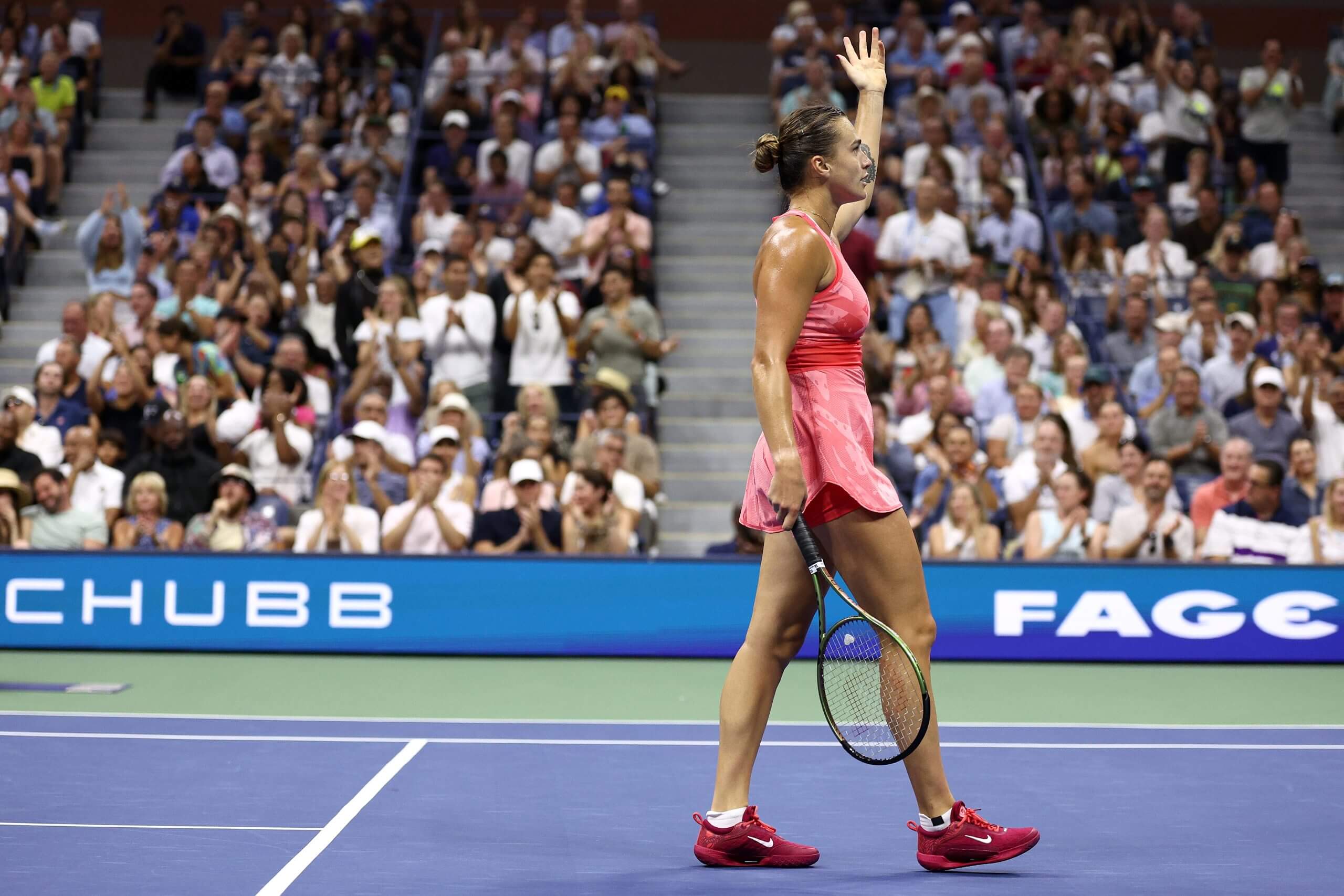
Aryna Sabalenka first visited New York City in her teenage years. On her initial morning in the city, she woke early, feeling the effects of jet lag. Expecting a peaceful walk, she ventured out to Central Park just after 6 a.m.
To her surprise, she encountered vibrant activity. “Everyone is running,” she recalled. This bustling energy contrasted sharply with her hometown, Minsk, where the pace is much slower.
Years later, Sabalenka has embraced the lively energy of New York City. Now the world No. 1 and a two-time U.S. Open champion, she thrives on what might deter others.
Adapting to the U.S. Open’s Unique Challenges
Sabalenka’s ability to leverage New York’s chaos sets her apart. Her coach, Anton Dubrov, recognizes her strength in turning the city’s energy into motivation rather than letting it drain her.
Sabalenka relishes the traffic and commotion. The journey from Manhattan to the tournament, troublesome for many, has become a moment of tranquility for her, similar to Roger Federer’s perspective.
This mindset likely contributes to her frequent appearances in the U.S. Open finals. Her adaptability and understanding of her environment have become assets.
The Diversity of Grand Slams
Each Grand Slam has its distinct difficulties. The Australian Open involves long travel times. The French Open features challenging clay courts. Wimbledon is synonymous with tradition and demands.
Conversely, the U.S. Open often means navigating chaos. Despite this, Sabalenka thrives in New York, although she faces tough competition like Elena Rybakina in her quest for a third consecutive title.
Players exhibit varied reactions to the U.S. Open. Iga Świątek shows visible stress, while Novak Djokovic seeks calm elsewhere. Even Sabalenka’s friend, Paula Badosa, finds distractions in New York during work.
Sabalenka’s Approach to Success
For Sabalenka, success involves balancing chaos with personal tricks. She strategically chooses her hotel room, prioritizing peace, and has favored dining spots that keep her nourished.
Sabalenka’s recent performances reflect a need for her New York rhythm. Despite setbacks during this year’s clay season and losses in other major tournaments, she aims to prevail in New York again.
Embracing the New York Experience
Sabalenka has embraced the city’s intricacies. Her comfort with the environment stems from understanding it, which took years to develop.
Becoming world No. 1 elevated her profile, and the New York crowd, known for their fondness for stars, began to appreciate her character beyond tennis.
Her coach, Jason Stacy, harnessed this understanding. Reminding Sabalenka of her choice to be in New York led her to find its chaotic nature advantageous.
Routine Adjustments for Peak Performance
Sabalenka and her team continuously adjust strategies, ensuring she remains physically and mentally prepared. Hotel routines, practice flexibility, and dietary decisions support her performance.
Post-match routines include cooling down, muscle recovery via exercises, and massages. Often, she prioritizes sleep post-match or practice.
Her physiotherapist, Helen Murawska, plays a vital role during long days. Sabalenka’s ability to sleep quickly supports her recovery.
Sabalenka’s team acknowledges that routine doesn’t guarantee victory. With experience, she accepts potential defeats gracefully, embodying a confident, self-aware athlete.