
Armenia’s parliamentary election on June 7 is a pivotal moment, reflecting a significant shift in the country’s geopolitical strategy. The nation is moving from reliance on Moscow to establishing closer ties with Europe and the United States. This transition signifies a collective decision beyond individual leadership.
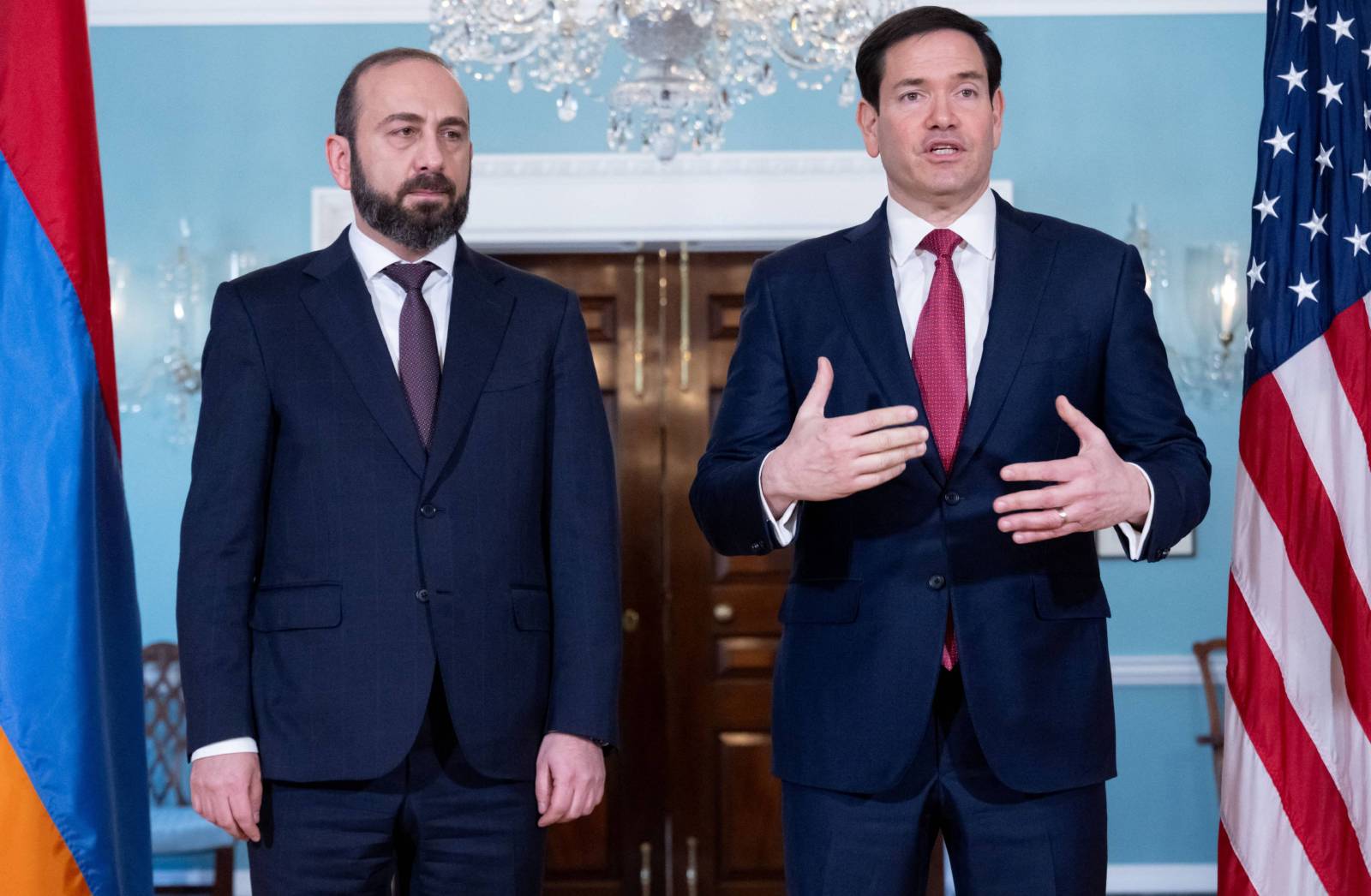
The strategy is yielding results. A recent European Union summit in Armenia highlighted its growing relevance as a democratic and logistical hub in the South Caucasus. U.S. Secretary of State Marco Rubio’s visit to Yerevan led to a strategic partnership agreement with Armenia, including deals on critical minerals and a proposed transit corridor through southern Armenia, connecting Azerbaijan to Turkey.
The South Caucasus is gaining importance in Western strategic planning. Europe and the United States pursue new trade, energy, and logistical routes that avoid Russia and Iran. Armenia is cultivating diverse partnerships, hosting Western leaders, and decreasing its dependency on Russia. This represents a newfound confidence for a nation once seen as isolated.
However, this transformation comes at significant cost. Armenia’s geopolitical repositioning has effectively led to the loss of Nagorno-Karabakh, known as Artsakh, an area with profound historical significance for Armenians. Following Azerbaijan’s military assault in September 2023, and after enduring a blockade for nine months, the enclave completely collapsed. Over 120,000 ethnic Armenians fled to Armenia, fearing reprisals from Azerbaijani authorities. A historic Armenian community vanished overnight.
For many Armenians, the trauma remains. International focus shifted rapidly to other global conflicts, leaving unresolved issues in Nagorno-Karabakh. Diplomatic efforts in the region turned toward infrastructure agreements, sidelining refugee concerns. Refugees in Armenia share stories of abandoned homes and uprooted identities without prospects for return, justice, or compensation.
An ongoing concern is the imprisonment of former Artsakh officials by Azerbaijan, including Ruben Vardanyan, sentenced to 20 years in prison. Azerbaijan sees them as criminals, while Armenians consider them political prisoners, underscoring the imbalance in reconciliation processes.
A perception is growing among Armenians that reconciliation is one-sided, with Armenia making concessions and Azerbaijan securing advantages. This perception could impede normalization efforts. Armenians question why international attention neglects the prisoner issue while Azerbaijan seeks broader legitimacy and economic partnerships with the West.
The geopolitical landscape in the South Caucasus is shifting significantly. Azerbaijan desires stability, investment, and recognition as a key transit and energy hub, while Armenia prioritizes security and Western support amidst Russian pressures. The region is on the verge of reordering based on connectivity rather than conflict.
Western nations have praised Armenia’s democratic progress and encourage reconciliation. They should insist that Azerbaijan addresses the prisoner issue within wider agreements. Releasing political detainees should be a core demand in negotiations, enhancing reconciliation and demonstrating that partnerships are not merely transactional.
Addressing the prisoners’ fate would affirm that diplomacy can uphold human dignity and national interests post-conflict. It would combat perceptions that Armenia bears the burden alone while others gain without accountability. Historical evidence shows that lasting peace depends on more than infrastructure and investments. True peace requires justice and moral legitimacy.
The current reality stands as a clear test. The principles of justice and accountability must guide the new regional order to ensure lasting peace in the South Caucasus.
Grigor Hovhannissian is Armenia’s former ambassador to the United States and Mexico and Armenia’s former deputy foreign minister. The views expressed in this article are his own.