
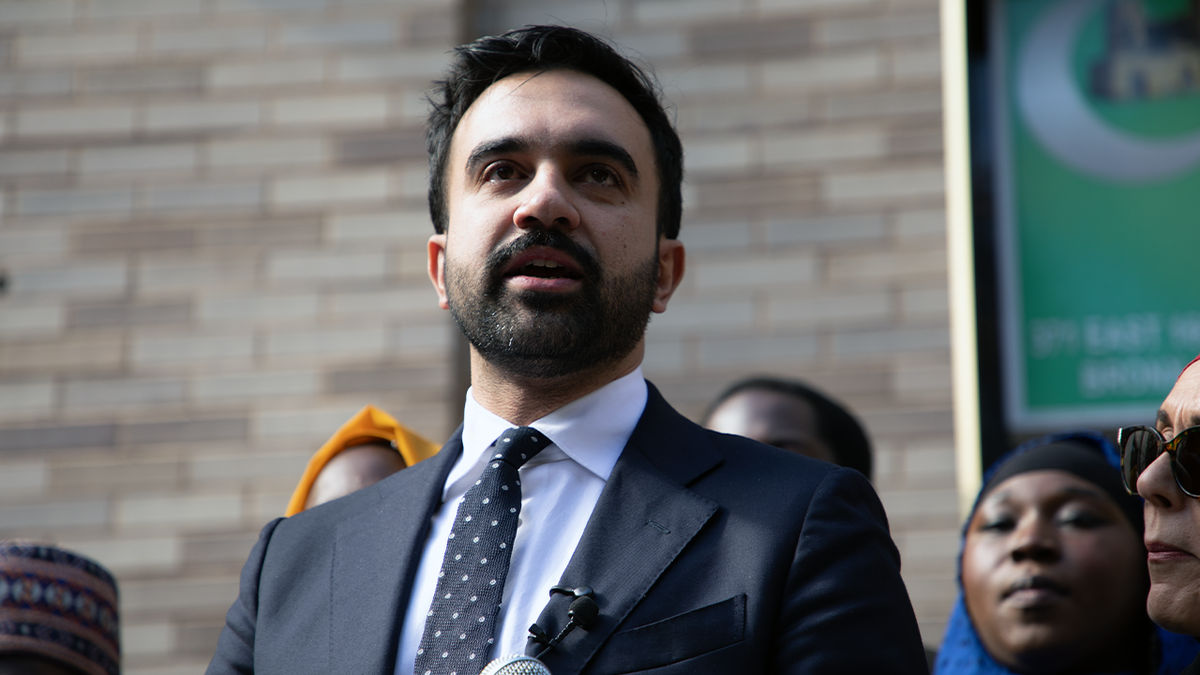
Recent stabbings in New York City have heightened concerns about antisemitism. Jessica Tarlov and Lizzy Savetsky discussed this issue with Bill Hemmer and Shannon Bream following two stabbings near Central Park. Rabbi Ari Berman, President of Yeshiva University, criticized Mayor Zohran Mamdani for focusing excessively on Israel, suggesting it betrays New Yorkers. Savetsky connected Mamdani’s rhetoric against Israel to rising hate incidents.
On Tisha B’Av, a significant day in the Jewish calendar, an assailant attacked two men on Manhattan’s Upper West Side. One of the victims wore a yarmulke. The attacker reportedly shouted, “Allahu Akbar”. Both victims, aged 50 and 57, survived the incident. Police arrested a suspect and are investigating the motive. The situation exposes the city’s vulnerability to antisemitic violence.
Prior to the stabbings, Mayor Mamdani released a controversial video accusing Israel of war crimes and calling for the arrest of Prime Minister Benjamin Netanyahu. Mamdani acknowledged he lacks the authority to arrest foreign leaders. His statements, amplified on social media and in the press, were seen as inflammatory. Jewish organizations had warned that the climate in New York was becoming hazardous, their warnings realized as the crime unfolded.
The Institute for the Study of Global Antisemitism & Policy (ISGAP) has scrutinized Mamdani’s views, tracing them back to his college years at Bowdoin College, where he co-founded a chapter of Students for Justice in Palestine. During the aftermath of an incident on October 7, Mamdani downplayed Israeli defensive actions, labeling them as genocide.
Mamdani has been associated with controversial figures and organizations, including receiving donations from groups linked to terrorism financing. He has failed to condemn the slogan “globalize the intifada” and introduced legislation targeting charitable institutions supporting Israel. His actions and rhetoric align with a pattern often attributed to the Muslim Brotherhood.
ISGAP research highlights the Brotherhood’s long-term strategy to exploit Western democracies. Groups like Students for Justice in Palestine fit within this framework, aligning with ideologies seeking to undermine Israel and Western principles.
Mamdani’s economic populism has been likened to antisemitic tropes of a controlling elite. This rhetoric, according to critics, poses risks to Jewish communities and American democratic values.
As tensions rise, Mamdani calls for demonstrations during Netanyahu’s visit for the U.N. General Assembly. This move has been criticized by New York City Police Benevolent Association President Patrick Hendry, warning that such rhetoric could incite violence during the event.
The stabbings reflect a broader threat of antisemitic violence, underlined by Mamdani’s public declarations. The situation calls for clarity and rejection of hatred disguised as social justice.