
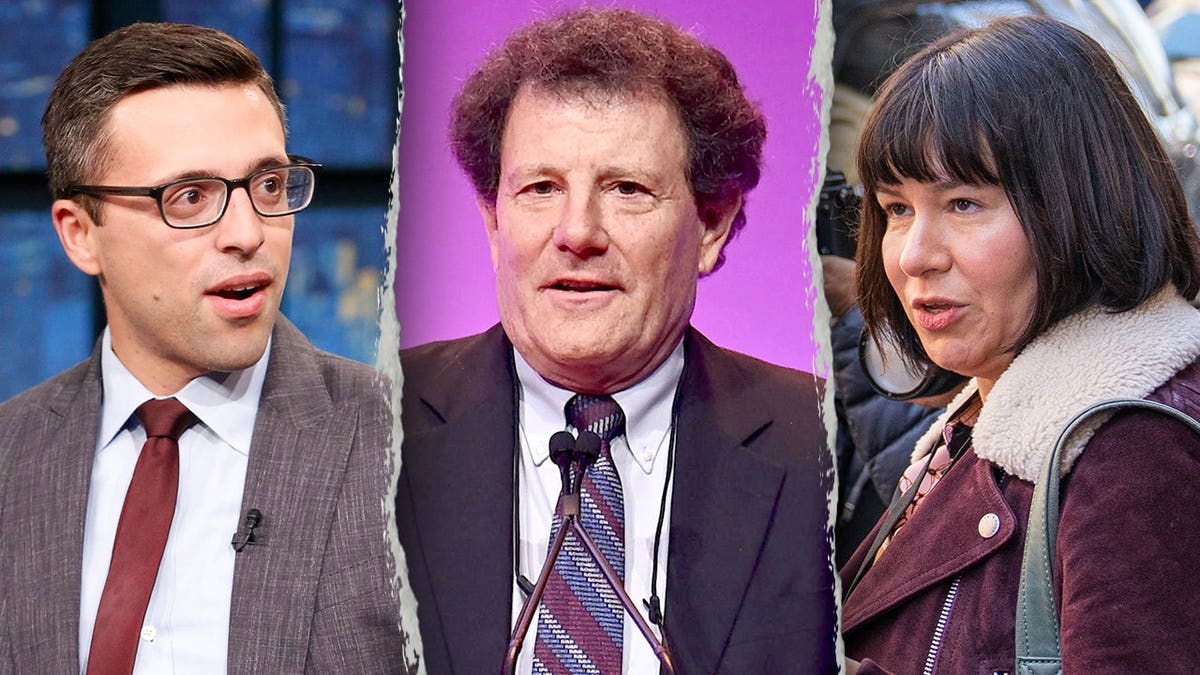
The New York Times’ opinion section lacks representation for a significant portion of the U.S. voting public, especially regarding conservative viewpoints. Following the resignation of Ross Douthat, who joined CBS News, The Times has 12 primary columnists. Their views predominantly lean liberal.
The current columnists include Jamelle Bouie, Maureen Dowd, David French, Thomas Friedman, M. Gessen, Michelle Goldberg, Ezra Klein, Nicholas Kristof, Carlos Lozada, Tressie McMillan Cottom, Lydia Polgreen, and Bret Stephens. Of these, only French and Stephens identify as conservatives, but they have both opposed former President Donald Trump and supported Kamala Harris in the upcoming 2024 election.
Bari Weiss, Douthat’s new boss at CBS News, was a former Times opinion editor. She left the Times in 2020 citing a toxic work environment, particularly regarding far-left pressure from within the company. This followed significant controversy after the Times published an op-ed by Senator Tom Cotton advocating the use of federal troops during civil unrest, leading to staff upheaval and resignations within the opinion department.
The political inclination of the remaining columnists has been observed in recent controversies and writings. Thomas Friedman expressed internal conflict over supporting the fall of the Iranian regime due to his dislike of Trump and Israeli Prime Minister Netanyahu. Nicholas Kristof drew attention for uncritically reporting false claims about Palestinian prisoners in Israeli jails.
Historically, The New York Times’ editorial board has consistently supported Democratic candidates for the presidency, with the last Republican endorsement dating back to Dwight D. Eisenhower. Despite 17 consecutive Democratic endorsements, including losing candidates like Kerry, Clinton, and Harris, the board’s stance remains aligned with liberal policies.
Two days after Trump’s 2024 election victory, The Times published a video featuring 10 of its columnists expressing fears about a Trump administration. This included predictions of authoritarian actions by Trump from day one.
In contrast, The Washington Post has undergone changes in its editorial stance, promoted by owner Jeff Bezos. He stopped the planned endorsement of Harris, advocating for viewpoints favoring personal freedoms and free markets, a move that faced criticism from liberal circles. Adam O’Neal, The Post’s opinion editor, noted the challenge of balancing a liberal readership with non-partisan content.
The Times’ reaction to Douthat’s departure remains unclear as it has not responded to inquiries.