
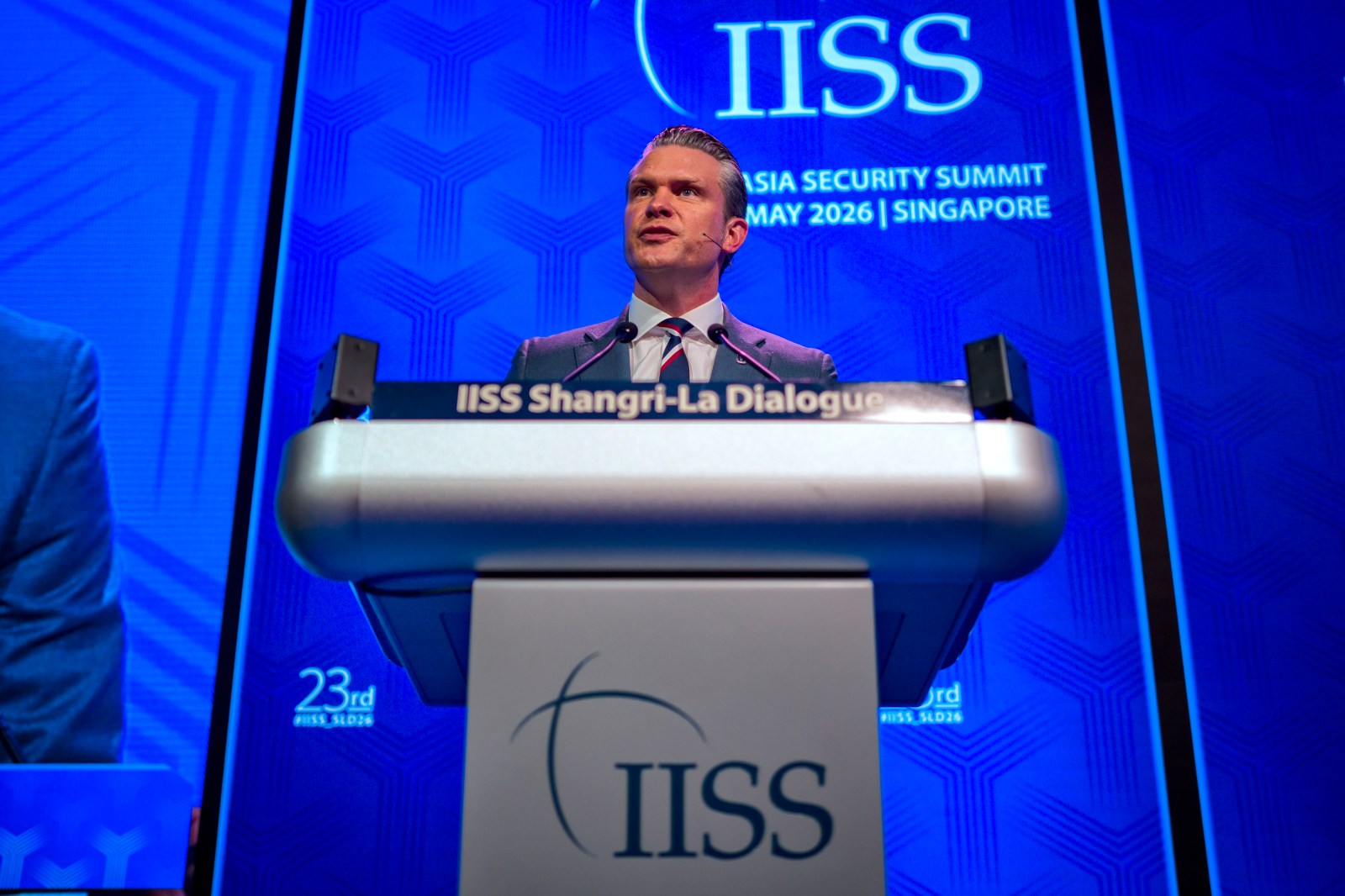
On May 30, U.S. Secretary of Defense Pete Hegseth spoke at the Shangri-La Dialogue, a key national security conference in East Asia. His speech included references to defending the “First Island Chain,” yet he neglected to directly mention Taiwan, a central issue in the Indo-Pacific region.
Hegseth’s comments to reporters afterward, acknowledging China’s ambitions, failed to favorably impact the region or the free world. Such ambitions involve the annexation of territories and restricting international access to waters and airspaces.
These sentiments by Hegseth aligned with President Donald Trump’s prior remarks about Taiwan. During interviews with Bret Baier of Fox News and aboard Air Force One post-summit with China’s President Xi Jinping in Beijing, Trump labeled Taiwan a “very good negotiating chip,” undermining U.S. credibility and regional stability.
China’s response was swift; they conducted two “joint combat readiness patrols” near Taiwan and escalated activities around Scarborough Shoal. The shoal, claimed by China despite lacking legitimate claims, remains central to China’s forceful tactics against the Philippines.
There’s an escalating concern over Chinese aggression among its neighbors, as American leaders struggle to voice a definitive stance on China. Following Hegseth’s address, Japanese Defense Minister Shinjiro Koizumi openly questioned Hegseth about the U.S. commitment to the region’s security.
According to Lance Gatling of Tokyo-based Nexial Research, Koizumi’s question demonstrated a modern, socially aware approach from Japan’s younger national security leaders. Gatling viewed this as an indication of Japan’s readiness to engage regional security partners.
Japan emerges as a beacon of cooperation in the region. The Japan-U.S.-Australia collaboration on weapons production, alongside partnerships like AUKUS and the Quad further strengthens regional ties. New informal groups like JAROKUS and JAROPUS exemplify these efforts, bridging Japan, the Republic of Korea, Philippines, and the U.S.
The Pentagon continues forging new alliances, notably with Indonesia through the Major Defense Cooperation Partnership agreement signed in April. This agreement aims to bolster bilateral defense cooperation and safeguard strategic maritime routes like the Strait of Malacca against Chinese ambitions.
James Fanell of the Geneva Centre for Security Policy emphasizes that the U.S-Indonesia pact is crucial for ensuring free maritime traffic flow. He notes Indonesia favors the U.S as it doesn’t harbor territorial claims against Indonesian waters.
While Taiwan remains outside formal regional alliances, its security remains significant to other countries. Japanese Prime Minister Sanae Takaichi highlighted this on November 7, referencing Japan’s 2015 security law, amid rising concerns over Chinese aggression.
China reacted aggressively, threatening Japan’s leader, yet Takaichi maintained her stance, earning her coalition a historic victory in February. Her success suggests smaller nations can resist China’s assertive stance.
Though Koizumi received reassurances from Hegseth in Singapore, allies continue to await President Trump’s definitive comments to solidify regional confidence.
Gordon G. Chang is an author known for works like Plan Red: China’s Project to Destroy America and The Coming Collapse of China. Follow him on X @GordonGChang. The opinions shared are his own.