
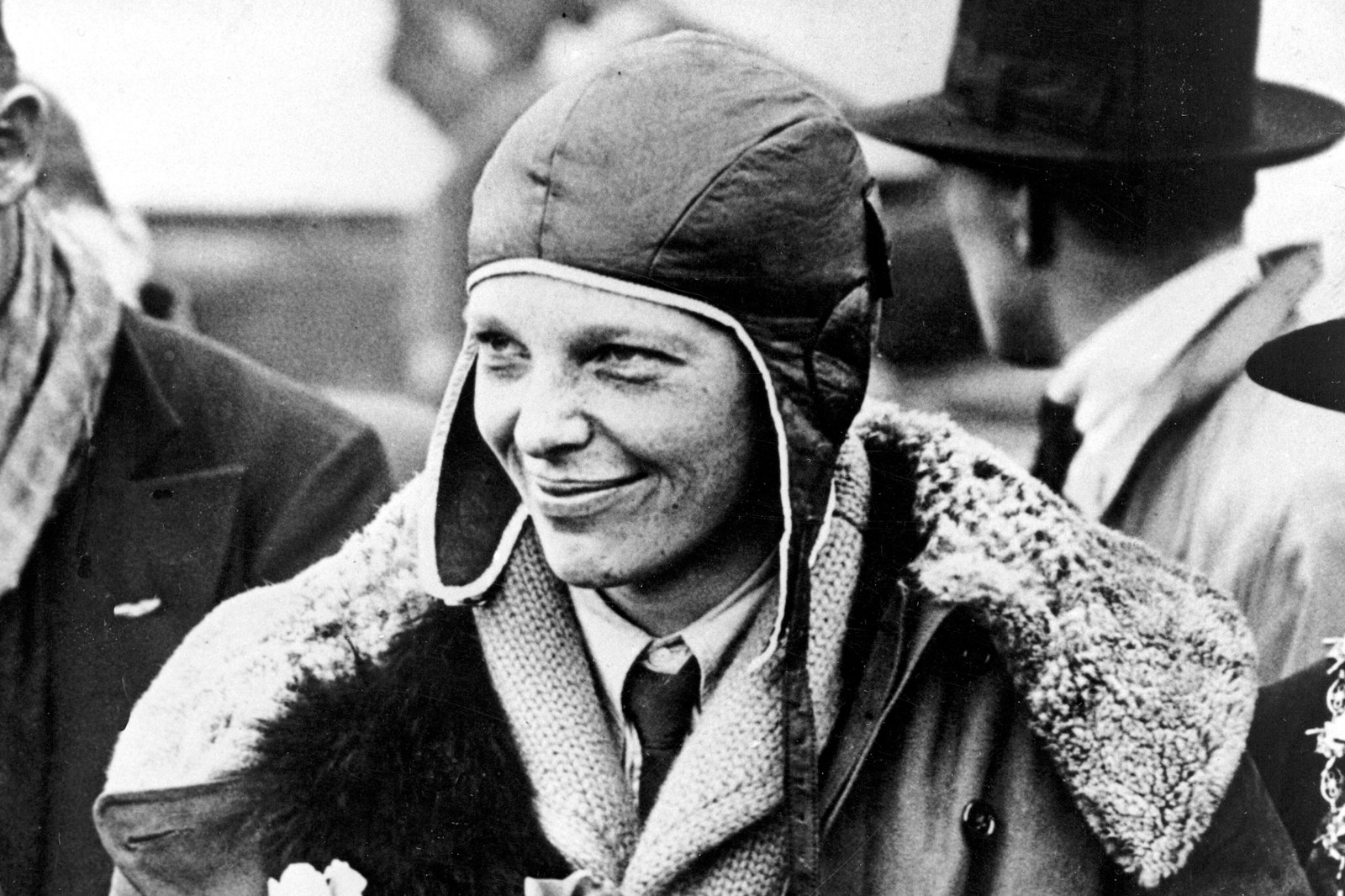
Amelia Earhart’s Disappearance
Amelia Earhart vanished nearly 90 years ago during a journey to become the first woman to fly around the world along the equator. Beginning in Oakland in May 1937, she and navigator Fred Noonan flew across numerous continents. By July, they were headed for Howland Island after reaching New Guinea, but failed to arrive. Radio issues and a lack of fuel were reported, yet no confirmed crash site was found, leading to speculation about an emergency landing elsewhere.
Expedition to Nikumaroro Island
A 17-member expedition supported by Purdue University has arrived at Nikumaroro, part of the Republic of Kiribati, to investigate the “Taraia Object”. This submerged object, visible in satellite imagery, may be part of Earhart’s Lockheed Electra 10E. The team will use sonar and magnetometers to explore the site and assess whether it is indeed a part of the missing aircraft.
The Case for Nikumaroro
The Nikumaroro theory suggests Earhart and Noonan landed here after missing Howland Island, located about 400 miles northwest. The atoll has intrigued researchers for years, bolstered by reports of bones found in 1940 and other artifacts. However, these findings have not been definitively linked to Earhart or Noonan.
Logistics and Challenges
This expedition faces logistical challenges due to the island’s remote location. A lagoon and coral reefs surround the atoll, complicating research efforts. The team must clear paths to the lagoon and establish work areas. They are also contending with large coconut crabs, though these do not pose a direct threat to the operation.
Research Efforts
Efforts will focus on the identified underwater target, with researchers planning to analyze sediment that may cover the object. Metal detection methods will search for aircraft parts, and a water-induction dredge will assist in sediment removal to enable visual inspection. If the object is linked to Earhart’s plane, further actions could include recovering parts for analysis.
Nikumaroro Island’s Significance
Nikumaroro holds potential clues to the fate of Earhart and Noonan. Although human remains discovered decades ago were lost, historical measurements have sparked ongoing debate about their identification. Large coconut crabs, known for scavenging, inhabit the island but have not been directly linked to the disappearance.
Earhart’s Final Record
Earhart’s last known radio calls indicate she may have been near Howland Island, but poor communication thwarted search and rescue efforts. Her reported coordinates did not specify location, leading rescuers to search a vast ocean area, ultimately to no avail. This latest expedition might provide new insights, particularly if the object at Nikumaroro is identified as the Electra’s wreckage.
Impact of Findings
The results of this investigation could offer long-awaited answers about Earhart’s final flight. Though not a recovery mission, if confirmed to be part of her plane, there could be future efforts to bring remains back for study. Purdue University, keen on linking Earhart’s history with new findings, supports the endeavor.