
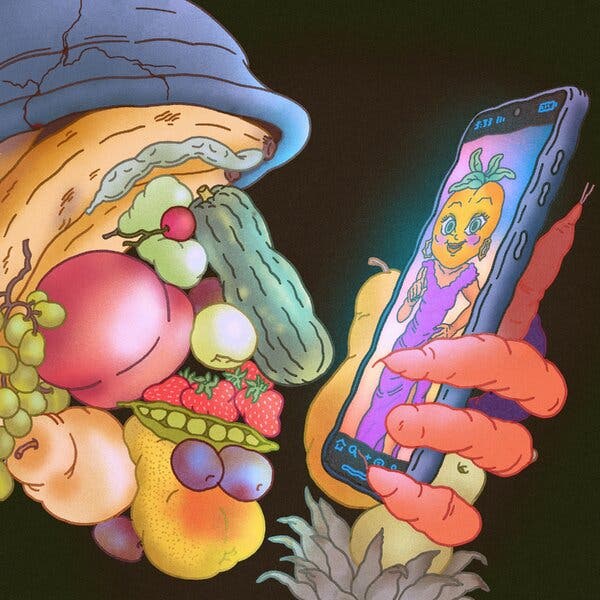
In March, a TikTok account named ai.cinema021 released 20-plus episodes of an AI-generated ‘dating’ show titled ‘Fruit Love Island.’ This show included humanoid fruit characters with exaggerated sexual features. Their conversations sounded cliched yet oddly different, as if mimicking human dialogue from other TV shows.
Bananito: I’m here to have fun and probably break a few hearts.
Orangelo: [Laughs.] Bro said the quiet part out loud.
The series had numerous continuity errors, with changes in outfits and locations between scenes. Many episodes featured them performing unnecessary backflips. For frequent AI-generated content consumers, known as slop, this might seem unremarkable. But ‘Fruit Love Island’ became a viral sensation. Each installment hit over 10 million views, sparking a trend of similar content like ‘Fruit Paternity Court’ and dramas about pregnant broccoli.
This popularity raises two possibilities: viewers loved and shared it or found it terrible and shared it anyway. Either way, algorithms caught the interest and distributed it globally.
Many critics view these videos as a new low for internet culture. They argue that ‘Fruit Love Island’ degraded the already criticized ‘Love Island.’ As BBC News warned, ‘Think ‘Love Island’ Is Bad? Wait Until You See the AI Fruit Version.’ The show distilled reality TV’s superficiality for those with even shorter attention spans, making it ideal for social media sharing.
On the positive side, AI-generated slop might provide a shared cultural baseline in social media. Despite public disdain, AI content stands out, compelling collective scrutiny. This shared reaction could restore a monoculture, offering a unified cultural experience that the internet’s diversity seemed to diminish.
Monoculture once ensured that TV, movies, and music were widely consumed, providing common cultural references. Back when shows like ‘Family Matters’ aired, people could discuss characters like Steve Urkel because many watched at the same time. Although today’s entertainment landscape is more personalized, some miss the shared experiences of the past.
The peak of monoculture coincided with the dominance of network television from the 1950s through the 1990s, when a few channels captured tens of millions of viewers nightly. This commonality created shared cultural moments, though commercially driven content often lacked artistic value.